

The Belgian Ministry of Defense plans to transfer all of the promised F-16 fighter jets to Ukraine by the end of 2029.
This was reported by Le Soir, citing information published in the newspaper Le Vif.
The majority of the aircraft are scheduled to be delivered during the final year of the current legislative term. Overall, the transfer of the aircraft will be carried out in conjunction with the delivery of new F-35A fighter jets from Lockheed Martin to the country.
According to the updated plan, confirmed by Minister Theo Francken’s office, the F-16 delivery schedule calls for the transfer of 7 aircraft to Ukraine in 2026. Four of them have already been decommissioned and are being used to train Ukrainian technicians. The plan further calls for the delivery of 5 aircraft in 2027, 14 in 2028, and 27 in 2029.
However, despite this, the delivery dates and quantities are subject to change, as they must also take into account the operational requirements of the Belgian Air Force and Belgium’s obligations as a NATO member.
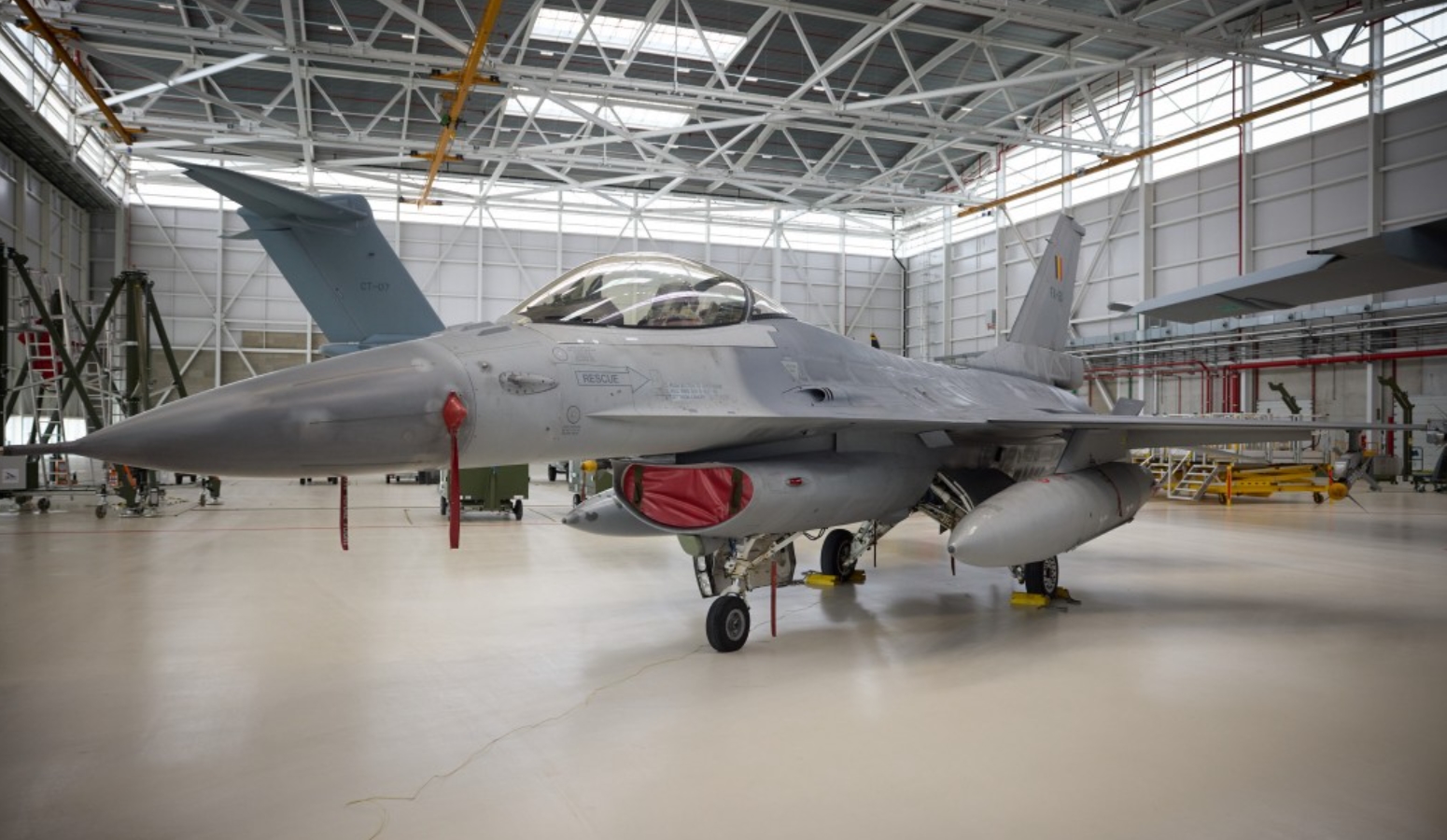
In March 2024, Belgium sent two two-seat F-16BM combat trainer aircraft to Denmark for the training of Ukrainian pilots.
Back in 2023, the Belgian Ministry of Defense confirmed its intention to transfer the first F-16 fighter jets to Ukraine in 2025.
Instructors from the Belgian Air Force are also training Ukrainian pilots at a training center at the Romanian airbase in Fetesti.
Despite efforts to transfer the equipment as quickly as possible, the country has faced delays due to the slow pace of production and delivery of Lockheed Martin’s F-35A fighter jets.
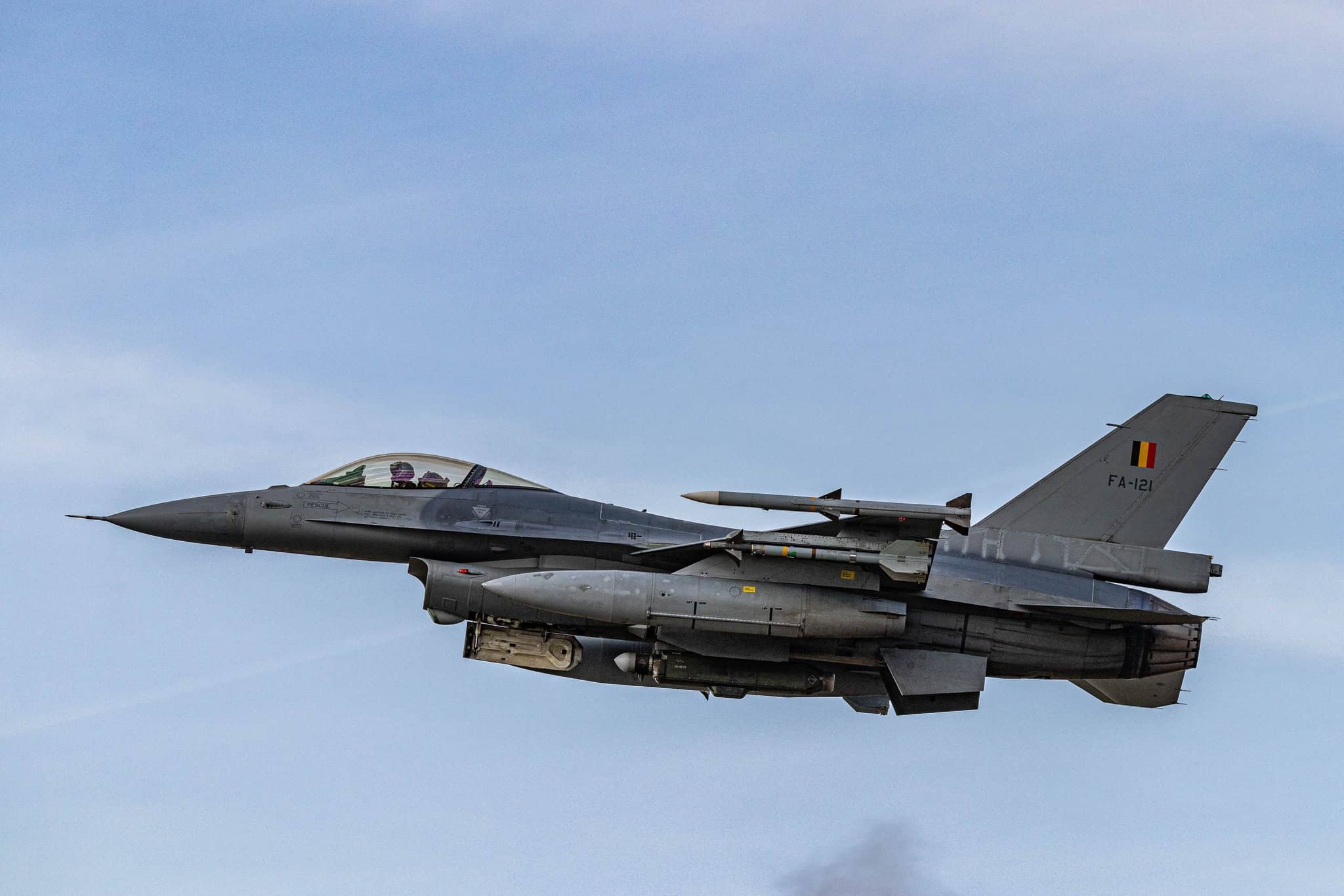
In February 2025, it became known that Belgium would not be able to begin transferring its own F-16s in 2025 precisely because of the postponement of the delivery dates for the new aircraft.
Although the parties signed the contract for the delivery of the F-35 back in 2018, and the first aircraft were expected in 2023, the Belgian Air Force has so far received only four fighters. They arrived at Florennes Air Base in October 2025.
In February 2026, it was reported that Belgium was considering the purchase of 11 additional Lockheed Martin F-35A Lightning II fighter jets in addition to the 34 units already ordered. Brussels’ main requirement is that the final assembly and testing of the new aircraft be carried out at the Italian FACO plant in Cameri. However, the Italian company assembles aircraft at a significantly slower pace. This could delay the delivery of new fighter jets to Belgium and, as a result, postpone the transfer of the older F-16s to Ukraine.
Earlier, Militarnyi reported that in February 2026, the US Department of Defense signed a contract for the maintenance of the F-16 fighter jets transferred to Ukraine.
The contract, worth $235,449,716, was awarded to the Belgian company Sabena Aerospace Engineering. The agreement provides for medium- and line-maintenance services for the aircraft and engines, as well as support in logistics management.
F-16s in the Belgian Air Force
Belgium received F-16 Fighting Falcon fighter jets in the late 1970s as part of a joint European NATO procurement program. The country took delivery of the first aircraft in 1979, after which it began forming combat squadrons. Official service began in 1980.
The country not only purchased the aircraft but also localized their production. A significant portion of the aircraft was assembled under license from General Dynamics by the Belgian company SABCA. This allowed the country to expand its own industrial base in the aviation sector.
In total, Belgium ordered approximately 160 F-16s in various configurations. Deliveries took place in several batches throughout the 1980s, ensuring a steady modernization of the Air Force fleet. Some of the aircraft were delivered immediately in the then-current Block 15 versions.
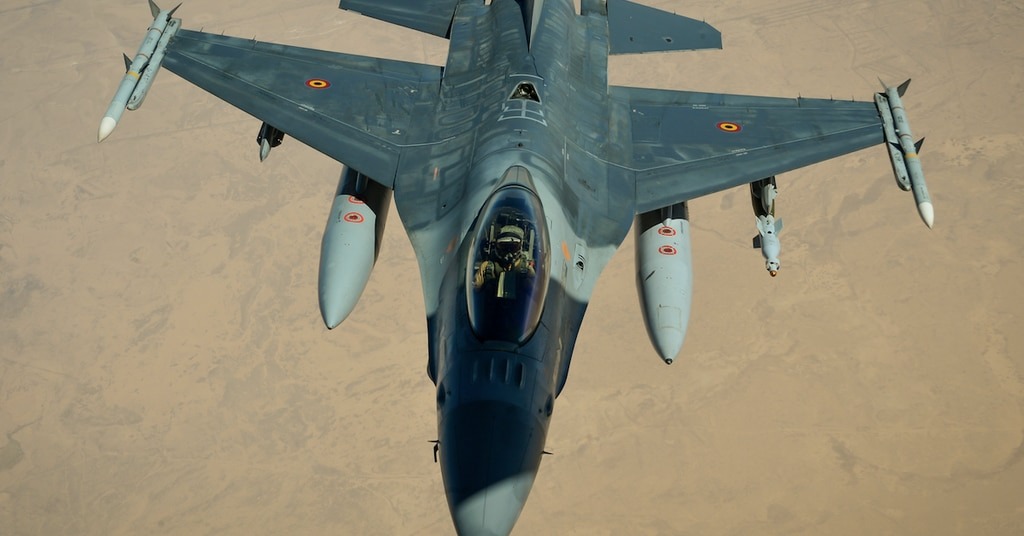
In the 1990s, Belgium modernized its existing F-16s to extend their service life. The modernization programs covered avionics, weapon systems, and ground-attack capabilities. This allowed the fleet to maintain its combat readiness without large-scale new purchases.
Today, Belgium continues to improve its fighter jets. Recently, the Belgian Air Force tested the capability of intercepting drones using inexpensive 70-mm FZ275 LGR (Laser Guided Rocket) missiles from F-16 aircraft.
The tests focused primarily on the fighters’ ability to detect, track, and engage medium-sized drones. The use of such missiles significantly reduces the cost of destroying aerial targets compared to traditional air-to-air missiles.


