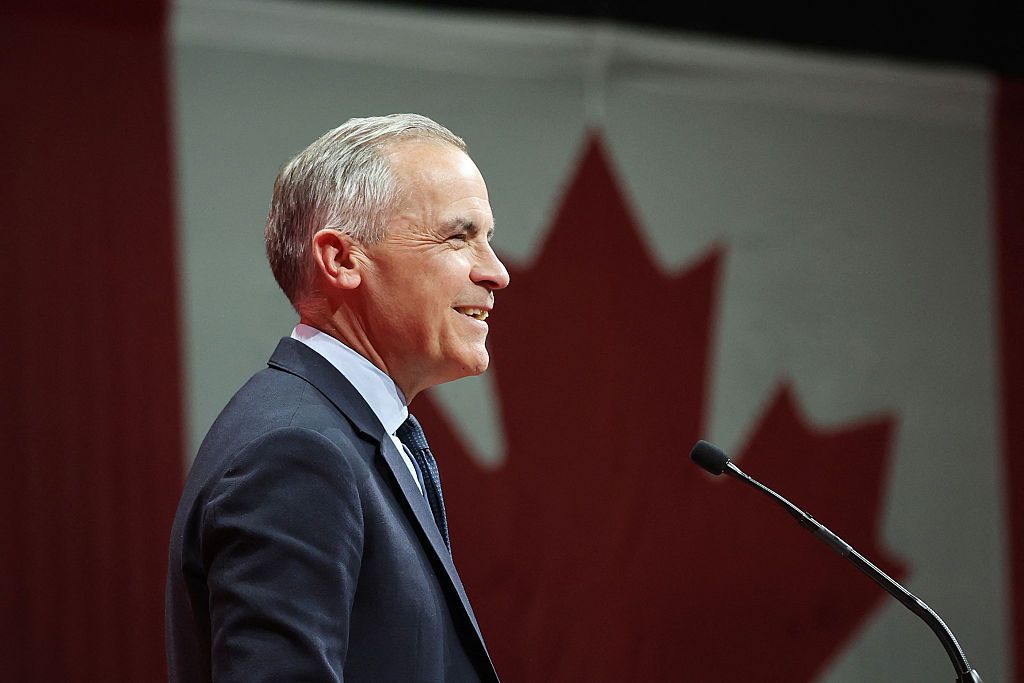
Canada will reach NATO’s defense spending target of 2% of GDP this year, five years ahead of schedule, Prime Minister Mark Carney announced on June 9.
Speaking at the University of Toronto, Carney said the move is part of a strategic pivot away from reliance on the U.S. and toward deeper cooperation with the European Union, citing growing security threats from Russia, China, and other adversaries.
Carney said Canada’s current military capabilities are inadequate, noting that only one of four submarines is operational and much of the maritime and land fleet is outdated. To reverse this trend, his government is launching a $9.3 billion boost to the defense budget for 2025-26. The investment will be tabled in Parliament through supplementary estimates and directed toward rebuilding the Canadian Armed Forces, upgrading equipment, and expanding domestic production capabilities.
The new defense posture includes reassessing major procurement decisions, such as the planned purchase of U.S.-made F-35 jets, and prioritizing partnerships with European firms for equipment acquisitions. Carney emphasized that three-quarters of Canada’s defense capital spending has gone to the U.S., a pattern he said must end. “We’re doing this for us,” Carney said. “And we’re doing it as a strong NATO partner, standing shoulder to shoulder with our allies.”
Carney’s announcement comes just ahead of the NATO leaders’ summit, where member states are expected to commit to higher defense spending thresholds of up to 5%. The prime minister said Canada would support a new NATO defense industrial pledge and participate in the EU’s ReArm Europe initiative. He added that future cooperation with the EU will be a major theme of the upcoming Canada-EU summit.
Opposition leader Pierre Poilievre welcomed the increased defense funding but called for transparency on how it would be financed. He reiterated the need to reduce government waste and bureaucracy to avoid an inflationary burden. While supportive of reaching the 2% NATO goal, he stressed that actual military capabilities—not just spending figures—should be the central focus.
 The Kyiv Independent news desk