
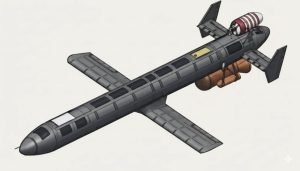
In Russia’s Oryol region, near the village of Tsymbulova, launch sites have been installed for jet-powered drones Geran-3/4 and Geran-5.
Analysts from the Russian Federation’s Strategic Aviation Telegram group say that the launch system for this type of drone is about 80 meters long.
“This makes it roughly three times larger than the launch system used for standard UAVs,” the analysts said.
At present, the only known launch sites for the jet-powered Geran-3/4 and Geran-5 UAVs are the Tsymbulova site and Donetsk Airport.
Images from areas near these launch points show a large number of UAVs in the open, which were likely already used in strikes against Ukraine.
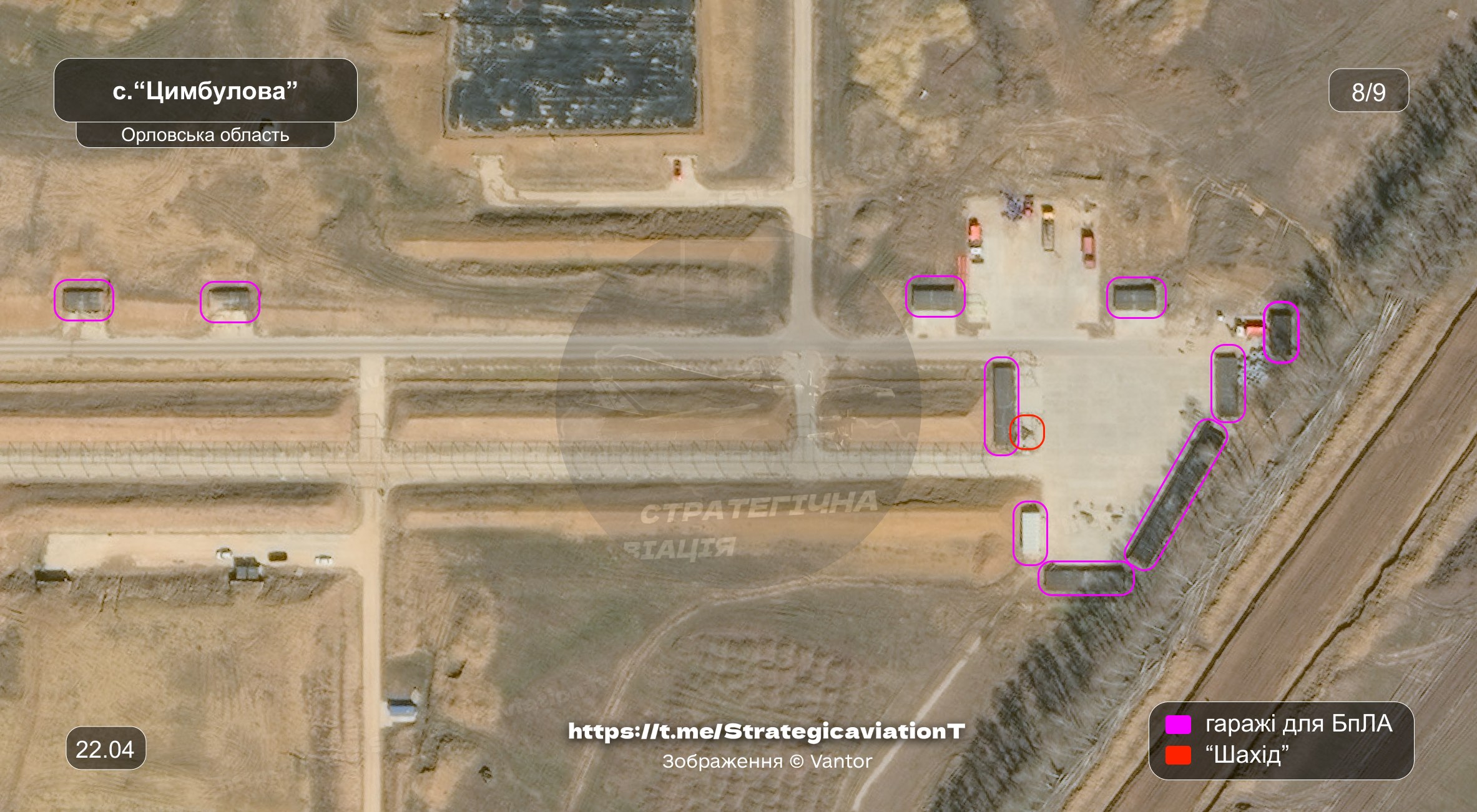
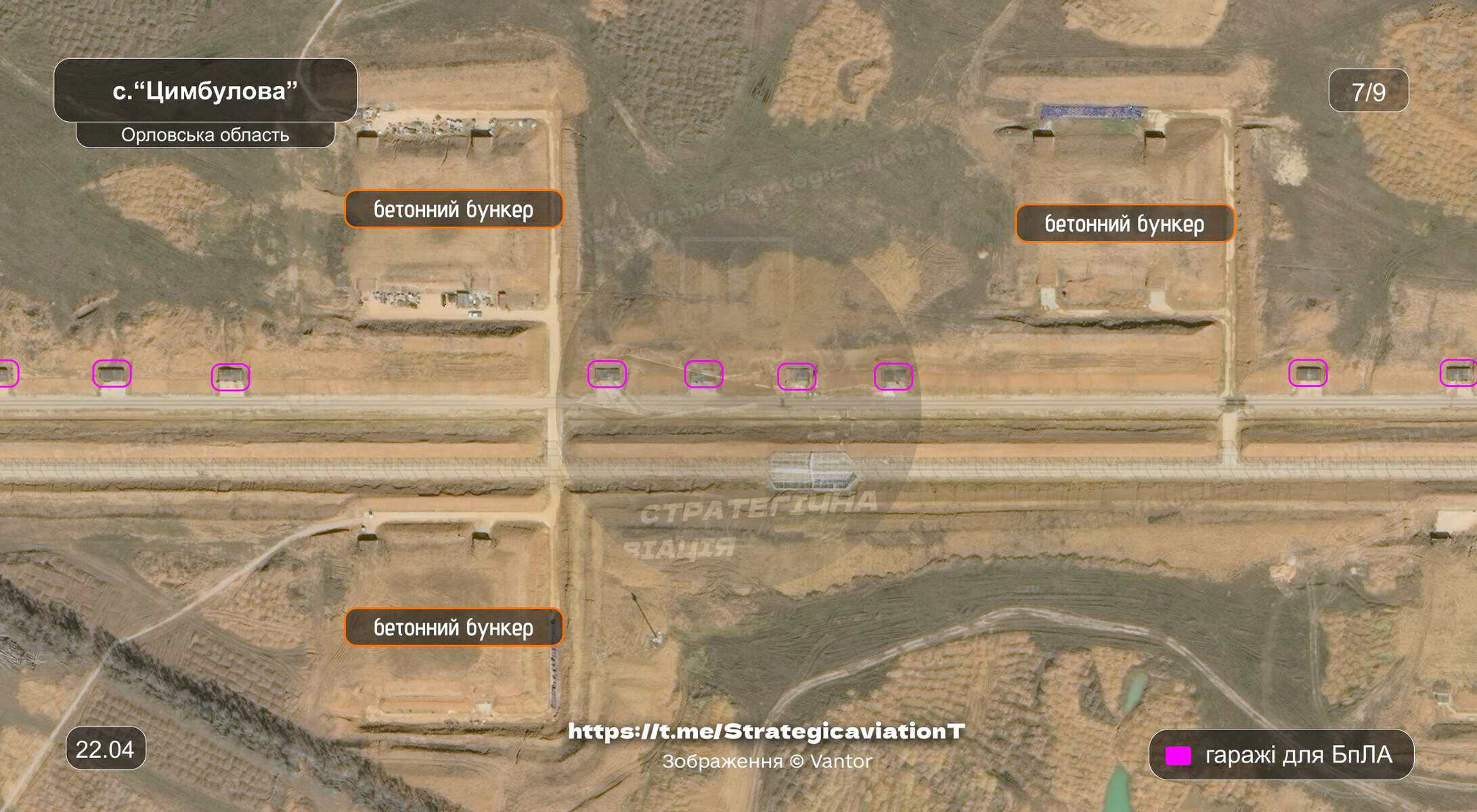
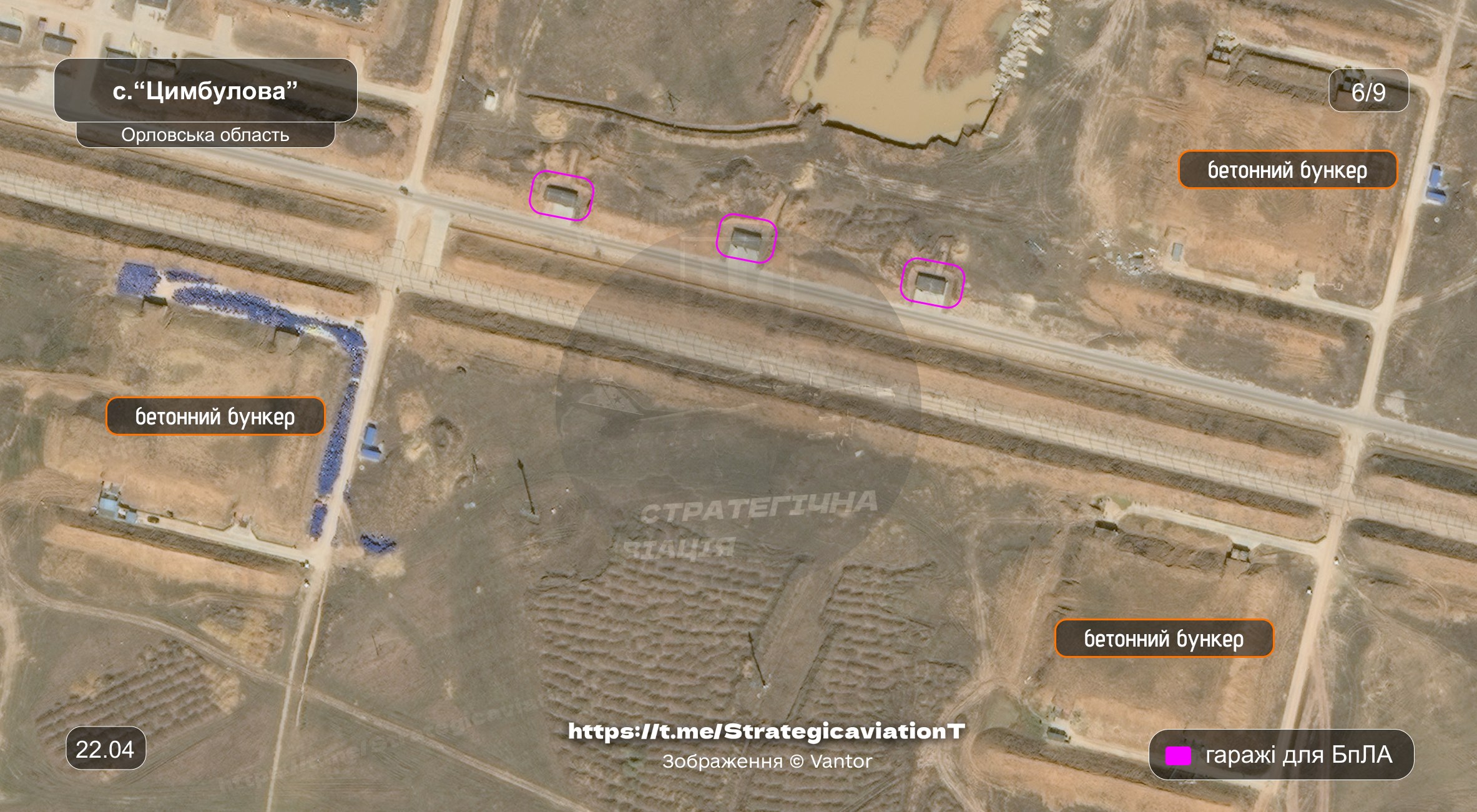
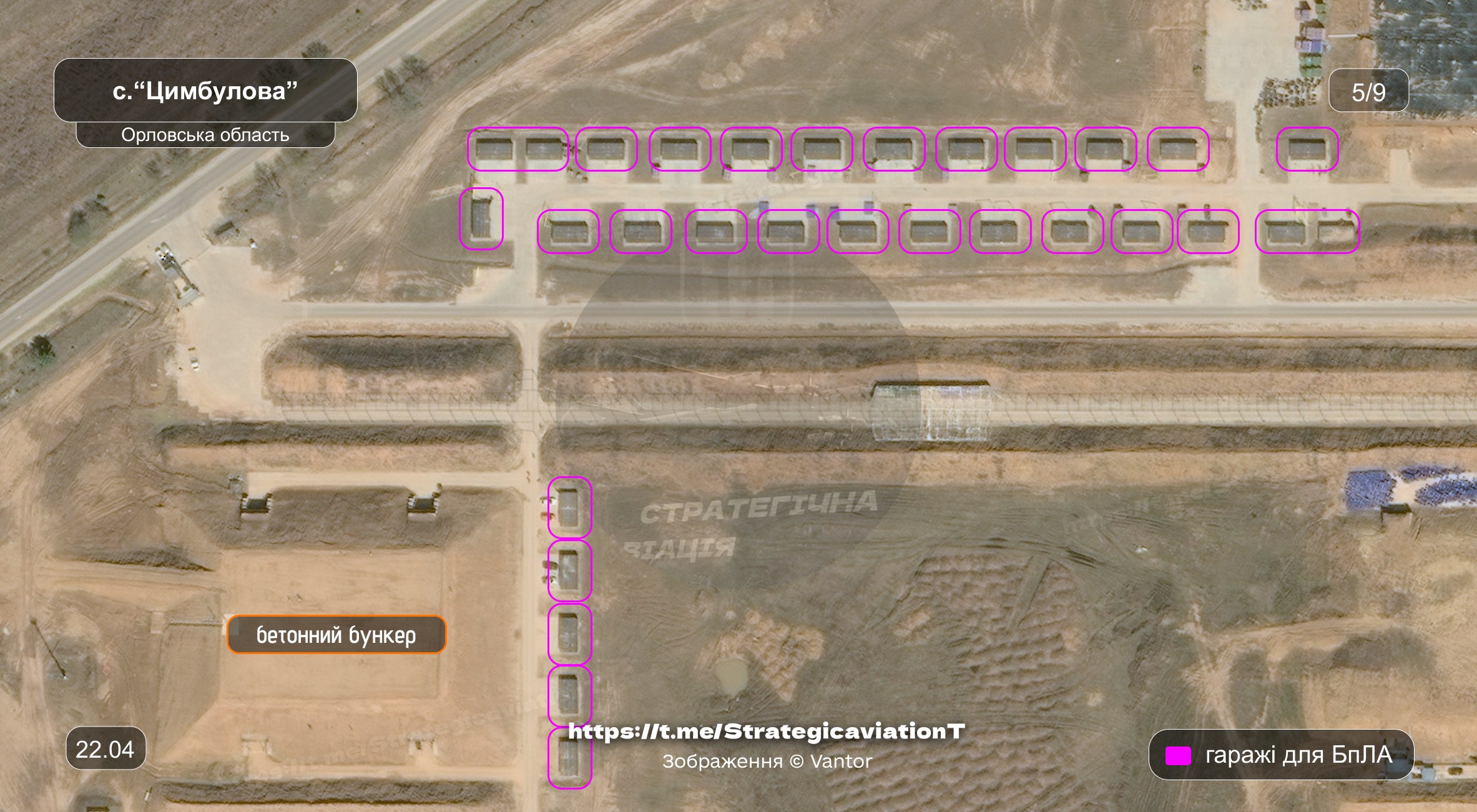

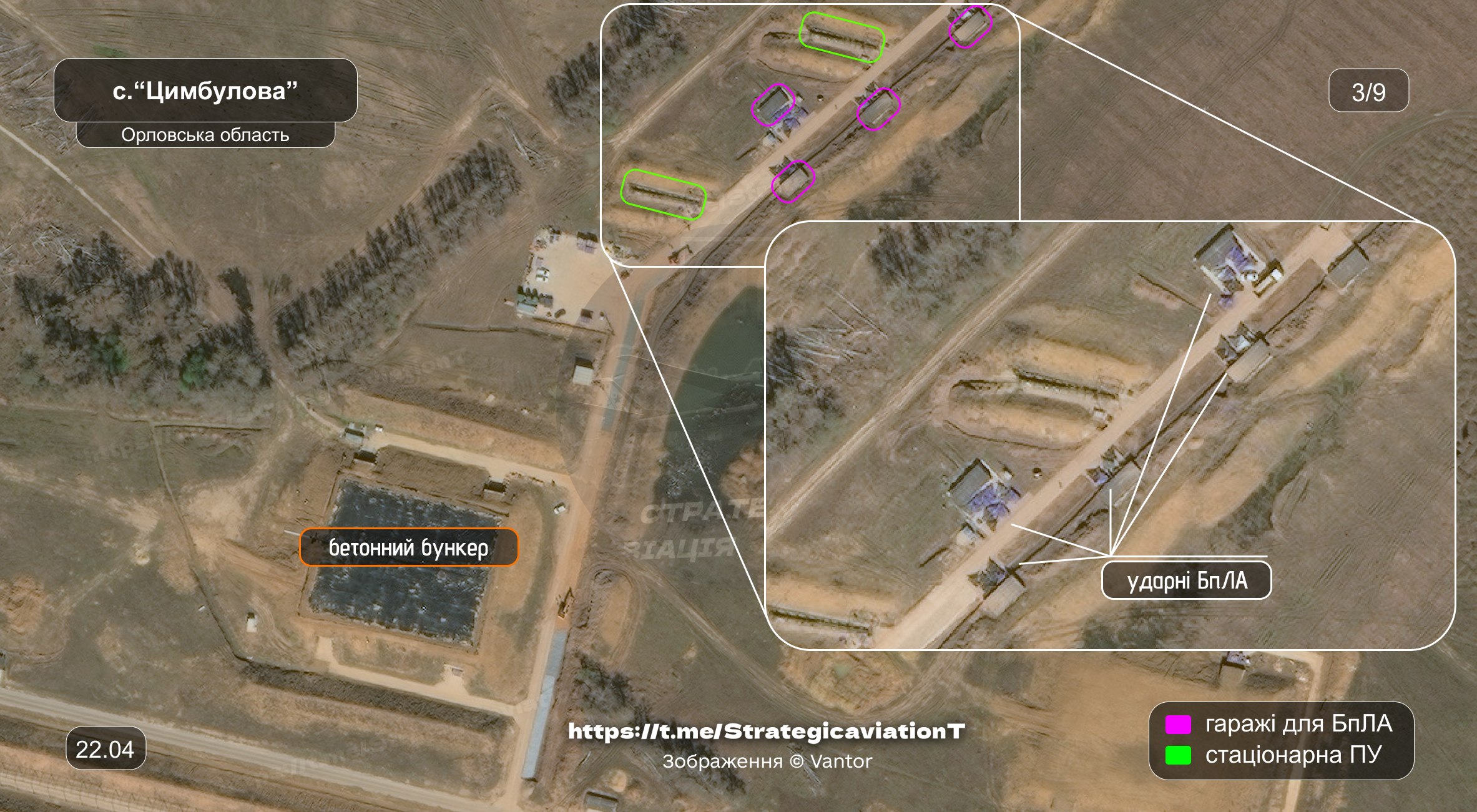
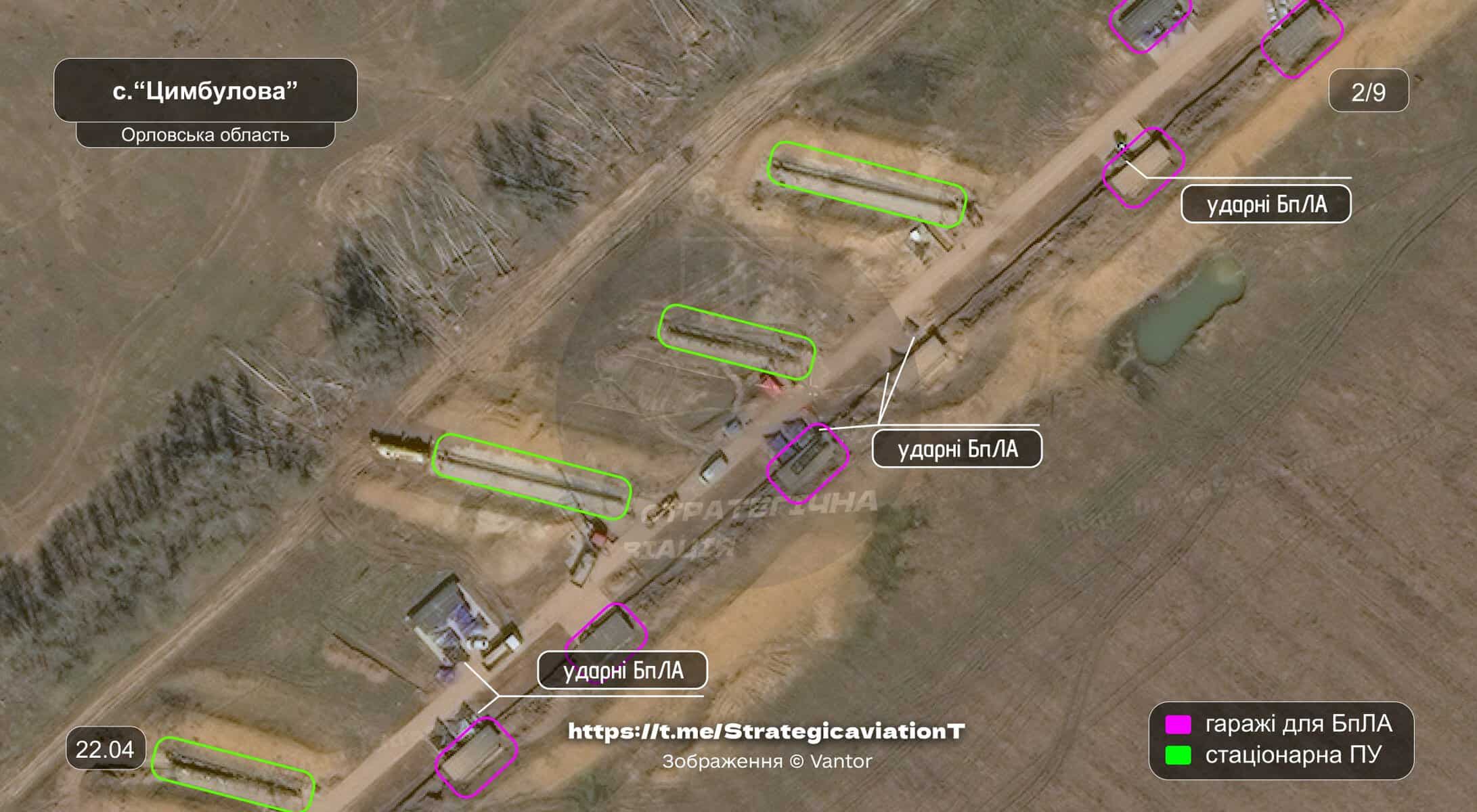
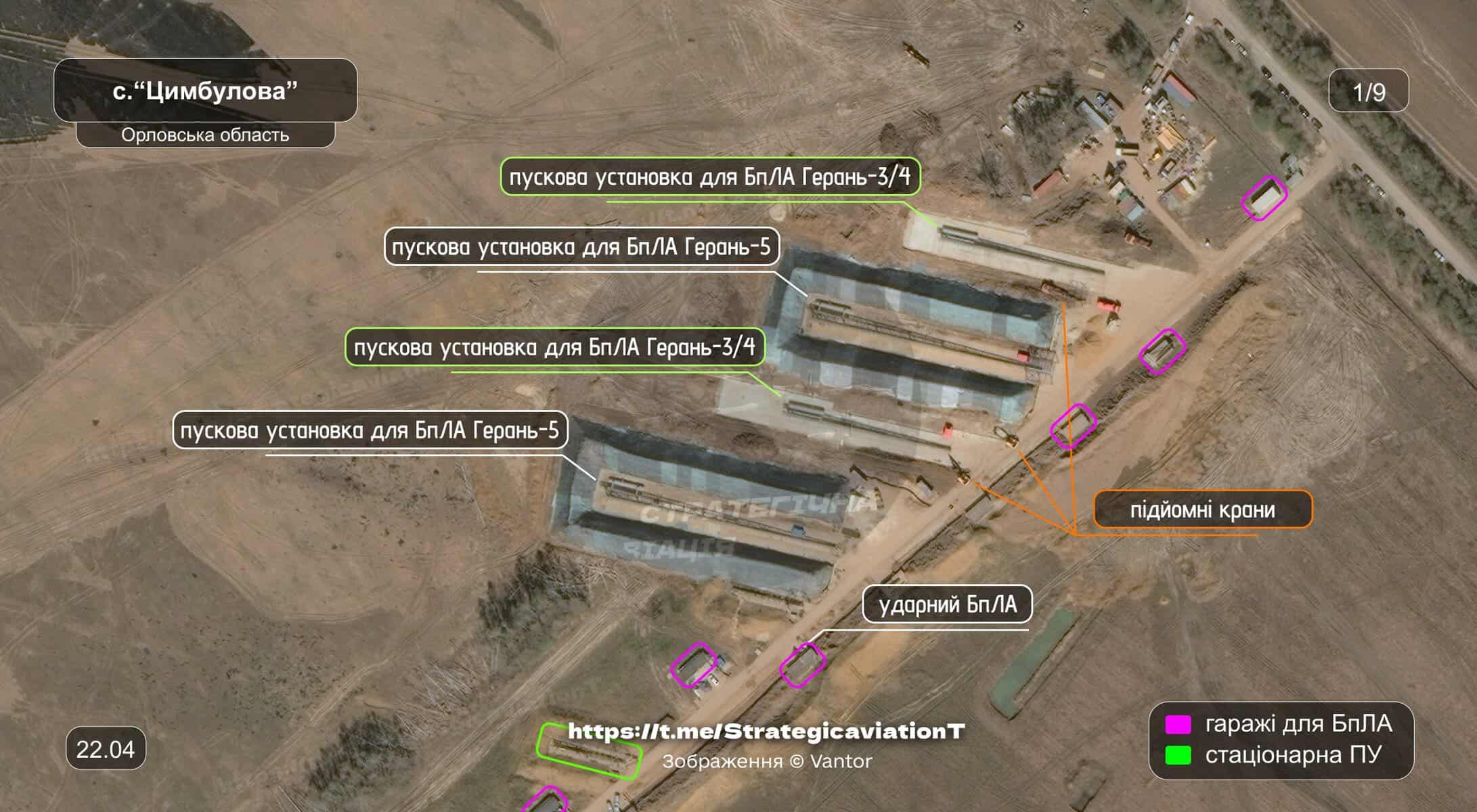
Near the garages used for strike UAVs, many passenger cars have also been spotted; these are used as an additional means of launching drones.
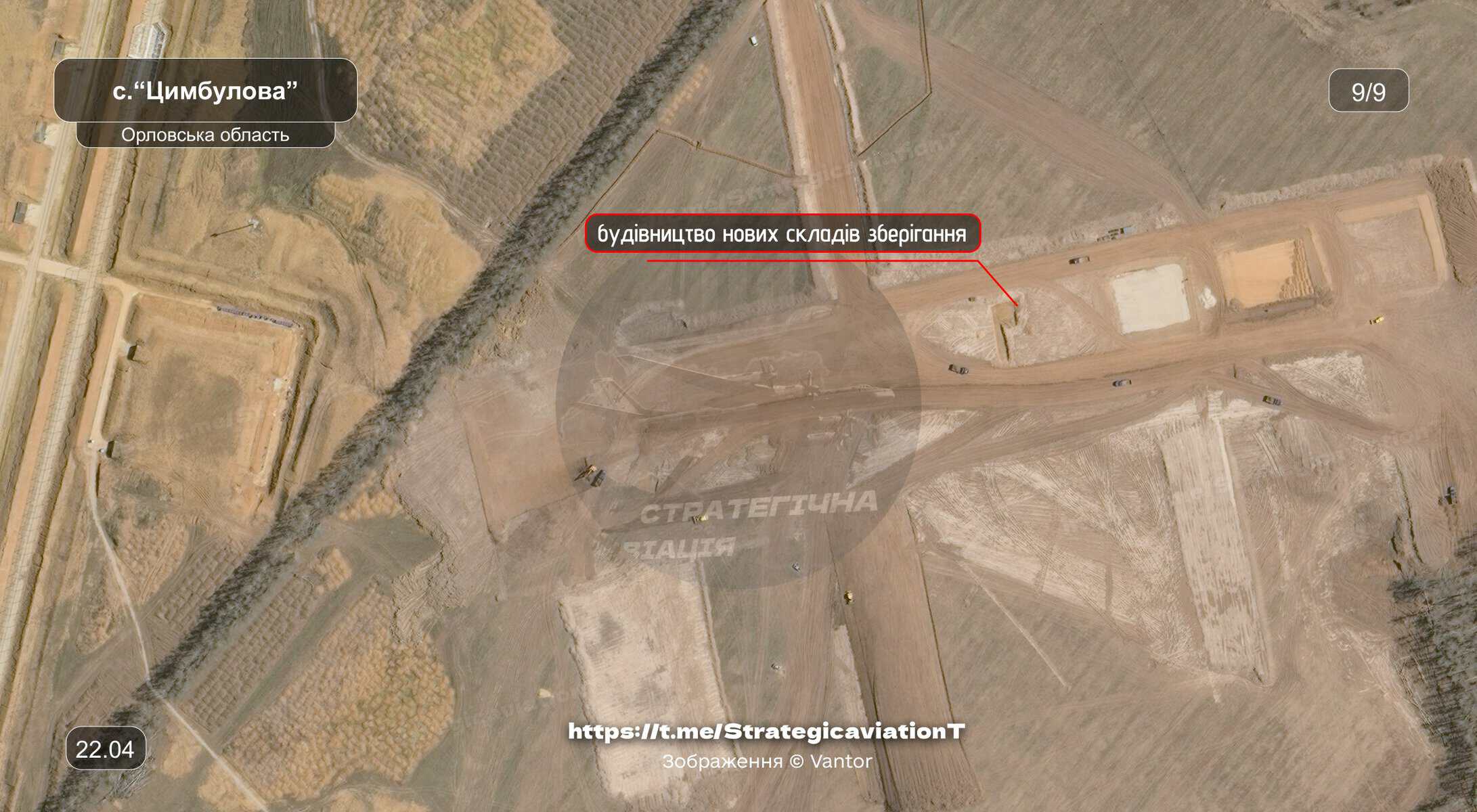
New storage facilities for UAVs are being built at the training ground.
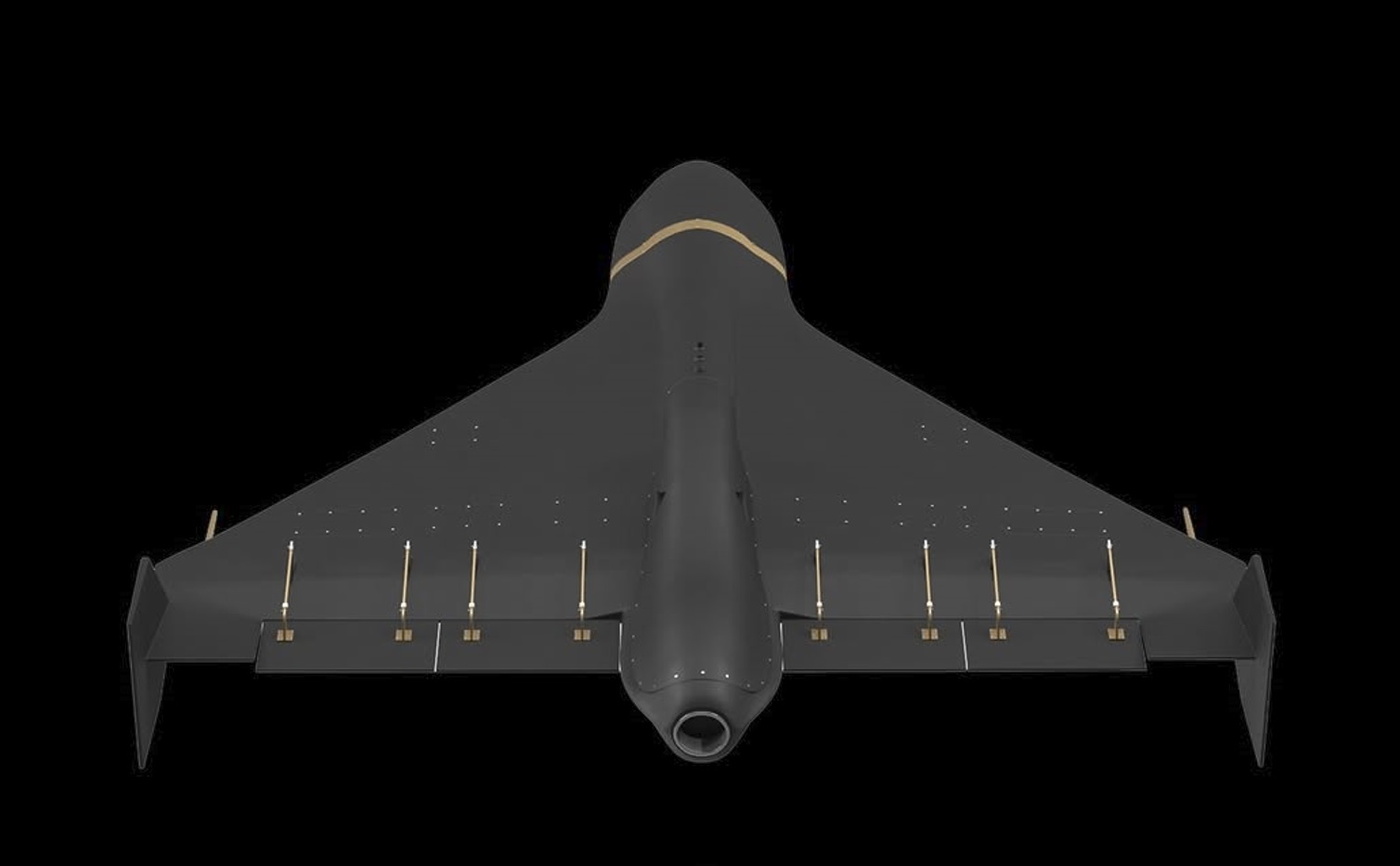
The Geran-3/4 uses a turbojet engine and two fuel tanks, allowing it to reach speeds of 300–370 km/h and a range of up to 1,000 km.
To counter electronic warfare systems, it is equipped with a jam-resistant satellite navigation Kometa-M12, featuring a 12-element adaptive antenna array. In addition, the Geran-3 is fitted with a camera and a video transmission system.
At the same time, the Geran-5 differs significantly from earlier models in both its aerodynamic design and intended role.
In terms of its shape, the new drone more closely resembles a cruise missile than the delta-wing Shahed-type UAVs, and it can be classified as a “missile-drone” – a format that is already widely used, including in Ukrainian developments.
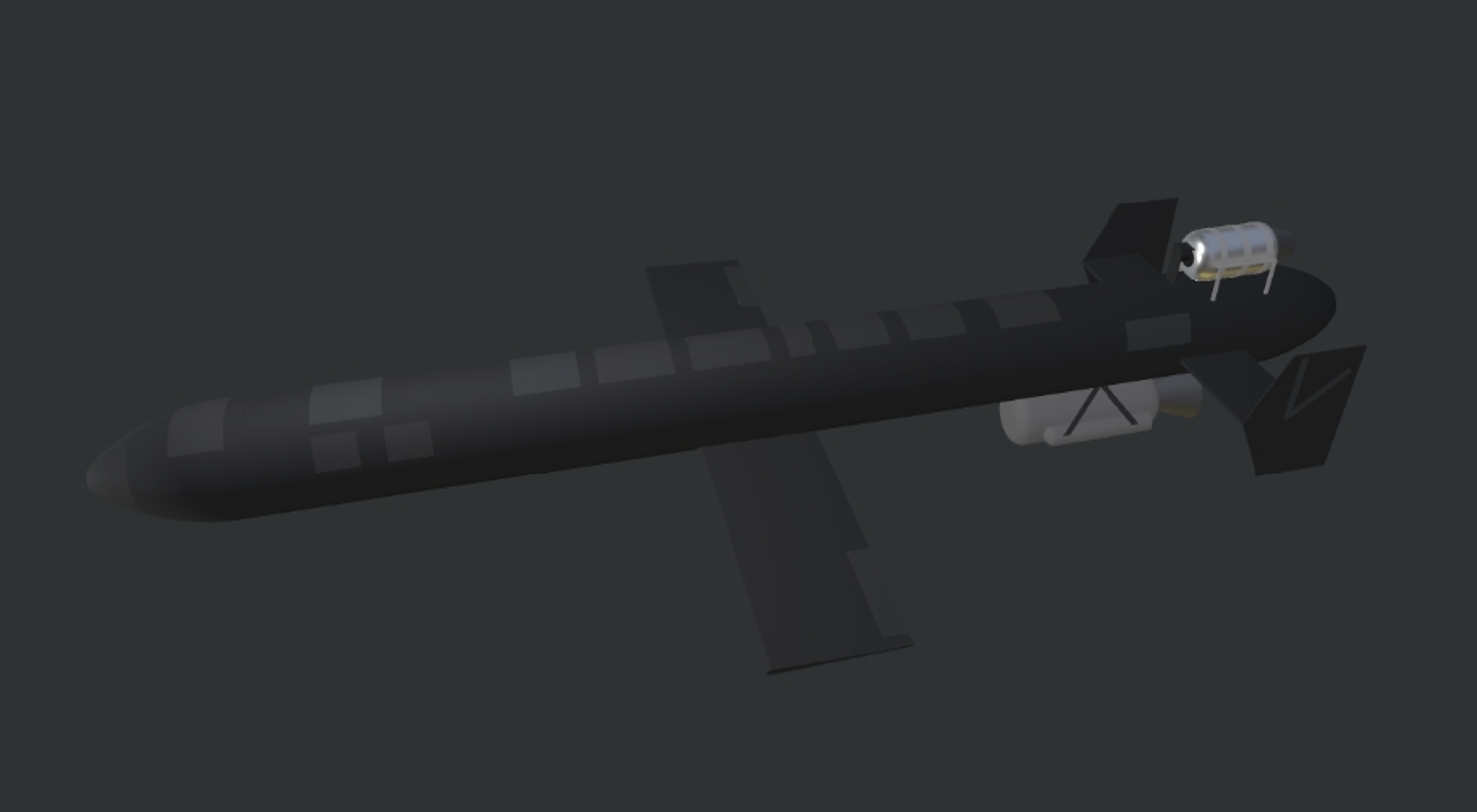
The main difference of the new system is its speed, estimated at 500–600 km/h. By comparison, the widely used Russian Geran-2 drone reaches only about 180 km/h, making the Geran-5 much harder to intercept.


