
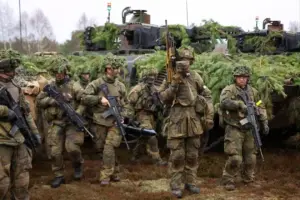
Germany has presented an updated military strategy for the armed forces aimed at significantly increasing troop numbers and building the strongest conventional army in Europe.
Hartpunkt reported on this.
The core documents of the general defense concept presented to the public consist of the Bundeswehr’s military strategy and capability profile, a plan to increase personnel, and a new reserve strategy.
According to the German Ministry of Defense, the military strategy is intended to answer how the armed forces will ensure deterrence within the alliance and how they would conduct warfare if necessary.
The new concept of warfare assumes that the state, economy, and population are all potential targets, and that German society as a whole is under threat. The enemy will deliberately blur the distinctions between the rear and the front line, civilians and the military, internal and external security, war and peace, and combatants and non-combatants.
Observance of recognized ethical and legal principles cannot be relied upon.
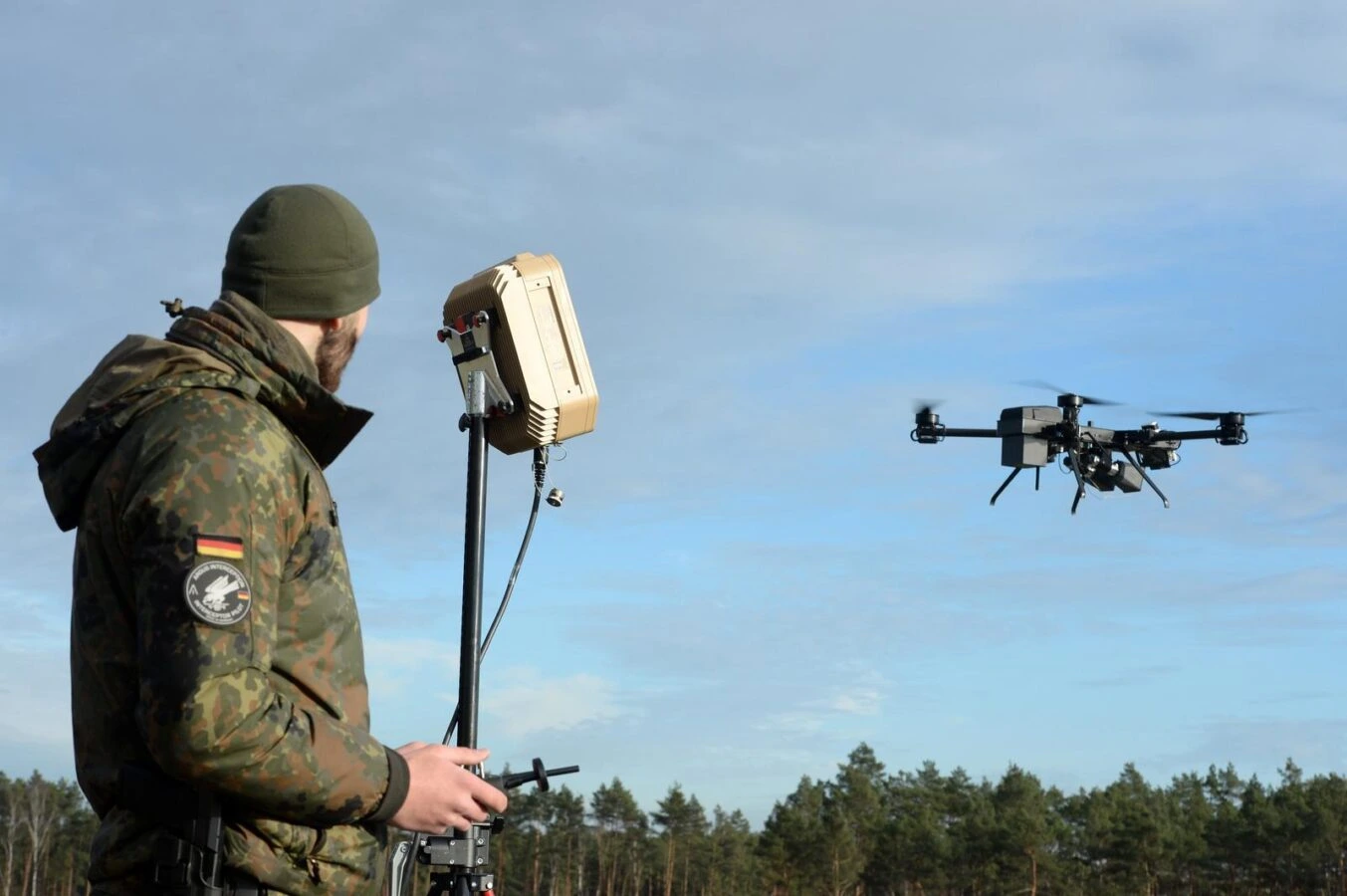
To make the Bundeswehr the strongest conventional force in Europe, its capabilities are planned to be expanded in several areas:
- Distance strikes and defense against air threats;
- Information superiority and faster information flow;
- Network-centric operations and digitalization;
- National command capabilities;
- Mandatory military capabilities for operational support structures;
- Strengthening national crisis and risk support.
Expansion of the German Armed Forces
According to the document, the Bundeswehr is to increase to 260,000 active personnel and an additional 200,000 reservists who would be mobilized in the event of war. The Ministry of Defense has thus consolidated previous expansion plans at a doctrinal level.
Under the new strategy, the reserve will carry out independent tasks as an integral part of the armed forces. It will form the basis of territorial defense and, under the German operational plan, will ensure the stability and functioning of logistics hubs in the event of war and fulfill allied commitments.
The expansion of the Bundeswehr will take place in three stages. Focused growth until 2029 is intended to rapidly increase defense capability and readiness. In the second phase, by 2035, capabilities are to be significantly strengthened across all domains — land, air, sea, cyber, and space — in line with NATO and national capability goals. By the end of these phases, the goal is to reach 460,000 combat-ready personnel.
In the third phase, by 2039 and beyond, the focus will shift to building a technologically superior armed force. The document states there will be increasing emphasis on developing and integrating “military innovations of the day after tomorrow.”
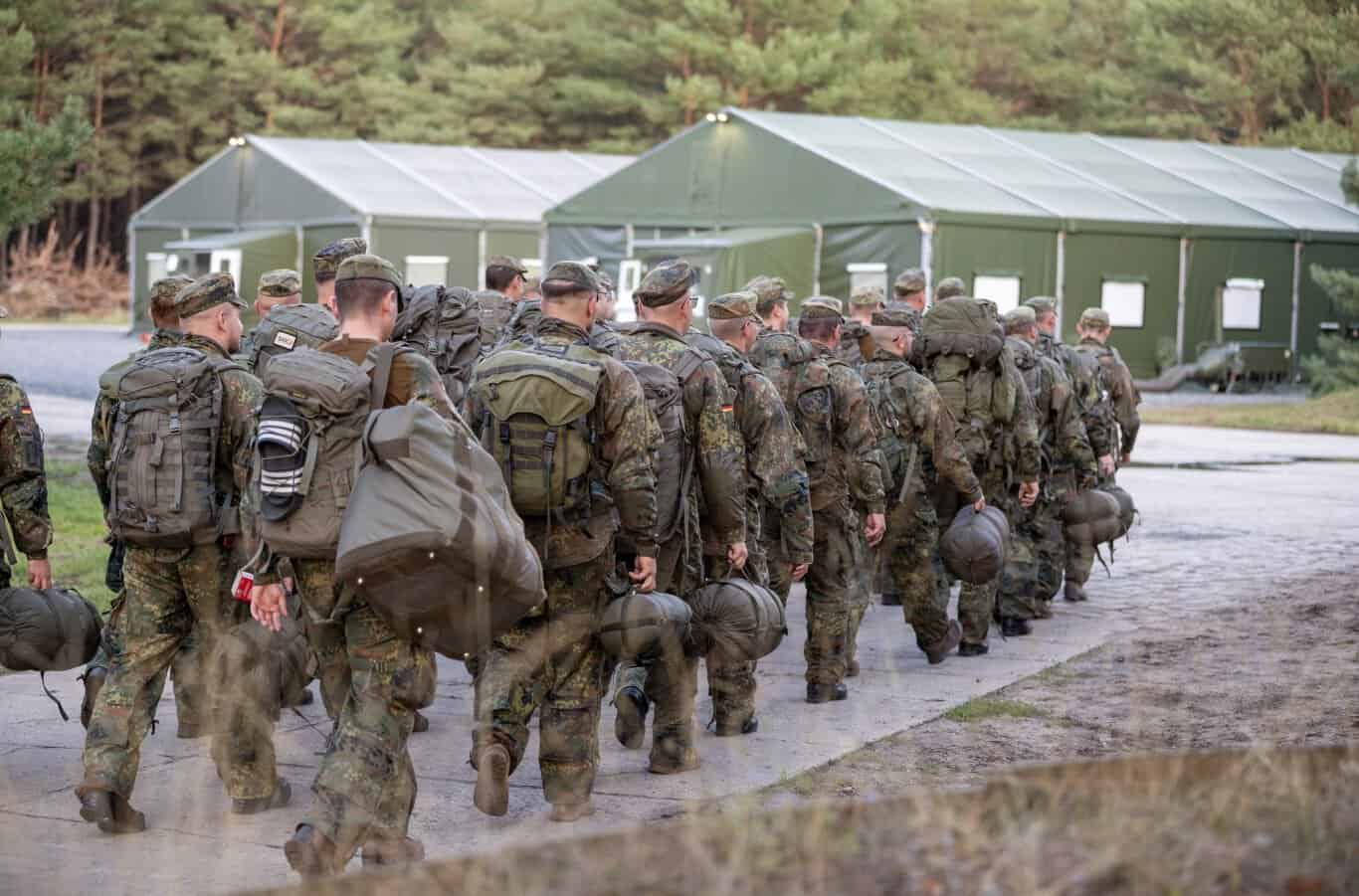
However, Germany is currently struggling to meet even its previous target of 203,000 troops due to recruitment challenges. Some battalions are reportedly only 30-50% staffed.
Total active personnel at the start of 2026 stood at about 186,200, up 3,600 from February 2025. The number of reservists is not precisely known and is estimated at up to 60,000.
While the number of volunteers for the German Armed Forces is increasing, the number of conscientious objectors is also rising. Under the 2025 military service law, the Bundestag may decide on compulsory conscription if the defense situation requires it and volunteers cannot provide sufficient personnel.
To increase reservist numbers, Germany also proposes raising the reservist age limit from 65 to 70.


