

A previously unidentified launcher spotted on the US Arleigh Burke-class destroyer USS Carl M. Levin has been identified as part of a drone countermeasure system.
This is reported by Naval News.
The system is part of a program to enhance the counter-drone capabilities of surface vessels called C-UAS Afloat. It provides for the experimental modernization of four destroyers.
The installed launcher is designed to deploy eight interceptor drones from the Coyote family. In its basic configuration, the Coyote Block 1 is a six-kilogram kamikaze drone with an electric motor and a high-explosive fragmentation warhead equipped with a proximity fuse.
The concept supplements traditional counter-UAV systems — small-caliber artillery and electronic warfare systems — by engaging targets beyond their effective range. The interceptor is optimized to destroy drones weighing from 9 to 600 kg through detonation in close proximity.
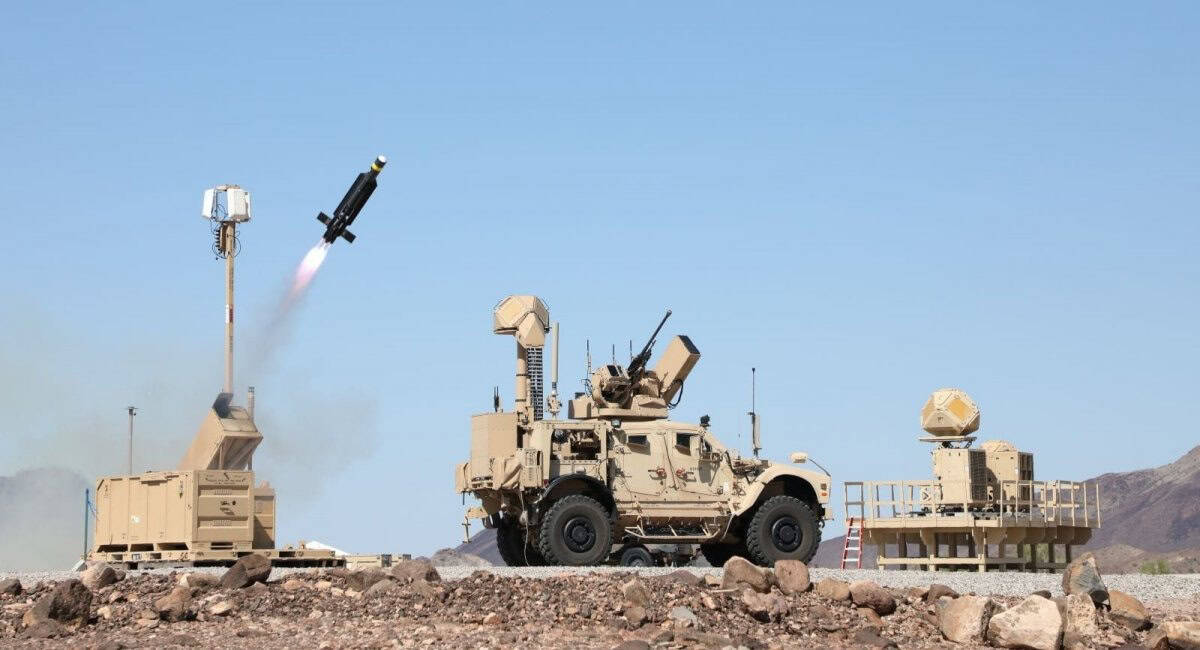
The guidance system is based on radio-frequency spectrum scanning, while initial target detection is provided by the KuMRFS (Ku-band Multi-mission RF System) radar with four electronically scanned antennas and an effective range of about 7 km.
In 2019, Raytheon introduced the second-generation Coyote Block 2. It features a new airframe with a cruciform tail and a different propulsion system: instead of an electric motor with a pusher propeller, it uses a jet engine and four booster rockets. This increased the maximum speed nearly threefold — from 130 to 370 km/h. In the Block 2+ version, speed rises to 555 km/h and range to 10 km.
Like the previous variant, the Coyote Block 2 destroys targets via proximity detonation. The system includes friend-or-foe identification to reduce the risk of engaging friendly assets.
This variant is already being procured by the US Army and deployed as part of the FS-LIDS system. In 2020, Raytheon began testing the third version, Coyote Block 3. It features a reusable design and modular architecture.
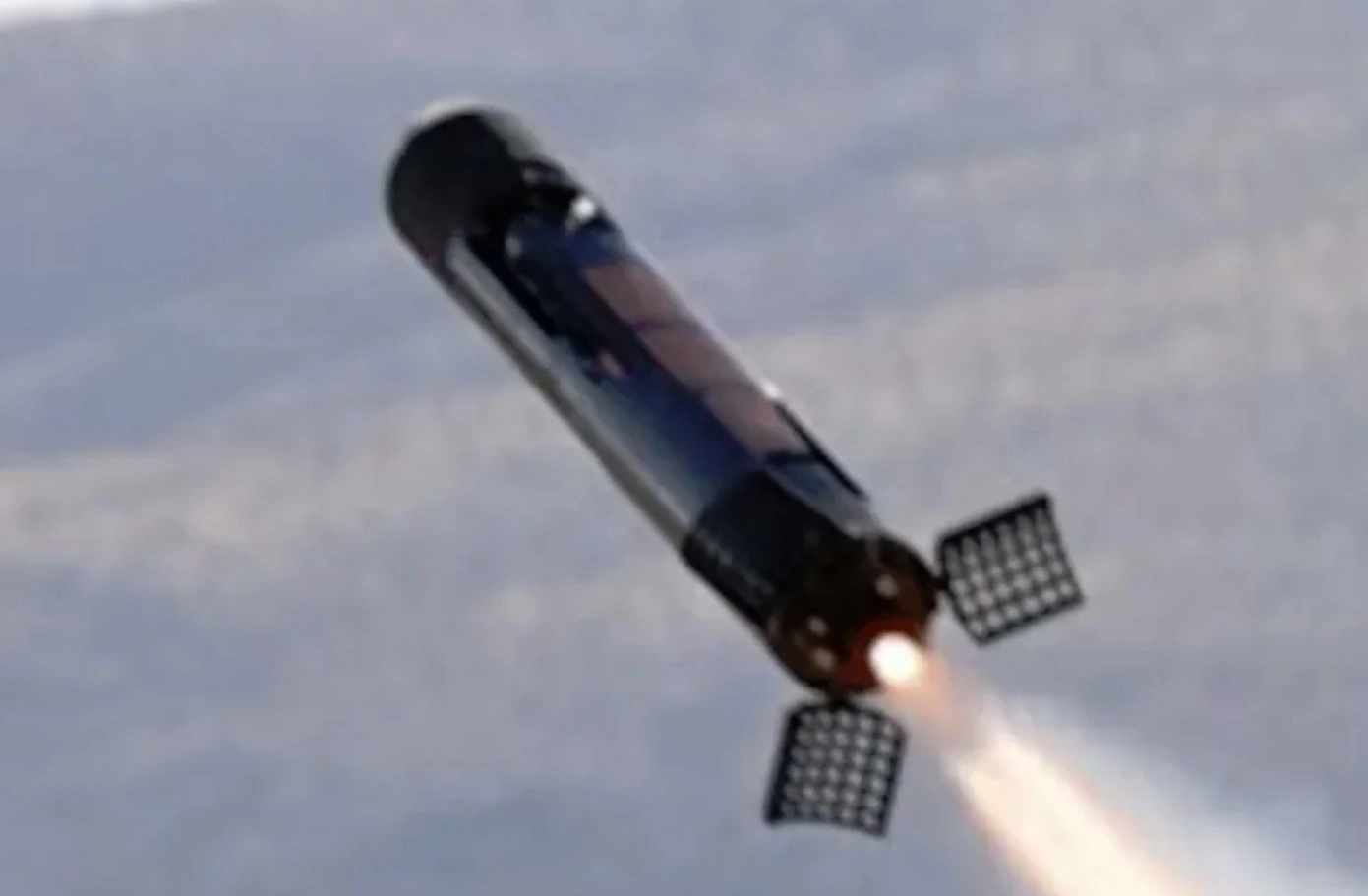
Unlike earlier versions, this variant does not carry a warhead and instead carries an unspecified payload for “non-kinetic” effects on enemy drones, likely electronic warfare capabilities.
In 2021, during a joint demonstration with the US Army’s Integrated Firepower Capabilities Office, a Coyote Block 3 successfully intercepted a swarm of 10 drones.
As of 2025, this version has been redesignated the Coyote Launched Effect Short Range (Coyote LE SR) and has been tested as a reusable reconnaissance platform. Launches have been conducted from a modified M2 Bradley Fighting Vehicle launcher, as well as from a Bell 407 helicopter.


