
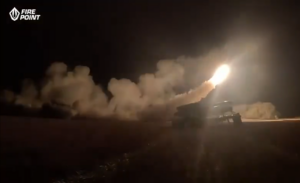
Ukrainian missile and drone strikes against Russian military industry facilities, along with sanctions from Western countries, have led to the failure to meet production targets for the Iskander-M ballistic missiles in 2024–2025.
Militarnyi reports on this in a special article titled “Ukrainian Strikes and Russian Iskander-M: What the Usage Statistics Show”.
According to information from procurement documents obtained by Militarnyi, the Kolomna-based Machine-Building Design Bureau—the manufacturer of the 9M723 Iskander-M and aeroballistic X-47M2 Kinzhal missiles—has received an order for the production of 1,202 ballistic missiles for 2024–2025: 589 Iskander-M missiles for 2024 and another 643 missiles for 2025.
At the same time, according to reports from the Ukrainian Air Force Command and regional commands, Russia deployed 302 ballistic missiles in 2024, and in 2025, this figure rose to 511 missiles—a total of 813 ballistic missiles of all types: Iskander-M, missiles from the S-300/S-400 systems, and North Korean KN-23/24 missiles. In the first four months of 2026, the number of ballistic missiles deployed had already reached 291.
Considering that throughout 2024, approximately one-third of all launches were KN-series missiles, the number of missiles used is significantly lower than the volume of orders for Iskander-M missiles alone during 2024–2025.
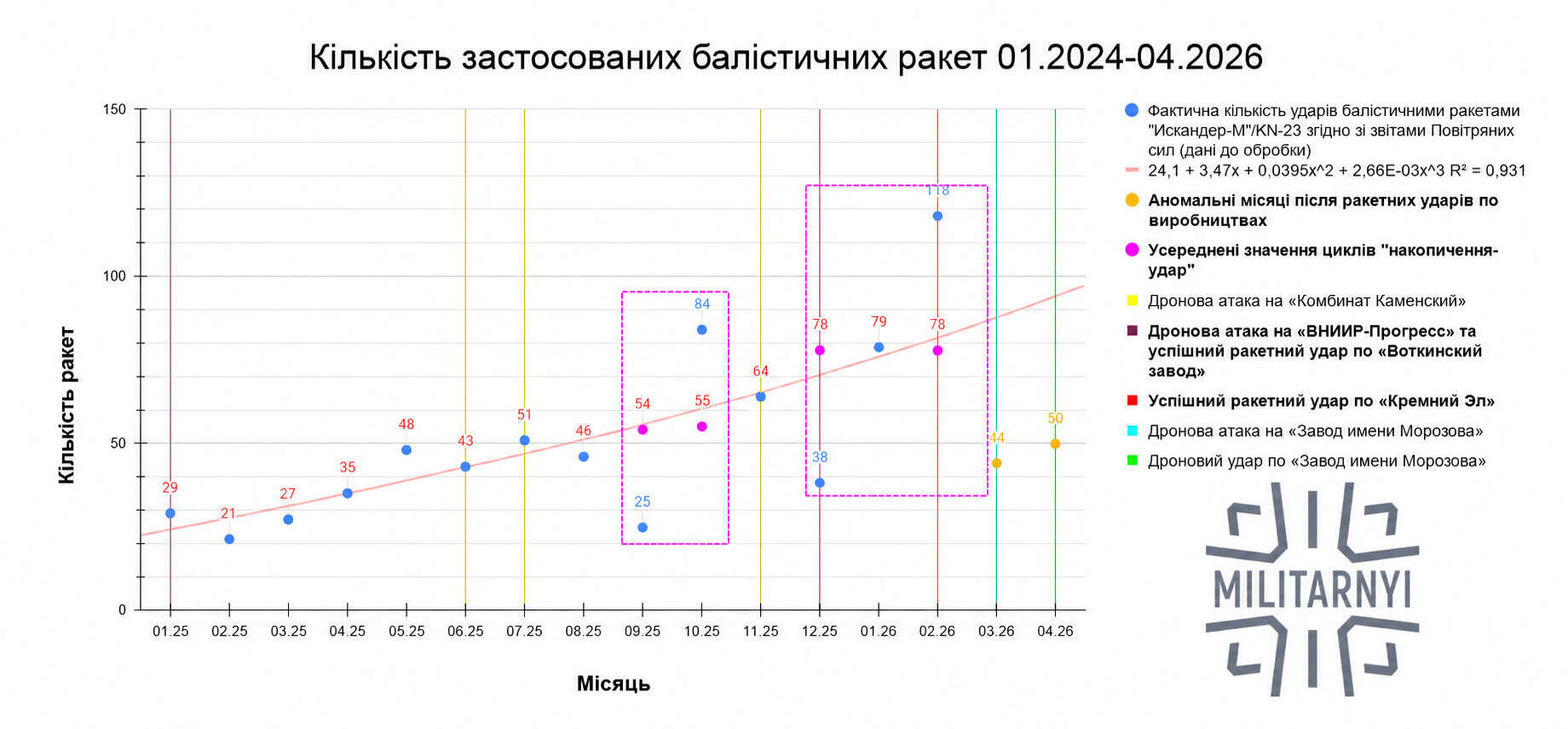
According to the DIU, between July 2025 and mid-April 2026, Russia maintained a roughly constant stockpile of 200–250 Iskander-M ballistic missiles (July, December, April), which rules out the hypothesis that a significant portion of production was diverted to reserves.
Furthermore, analysis of missile debris from massive attacks indicates that a significant portion of the munitions was produced shortly before the strike. This may suggest that production targets were not met, likely due to the constant pressure of sanctions and Ukrainian attacks.
A detailed analysis of ballistic missile deployment statistics, despite the actual deployment rate being lower than order volumes, shows a steady increase in the intensity of Russian strikes.
A comparison of the deployment graph with known drone and missile strikes on Russian enterprises within the ballistic missile supply chain shows that even a series of successful drone attacks did not lead to a sharp decline in the intensity of ballistic missile use.
However, it cannot be claimed that UAV attacks have caused no damage, as the ballistic missile deployment graph already reflects the situation under constant pressure from drone attacks. Without them, production rates could have been even higher.
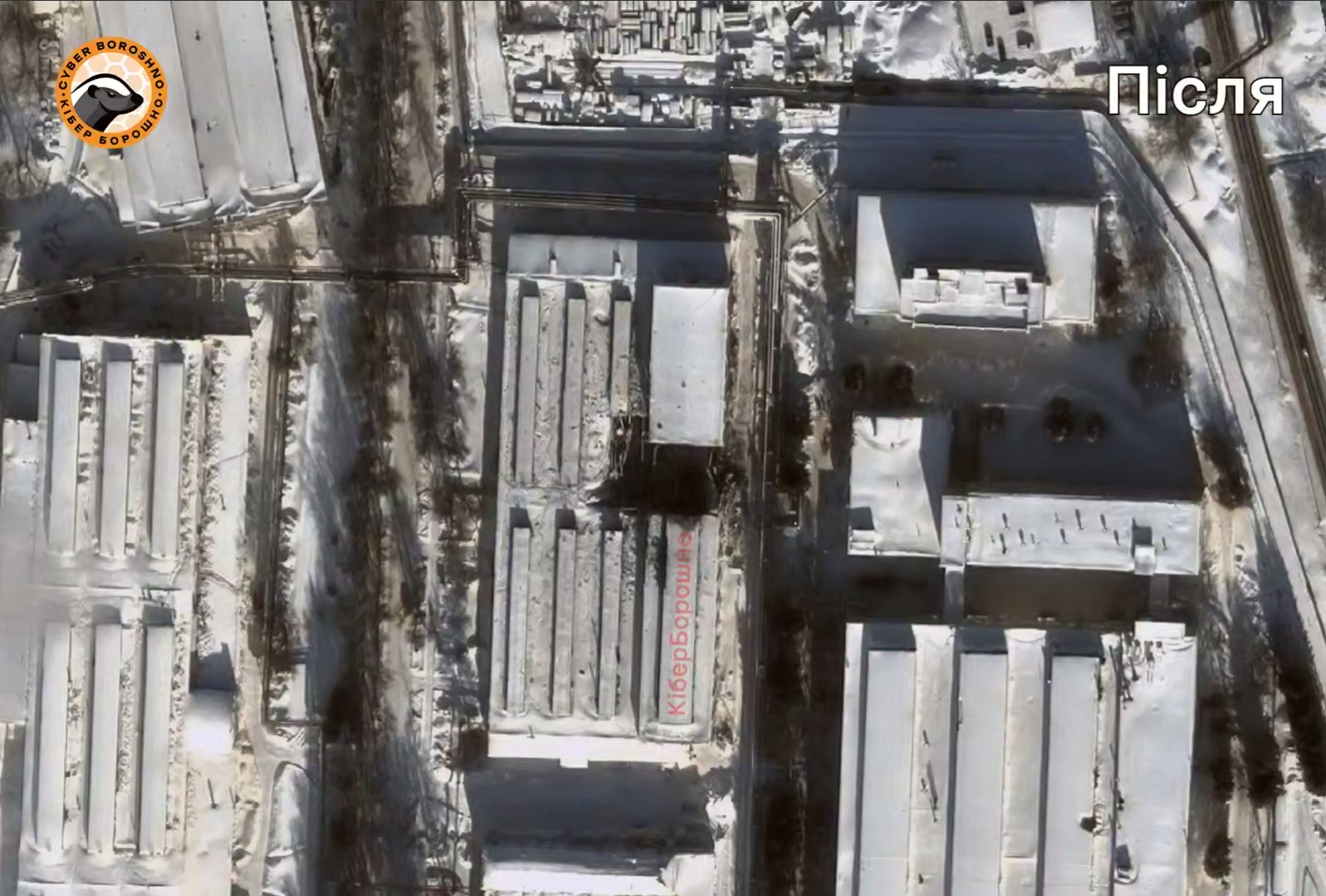
The most noticeable deviation from the general trend is visible in March and April 2026, when, following successful missile strikes on critical enterprises in the Iskander-M missile production chain, the use of ballistic missiles dropped sharply.
Given this, the key to reducing Russia’s missile capabilities is to maintain constant drone pressure on defense industry facilities while expanding Ukraine’s missile program—not only for striking targets but also for reliably taking critical production facilities out of commission.

