
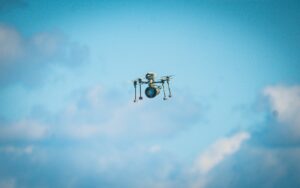
The Ukrainian company U-FORCE has created a system for physically cutting fiber optic cables to counter Russian drones.
This was reported by U-FORCE to Militarnyi.
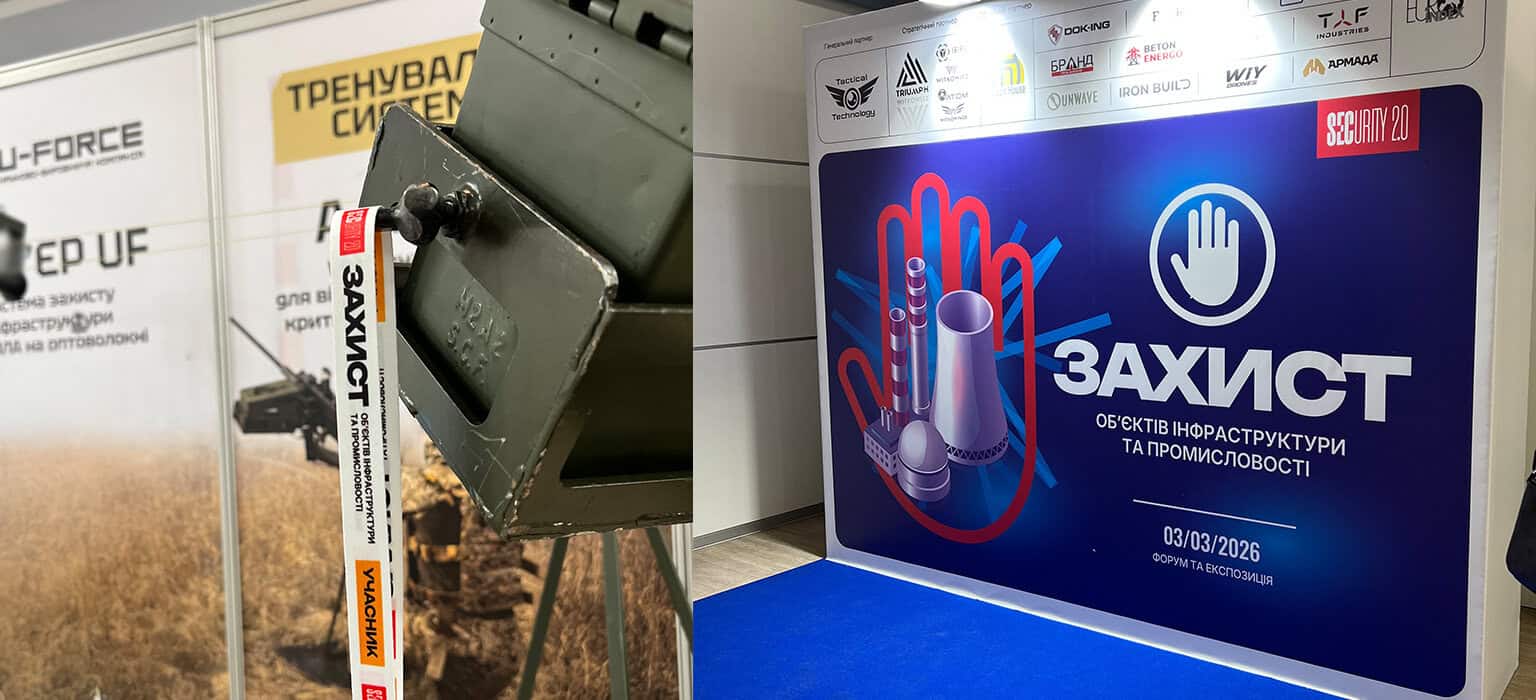
The “Barrier UF” system was first presented at the “Protection of Infrastructure and Industry” forum in early March 2026.
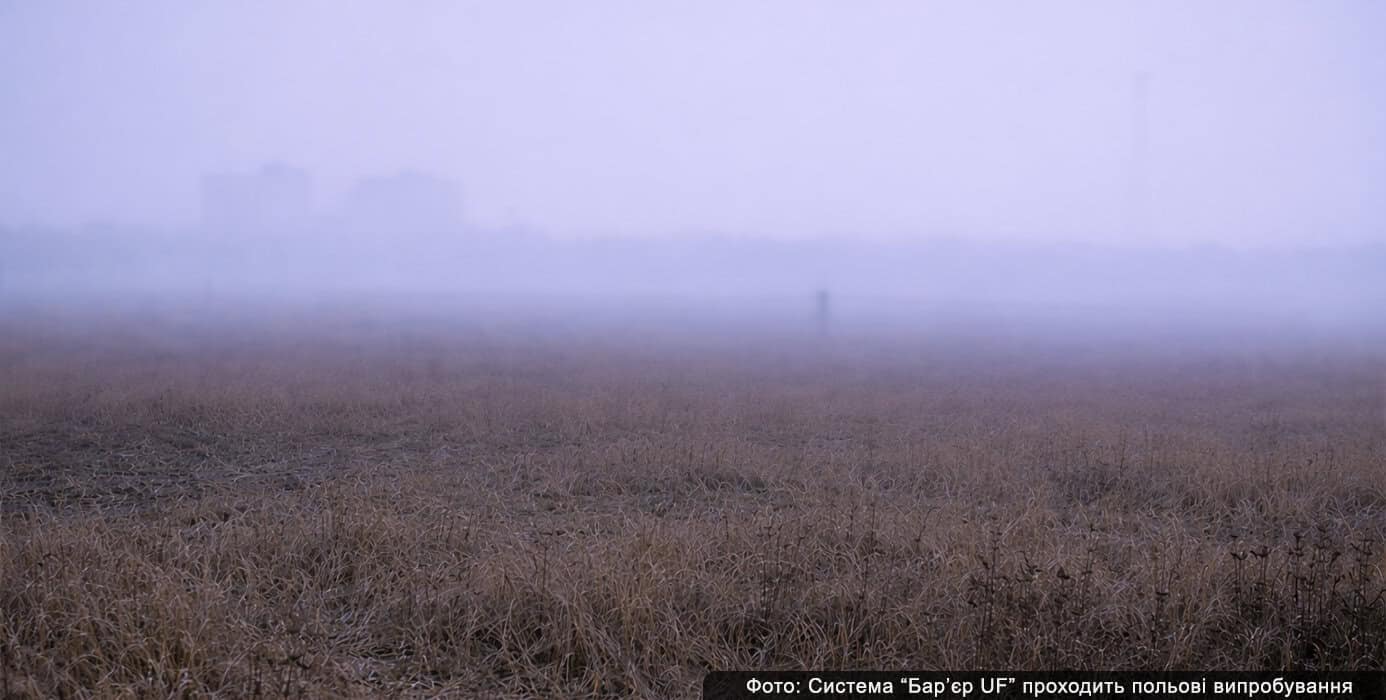
It is deployed in frontline of positions or objects at a distance of up to 500 meters, creating an interception line. When a drone flies over the system, its fiber optic cable breaks, instantly depriving the drone of control.
The Barrier UF system is designed to protect military positions, frontline cities, logistics hubs, energy facilities, and industrial enterprises.
At the same time, the system is lighter, faster to deploy, its components are easily replaceable in the field, and the cost of the system is 2-3 times lower than similar solutions. According to the developers, the key requirements for the system were simplicity, reliability, and the ability to scale quickly.
It is reported that the Barrier UF system underwent more than 8 months of research and field testing, during which it demonstrated a 100% break in fiber optic control of drones flying over the system’s boundary.
It is claimed that, based on the test results, the development showed significantly higher efficiency compared to similar solutions based on “barbed wire”:
- up to 2 times greater operating distance of the system;
- up to 2 times faster fiber optic cable breakage;
- up to 3 times less energy consumption;
- withstands long-term continuous operation loads;
- simultaneous breakage of up to 10 fiber optic strands.
The system can operate for a long time — up to two weeks — in cyclic mode on a single standard battery. If necessary, it can be connected to more powerful batteries, mains power, or alternative energy sources, such as solar panels.
This allows the system to be used as a stationary element of object protection or as a temporary barrier in front of positions.
“The idea for Barrier came about after constant communication with the military, who are faced with FPV drones on fiber optics. In many cases, such drones simply do not respond to electronic warfare, so we had to find another solution. We set ourselves the task of creating a system that would be as simple as possible to deploy, easy to maintain, and at the same time not cost a fortune. It can be quickly installed in front of a position or object to provide an additional line of defense,” said Serhiy Sereda, CEO of U-FORCE.
According to him, during development, the team also took into account feedback from the military to ensure that the system was as easy to use and repair in the field as possible.


