
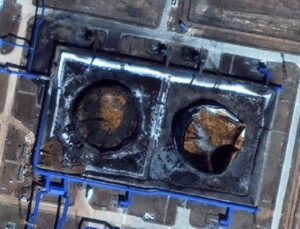
As a result of a drone attack on the Gorky oil pumping station, two tanks with a capacity of 50,000 m³ each were destroyed.
Satellite images were published by the Telegram channel Dnipro Osint.
The station’s filtration equipment and, likely, storage facilities were also damaged. This facility belongs to the JSC Transneft – Upper Volga.
Damage to these technological nodes directly affects the processes of preparing petroleum products for further transportation via trunk pipelines.
The pumping station serves as both a main and an intermediate station, ensuring the pumping of oil from Western Siberia via trunk pipelines (in particular along the Surgut–Gorky–Polotsk route) to large oil refineries in central Russia and for export.
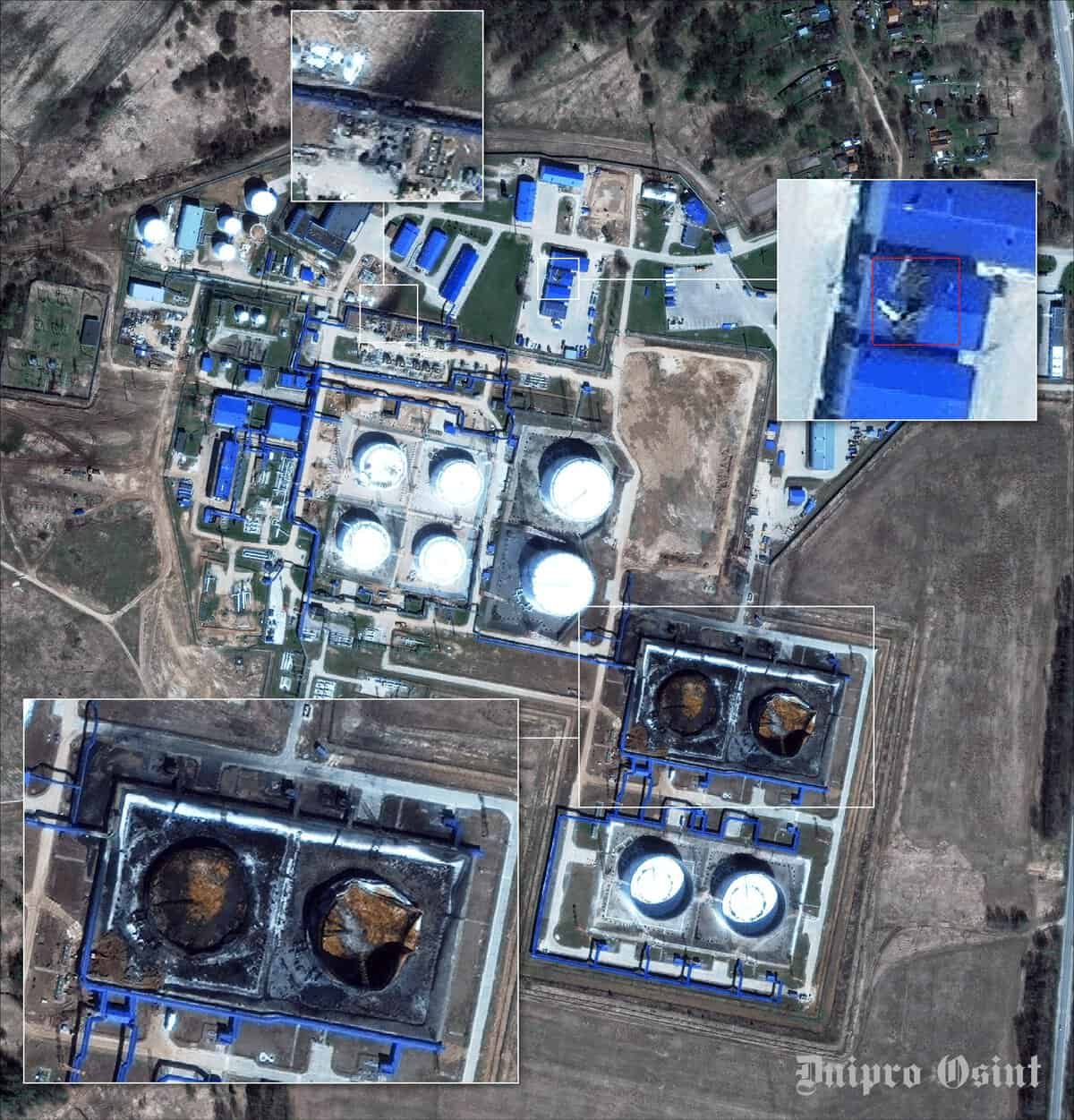
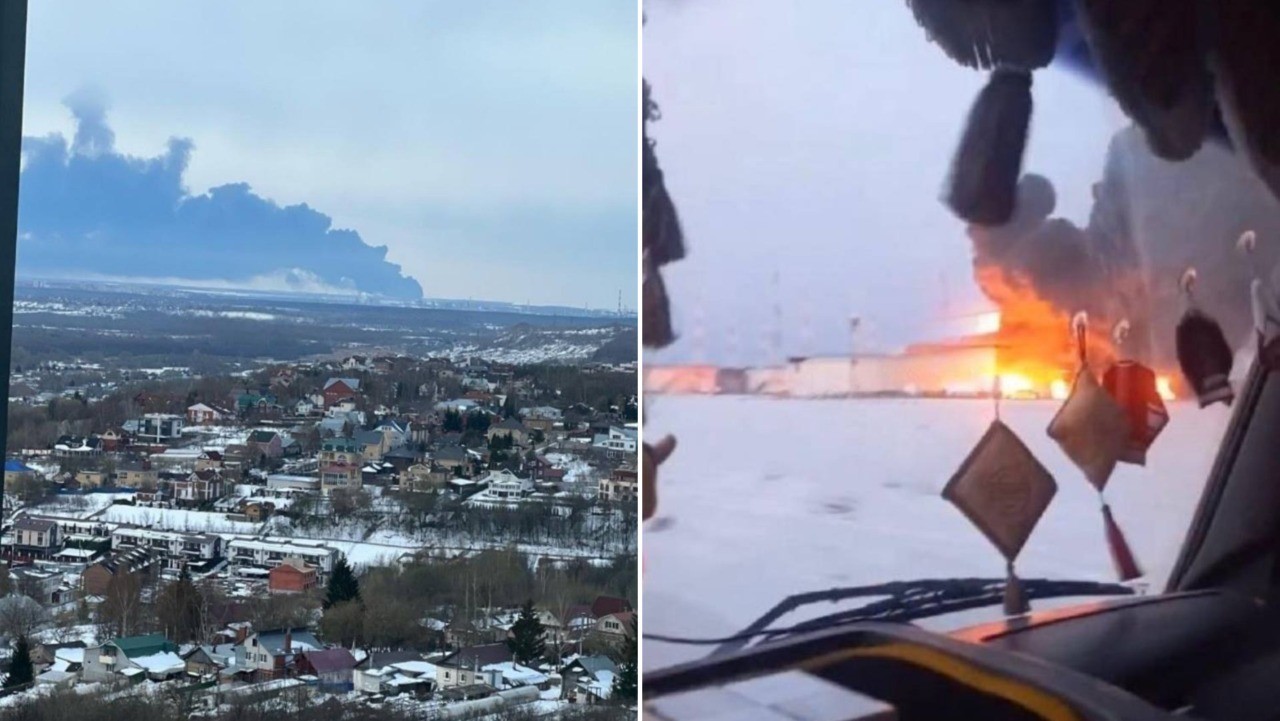
As a reminder, the station was struck by drones on April 23 in the Nizhny Novgorod region.
The facility is located in the village of Meshikha, near the city of Kstovo. A fire broke out there following the strike.
In April, Russia significantly reduced oil production and limited supplies to Europe as a result of attacks by Ukrainian drones.
According to Reuters estimates, production volumes in April could have fallen by 300–400 thousand barrels per day compared to the average figures for the first months of the year. If confirmed, this would mark the sharpest monthly drop in the last six years—since the start of the COVID-19 pandemic.
The bulk of production comes from fields in the West Siberian petroleum basin, which are a key component of the oil sector—one of the main sources of revenue for the Russian economy.
Consequently, the decline in production directly affects the financial revenues of one of the world’s largest oil exporters.
Also, on the night of May 4, the Ukrainian Armed Forces attacked the city of Moscow using FP-1 long-range strike drones.

