
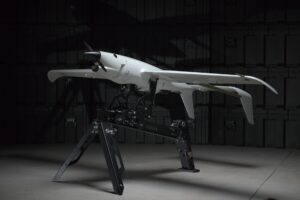
The Ukrainian reconnaissance drone Raybird (ACS-3) can now detect Russian interceptor drones.
According to Skyeton, this allows operators to quickly respond to threats and carry out evasive maneuvers.
The feature is already in serial production and has been integrated into the drones’ operational systems.
The widespread use of interceptor drones has forced manufacturers to implement active threat-response mechanisms in UAVs.
Integrating a detection module increases the likelihood of mission success and the drone’s survival, especially during long-range and deep reconnaissance operations.
“We approach every update very meticulously. Our goal is to make Raybird even more resilient in the toughest conditions. We carefully studied the existing industry solutions and technologies and conducted thorough testing. Based on that, we selected the most effective option for our UAV,” said Roman Kniazhenko, CEO of Skyeton.
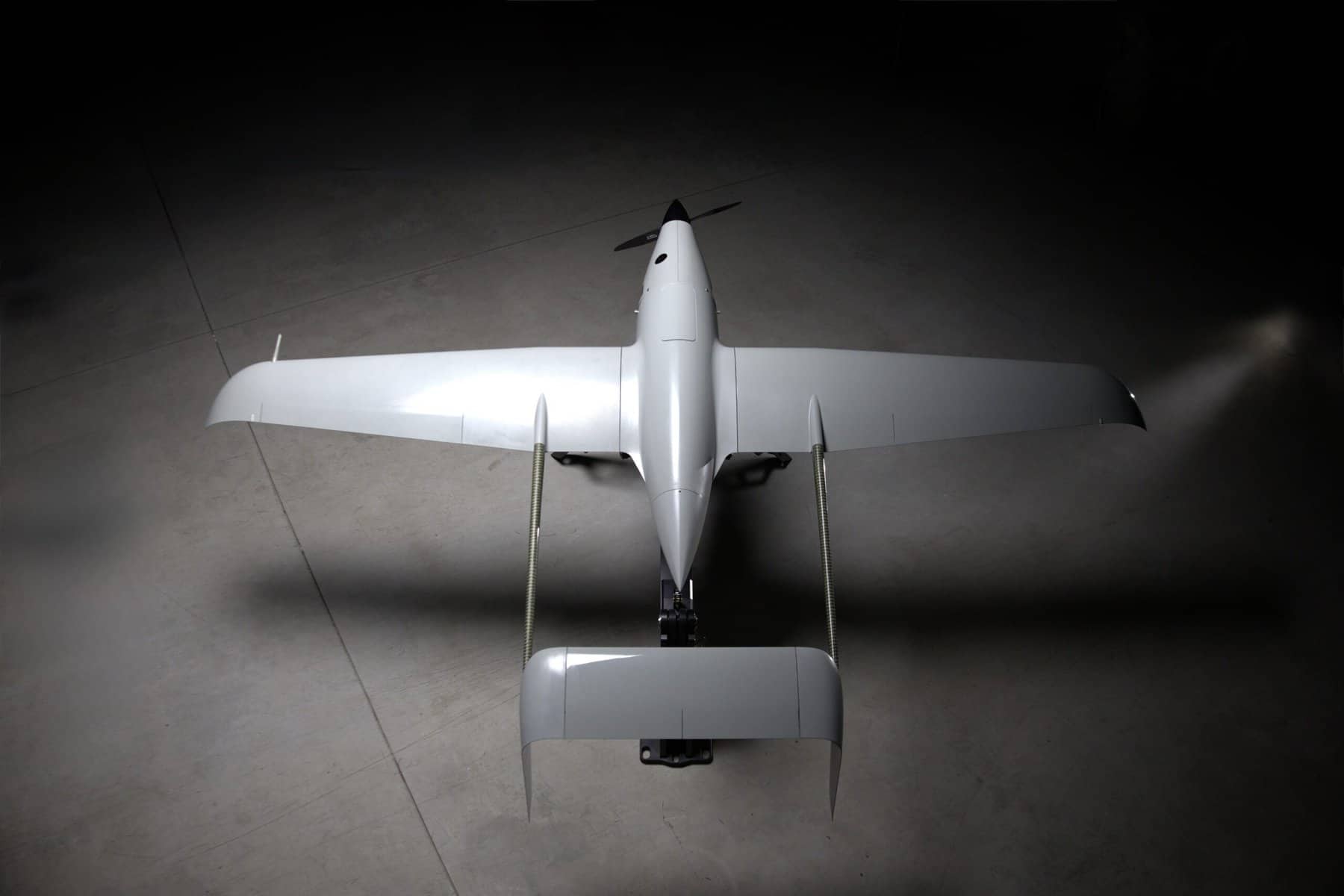
Raybird’s modular design allows these upgrades to be added not only to new systems but also to drones already in service.
The Raybird (ACS-3) is a small tactical fixed-wing drone built for long-range reconnaissance missions.
Key specifications (internal combustion engine version):
- Flight time: over 28 hours
- Maximum range: over 2,500 km
- Maximum altitude: 5,500 m
- Communication range: over 220 km, or unlimited with SATCOM
- Engine type: four-stroke gasoline injection
- Operating temperature: –35 °C to +55 °C
- Deployment time: up to 25 minutes
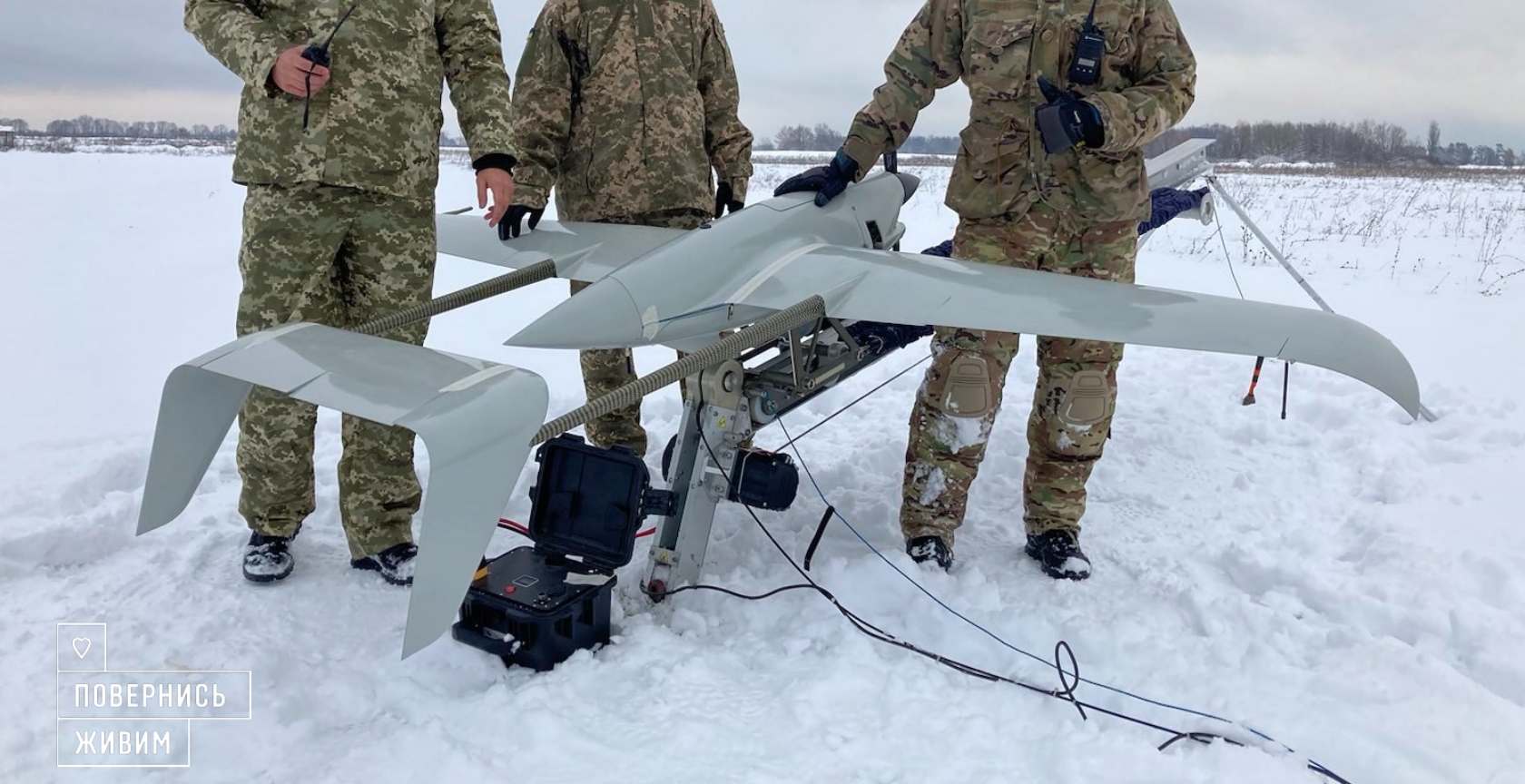
The Raybird supports a wide range of interchangeable payloads, including multisensor EO/IR gyro-stabilized modules, SAR systems, radio frequency locators, and other specialized sensors.
Previously, an American SAR radar for remote Earth sensing was successfully tested on the Ukrainian Raybird drone.


