
The U.S. Treasury’s Office of Foreign Assets Control has announced a new set of sanctions targeting networks connected to Iran’s missile and drone programs.
According to the agency’s official website, the measures are part of the Economic Fury campaign.
In total, 14 individuals and organizations have been sanctioned, as well as aviation assets used to transport weapons. The entities are based in Iran, Turkey, and the United Arab Emirates.
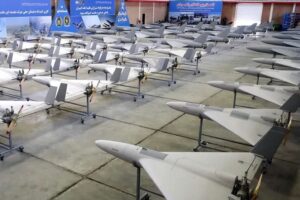
The sanctions also target the Iranian company Pishgam Electronic Safeh Company, which purchased drone parts such as servomotors that were later found in downed Shahed-136 drones. Several individuals involved in funding and organizing these shipments have also been added to the sanctions list.

The U.S. Department of the Treasury stated that Iran is attempting to rebuild its stockpiles of ballistic missiles while actively using Shahed-series strike drones to attack targets in the region, including energy infrastructure.
Treasury Secretary Scott Bessent emphasized that the sanctions are aimed at holding Iran accountable for “blackmailing global energy markets” and carrying out attacks on civilian targets using missiles and drones.
The sanctions also affect companies involved in supplying materials used in missile fuel production. In particular, restrictions were imposed on the Turkish Emti Fiber Textile Import Export Trade Limited Company, which supplied raw materials for producing nitrocellulose – a key component of solid rocket fuel.
In addition, the U.S. expanded sanctions against the Iranian airline Mahan Air, which Washington has previously accused of transporting weapons and supporting the Islamic Revolutionary Guard Corps. The measures also target affiliated entities and executives connected to the airline.
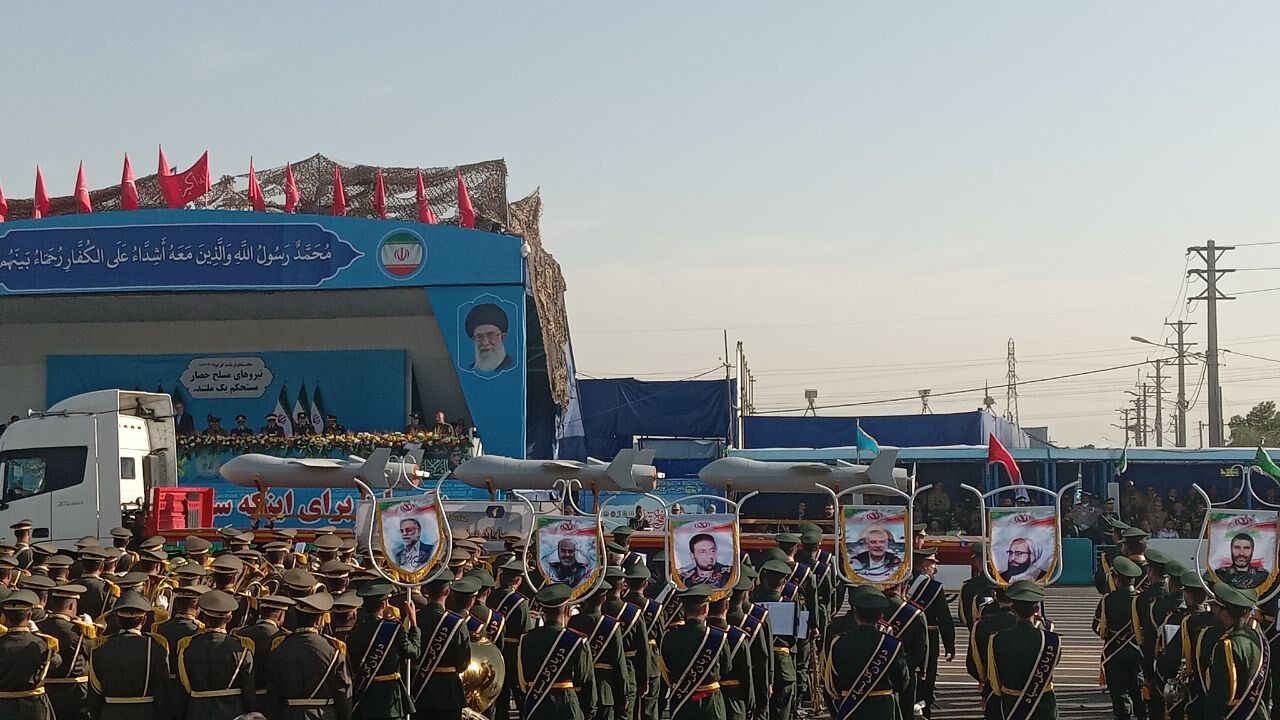
According to the U.S. Department of the Treasury, drones and weapons were supplied through front companies, including deliveries to third countries. These schemes involved firms operating in multiple regions, including the Middle East and Asia.
Militarnyi previously reported that Iran has retained about 40% of its pre-war stockpile of strike drones. U.S. officials also say Iran is trying to recover missiles that were buried under rubble after attacks on weapons depots and storage sites.


