

The U.S. Air Force will begin a study in 2027 to define requirements for future modernization of the B-52 Stratofortress and a potential New Heavy Bomber program.
This was reported by Aviation Week, citing the Air Force budget request for fiscal year 2027.
As the publication notes, an analysis of alternatives typically begins after a service identifies and approves a new operational need and often precedes the introduction of a new aircraft by 10 to 15 years. Its purpose is to provide decision-makers with options before a competitive procurement process begins.
“A new heavy bomber analysis of alternatives will begin initial planning activities to develop key performance parameters, key system attributes, and additional performance attributes for a follow-on heavy bomber in the USAF,” the budget request states.
It is not yet clear how the New Heavy Bomber program will fit into the Air Force’s long-range strike portfolio. The service is investing tens of billions of dollars to field the stealth Northrop Grumman B-21, which is set to replace the B-2 and B-1B, and to upgrade the Boeing B-52J to carry long-range weapons for decades.

According to The Aviationist, the study covers several projects, including integration of an advanced weapons pylon, integration of long-range cruise and anti-ship missiles JASSM and LRASM, the Advanced Weapons Integration effort and the Heavy Bomber Analysis of Alternatives.
The study is also mentioned in the description of the Advanced Concept Demonstration project, which supported a classified demonstration on the B-52 and concluded in fiscal year 2025. No details were provided about the demonstration.
The service requested $1 million in fiscal year 2027 to develop requirements for the new aircraft, while the broader Advanced Concepts Demonstration received $3.872 million in fiscal year 2025. No funds were requested for fiscal year 2026, and the new funding is allocated entirely to the New Heavy Bomber Analysis of Alternatives.
The Future of the B-52
Under current plans, the U.S. Air Force expects to operate the B-52 Stratofortress until at least 2050.
To remain relevant, the bomber will undergo a major upgrade from the B-52H configuration to the B-52J.
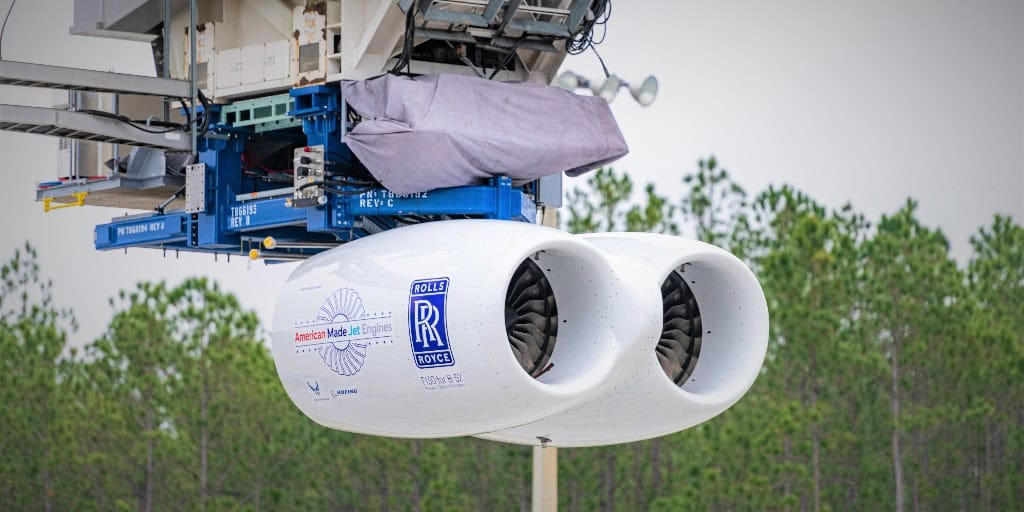
The Air Force is expected to field a mixed fleet of 76 upgraded B-52Js and at least 100 new B-21 Raider stealth bombers.
Once the new bomber enters service, the B-52 will focus on long-range strike missions from beyond the reach of enemy air defense.
Two key elements of the B-52J modernization are the Radar Modernization Program and the Commercial Engine Replacement Program.
The new radar is expected to improve target detection, including moving target indication and synthetic aperture modes.
Although optimized for air-to-ground missions, the AN/APQ-188 is also expected to retain the ability to engage aerial targets, allowing the bomber to defend against airborne threats.


