
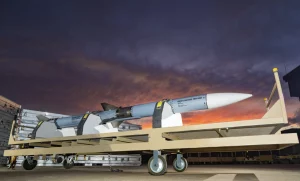
The US has warned its European allies of significant delays in arms deliveries due to depleted stockpiles.
This was reported by the Financial Times.
As the publication notes, the delays will primarily result in postponed arms deliveries to the UK, Poland, Lithuania, and Estonia.
At the same time, the US is discussing postponing arms deliveries to Asian countries, particularly Taiwan.
The delays will affect ammunition for HIMARS and NASAMS systems, as well as other critical missile systems. Both systems are actively used by US allies, including Ukraine.
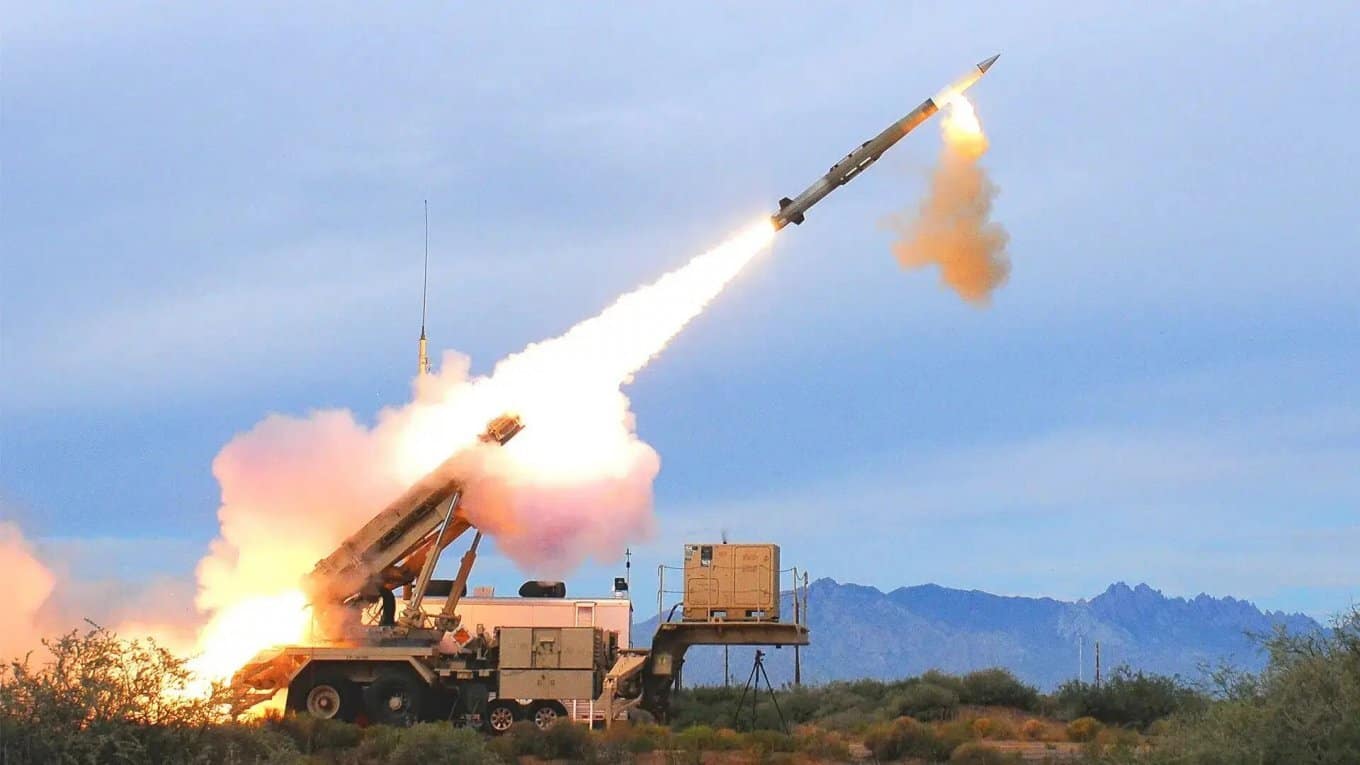
The Pentagon announced that it is reviewing new requests and existing contracts to align them with operational needs. Details are not being disclosed due to the sensitivity of the information.
The reason for this is the significant expenditure of munitions during the recent conflict with Iran. Over the course of two months, the US used large quantities of missiles and ammunition to intercept Iranian drones and missiles.
“The Pentagon may now have to wage a protracted war in the Middle East. It is also desperately seeking to strengthen deterrence in the Indo-Pacific region,” said Tom Wright, a former official in the Biden administration.
To compensate for the shortfall, the US military has already redeployed some weapons from other regions, including the Indo-Pacific. This has raised additional concerns about US global readiness.
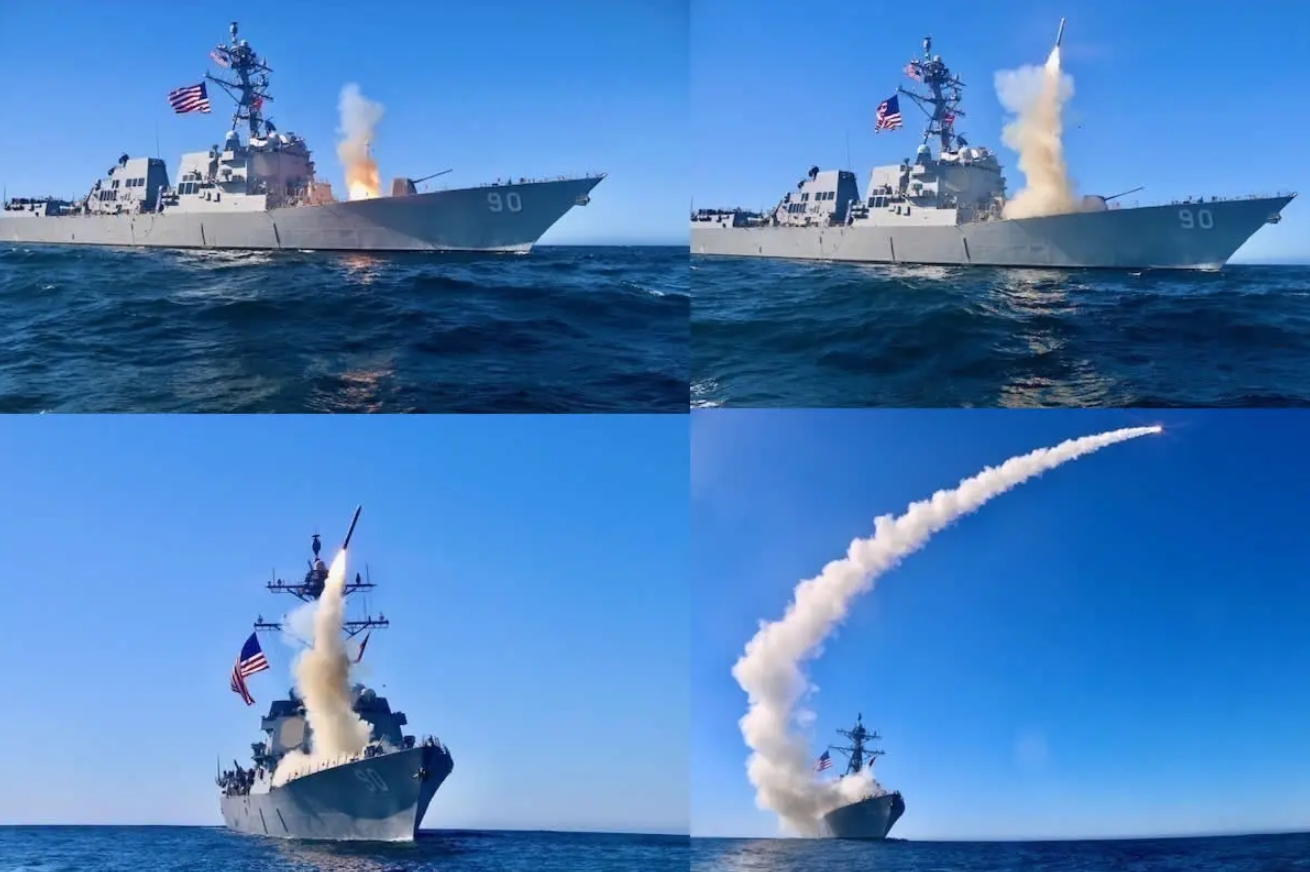
Earlier, Militarnyi reported that the he US Armed Forces spent approximately $5.6 billion worth of ammunition during the first two days of strikes against Iran.
In total, during the first days of the operation against Iran, the US military deployed hundreds of precision-guided weapons. These included, in particular, modified Tomahawk cruise missiles and modern interceptor missiles for air defense systems.
The US Central Command reported that since the start of the operation on February 28, more than 5,000 targets in Iran have been struck using over 2,000 munitions.
The first six days of the military operation against Iran cost the United States at least $11.3 billion. At the same time, the estimate did not account for the buildup of military personnel and equipment prior to the initial strikes.


