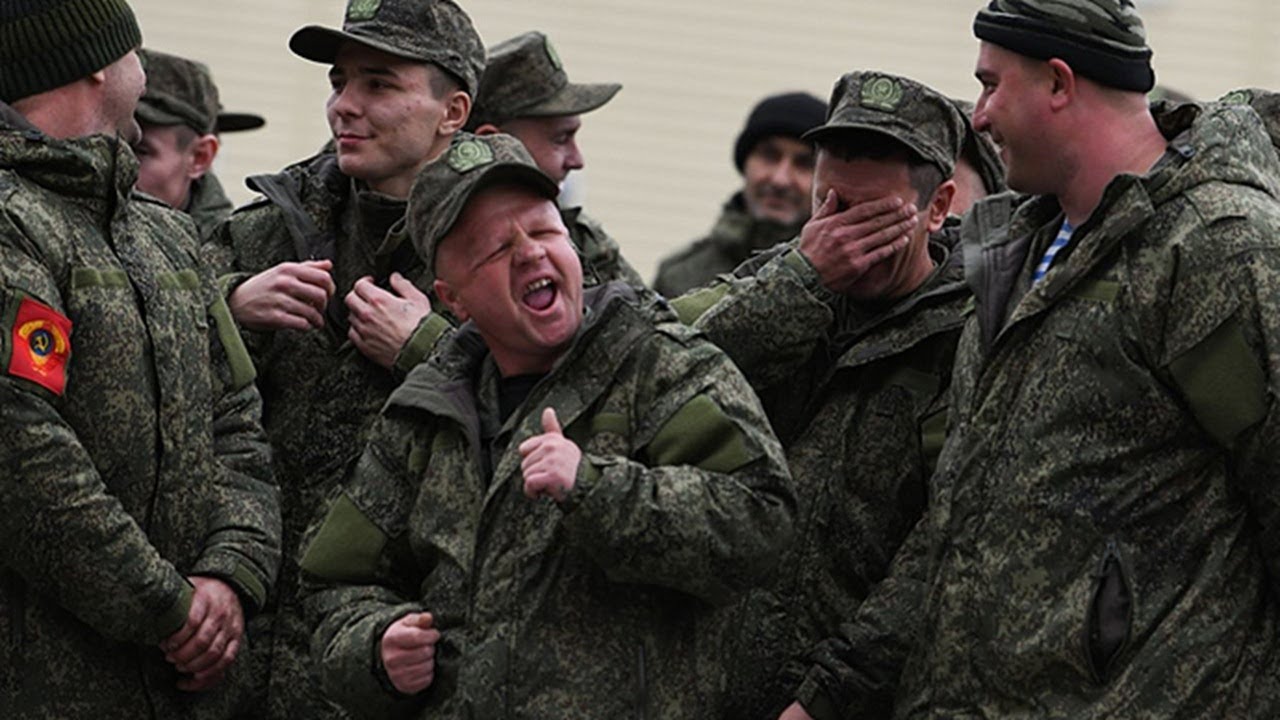
Russian military incompetence and corruption were once again exposed this week as reports emerged of a Russian battalion commander who shamelessly scammed his own soldiers and Z-volunteers, seizing humanitarian aid meant for frontline troops. Volunteer groups supporting the Russian army in Ukraine reacted furiously after discovering that the commander had stolen vital supplies, leaving troops without essentials and prompting volunteers to cut ties with his unit.
In messages leaked to independent Russian bloggers, enraged volunteers accused the commander of cowardice and theft. They revealed that he rerouted donated equipment to another department, refusing to sign necessary supply forms and sending under-equipped men to the front. “If you dare send those boys to die under false pretences, we will name and shame you across the entire country,” a volunteer warned in one message.
The fallout has severely disrupted the regiment’s logistics, as the volunteers vowed to stop all cooperation with the unit. Photos shared online showed makeshift, poorly constructed Russian combat vehicles, further highlighting the dysfunction of the Russian military machine.
Meanwhile, Ukrainian forces struck a powerful blow to Russia’s air defences, destroying a highly valuable Buk M3 air defence system just moments before it could be activated. The strike, carried out with the help of the Chry Lee Artillery Surveillance Brigade, was part of a wider Ukrainian campaign targeting critical Russian assets. Each Buk M3 unit is worth tens of millions of dollars (approximately £7.8 million), and the loss significantly weakens Russian defensive capabilities along the front.
In a separate operation, Ukraine’s elite Phoenix UAV regiment eliminated more than thirty Russian targets in a single week. This included heavy equipment, artillery, vehicles, and a critical Russian R330M1P electronic warfare station. By dismantling Russia’s ability to jam Ukrainian drone communications, the Phoenix unit has dramatically improved the effectiveness of Ukraine’s unmanned strikes, especially in the Kharkiv region.
Ukraine’s Air Force also demonstrated the power of older NATO-supplied systems. The US-made MIM-23 Hawk surface-to-air missile system successfully intercepted Russian cruise missiles and drones during a recent mass attack, proving its continued effectiveness despite its age.
Despite these clear military setbacks, the Russian dictator Vladimir Putin claimed that Russia remains one of the world’s top five arms exporters, boasting about a multi-billion dollar weapons order book.
Over 150 cases of Ukrainian prisoners of war being summarily executed by Russian forces have been documented. These include incidents where Russian troops received direct orders to murder surrendered soldiers — a practice Ukrainian officials describe as part of a deliberate, systemic policy from the Kremlin.
Elsewhere, the Slovakian nationalist party SNS sparked outrage by demanding financial compensation from Ukraine for past aid and calling on the EU to secure rights to Ukraine’s mineral wealth. Ukrainian officials condemned the move as an opportunistic betrayal during wartime.
Meanwhile, the United States and Poland continue to bolster their capabilities. The US Air Force tested F-15E Strike Eagles equipped with new, low-cost APKWS2 guided missiles designed to intercept drones. The new configuration allows each fighter to carry dozens of missiles, dramatically increasing its strike potential. Saudi Arabia has already shown interest, requesting 2,000 APKWS2 kits in a deal worth up to $100 million (approximately £78.4 million).


