

Representatives of the former Assad government are gathering militants and preparing a rebellion against the new government in Syria.
Former intelligence chief Kamal Hassan and Assad’s cousin Rami Mahlouf are trying to form new groups and organize an uprising in Syria’s coastal regions, according to a Reuters investigation.
They are also fighting for control of the network of underground weapons caches created in the last days of the dictatorship.
Assad himself has largely withdrawn from the public eye since his escape, four sources close to his family told the agency.
However, other high-ranking figures from his inner circle who are now in Russia, including his brother Maher, have not accepted the loss of power.
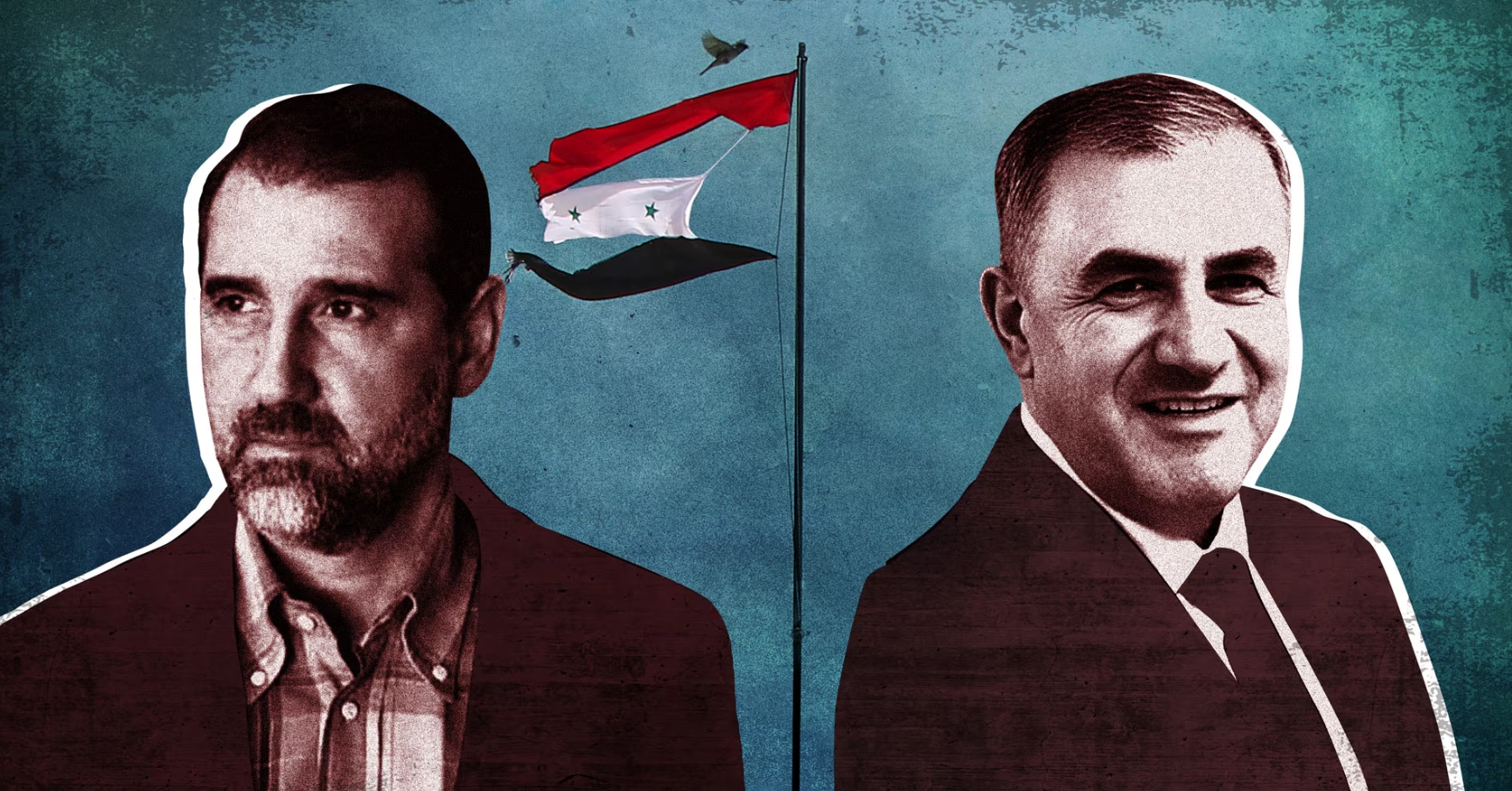
However, they act separately, competing with each other. Hassan and Makhlouf, as well as other groups fighting for power, are allocating funds in the hope of forming units of about 50,000 fighters in Syria and Lebanon.
These are representatives of the Alawites, a minority Islamic sect that is a minority in Syria, but under Assad’s rule held leadership positions in the country.
Maher, who is also based in Moscow, is counting on the help of former soldiers of the Assad army, but has not yet taken any active steps and has not allocated any money for the uprising, Reuters sources said.
During the investigation, the agency’s correspondents talked to nearly fifty people with direct knowledge of the plans of Assad’s associates, reviewed financial and operational documents, and analyzed text and voice messages.
Preparing the coup
The organizers of the potential coup, whose assistants operate in Russia, Lebanon and the UAE, are competing with each other for the attention of potential supporters and are not going to return Assad to power.
Hassan, for example, has been tirelessly exchanging calls and messages with commanders and advisors, complaining about his loss of influence and making grandiose plans for how he will govern the coastal part of Syria, where the majority of the Alawite population lives.
The power struggle continues just as it did during the Assad regime, Ansar Shahhud, a researcher who has studied the former Syrian leader’s dictatorship for more than 10 years, told Reuters.
But instead of pleasing Assad, the focus is on finding his successor and controlling the Alawite community.
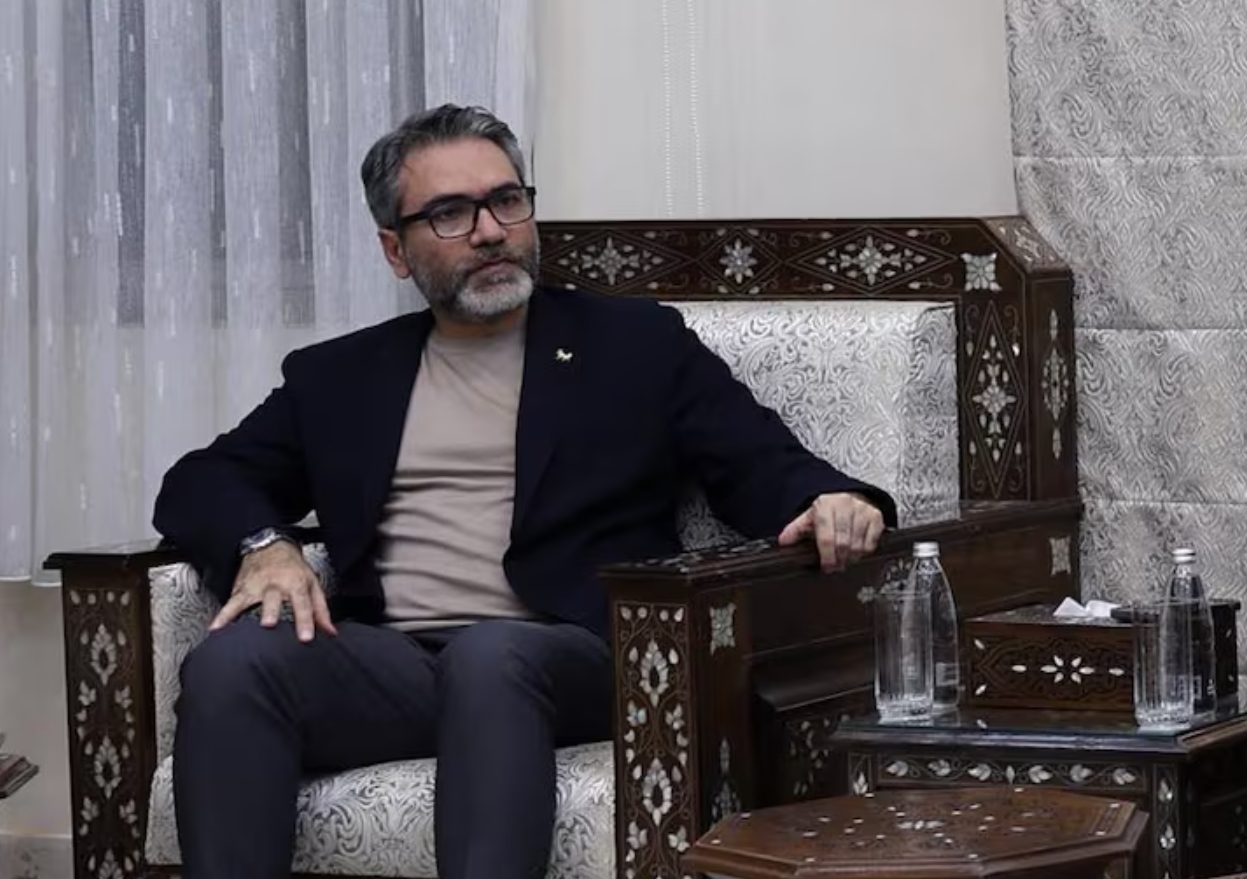
To counteract the plotters, the Syrian authorities sent Khaled al-Ahmad, who is close to both Assad and the new president, Ahmed al-Sharaa.
He was the leader of Assad’s paramilitary forces, but sided with his childhood friend al-Sharaa. Al-Ahmad’s task is to convince former soldiers and civilian Alawites that their future is linked to the new Syria.
Al-Sharaa flew to Moscow in mid-October. Putin, among other things, negotiated with him to keep Russian military bases in Latakia and Tartus. They are located on the Mediterranean coast in western Syria, with Tartus being relatively close to the Lebanese border.
In November, Russian troops arrived at the border between Syria and Israel. The new Syrian government is interested in having Russian military police resume patrolling the southern provinces of Syria.


