

Chinese aviation engineers told state media that they provided technical support to the Pakistan Air Force during hostilities with India in May 2025.
South China Morning Post reported on this.
Chinese state broadcaster CCTV aired an interview with Zhang Heng, an engineer at the Chengdu Aircraft Design and Research Institute of the Aviation Industry Corporation of China (AVIC).
The Pakistan Air Force operates a fleet of Chinese-made J-10CE fighter jets, produced by a subsidiary of AVIC. It is estimated that one of these aircraft shot down at least one Rafale fighter jet during the conflict with India.
Zhang Heng said, recalling his trip to Pakistan, that at the support base one could often hear the roar of fighter jets taking off and constant air raid sirens. In May, around noon, the temperature was already approaching 50 °C. He said they were more concerned about how to better carry out the support work on site so that the equipment could show real combat effectiveness.
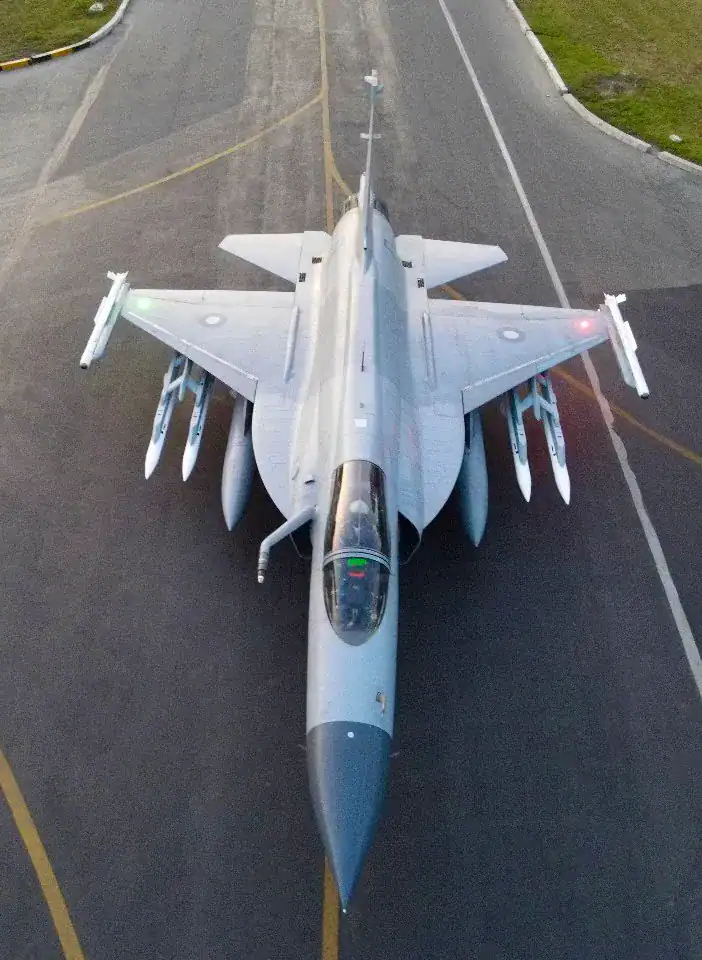
It was previously reported that China supported Pakistan in its confrontation with India, but this referred to weapons supplies rather than the deployment of specialists. Pakistan initially equipped its fourth-generation JF-17 Thunder fighters with Chinese long-range PL-15 missiles amid the Kashmir crisis.
As reported by Pakistani media outlet STRATCOM, the missiles had recently arrived from China and were to be deployed across the JF-17C fleet amid rising regional tensions. The publication also said the missiles supplied to Pakistan came from the Chinese Air Force and did not carry restrictions typical of export variants.
In addition, photos of Chinese J-10C multirole fighters in service with the Pakistani military were published. These aircraft are also equipped with PL-15 and PL-10 missiles.
May conflict between India and Pakistan
On April 22, 2025, a terrorist attack took place in the Baisaran Valley in Kashmir, in which Islamist militants killed about 50 tourists, resulting in 26 deaths.
The following day, India’s security committee announced evidence of cross-border links between the terrorist group and Pakistan. India closed the only border crossing in the region and ordered the expulsion of all Pakistani citizens within 48 hours.

However, a key decision was the suspension of the Indus Waters Treaty, which governs shared river water use between India and Pakistan.
Three days after the attack, on the night of April 24-25, the first exchange of small-arms fire occurred along the Line of Control, followed by further accusations from both sides.
The border clashes escalated into exchanges of artillery fire, missile strikes and air combat between aircraft. Fighting continued until May 10.
Pakistan claims it shot down five Indian aircraft during the conflict, partly supported by footage of wreckage from at least two Indian fighter jets.


