
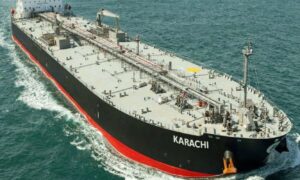
The first non-Iranian tanker has passed through the Strait of Hormuz with its transponder activated, despite the threat of an attack.
This was reported by the MarineTraffic portal, which tracks ship movements in real time.
The Karachi, carrying oil from Abu Dhabi, became the first non-Iranian tanker to pass through this strategic narrow passage while transmitting an AIS (Automatic Identification System) signal.
According to the Maritime Optima portal, the tanker is flying the Pakistani flag.
“An active AIS indicates that individual shipments are being granted coordinated safe passage,” MarineTraffic explained.

The crude oil tanker entered Iran’s exclusive economic zone on March 15 at 11:33 a.m. and crossed the Strait of Hormuz at 2:43 p.m. local time.
This passage occurred after several weeks of a significant reduction in traffic through this strategic sea route: it is reported that more than 20 large-tonnage tankers have already left the Persian Gulf.
Blockade of the Strait of Hormuz
The Strait of Hormuz is one of the key routes for oil and gas supplies from the Middle East. Since the start of the conflict in the region, tanker traffic has largely ceased.
The near-total closure of the Strait of Hormuz has led to a reduction in oil production by major producers in the Persian Gulf and a rise in energy prices. In particular, the price of Brent crude oil has exceeded $100 per barrel.
U.S. President Donald Trump previously stated that his country’s naval forces would ‘very soon’ begin escorting commercial oil tankers through the Strait of Hormuz. However, he did not specify an exact timeline.
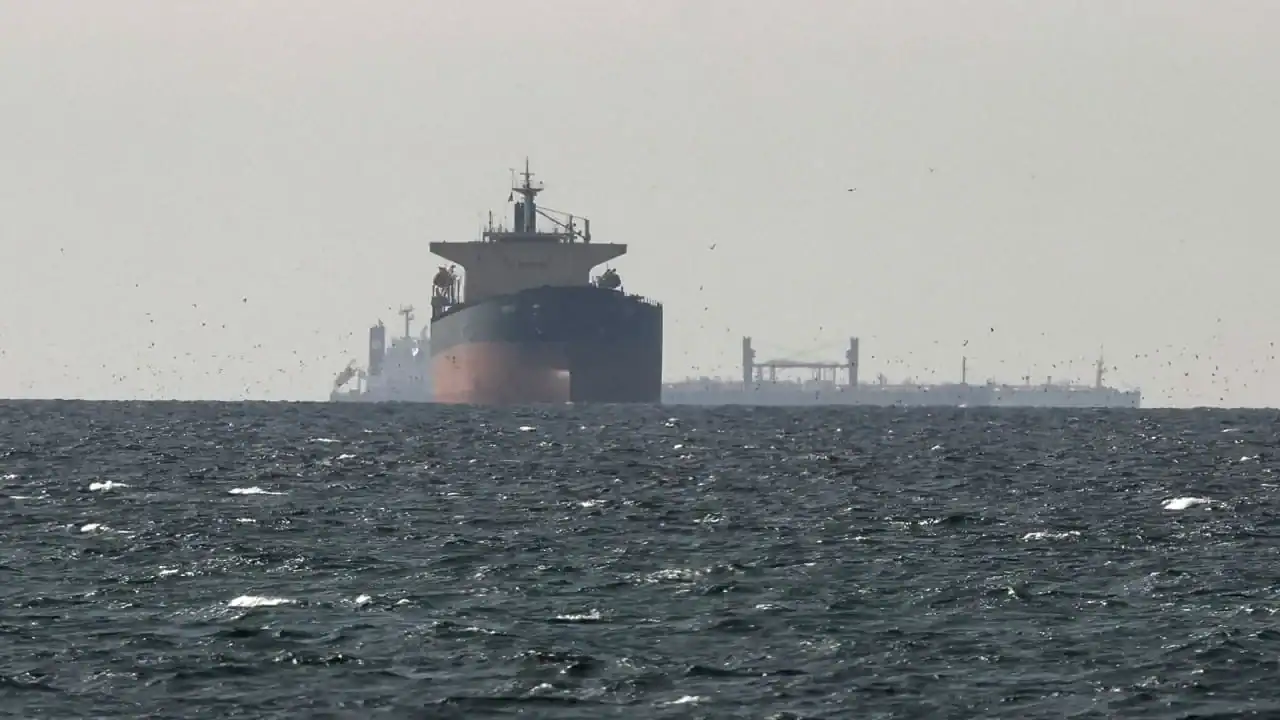
Energy Minister Chris Wright announced that the U.S. Navy could begin escorting tankers through the Strait of Hormuz by the end of March.
European Union Foreign Policy Chief Kaja Kallas noted that 85% of the oil and gas passing through the strait is destined for Asian countries. At the same time, this also creates problems for the supply of fertilizers needed for global food production.

