
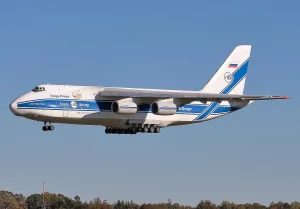
Russia’s shadow aviation fleet is using Algeria as a hub to transport weapons and sanctioned equipment.
This is according to an investigation by Defense News.
Journalists identified at least 167 cargo flights between March 2025 and April 2026.
These operations are run by a network of companies that appear to be civilian carriers but actually support military logistics, transporting dual-use goods and other restricted equipment.
Algeria has long been a close ally of Russia. Between 2018 and 2022, it sourced 73% of its weapons from Russia, making Moscow its primary military supplier.
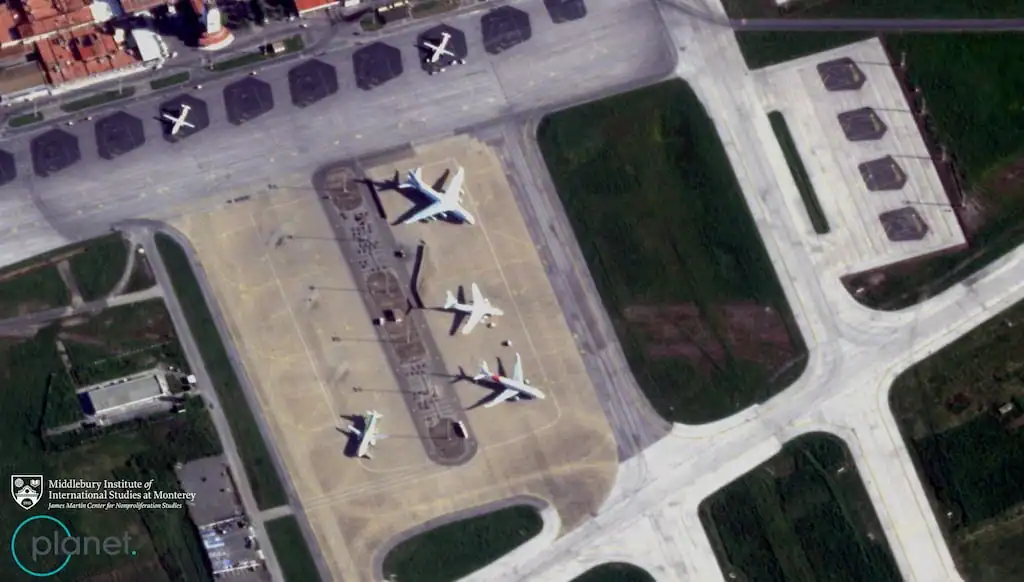
Among the equipment involved are modern Su-57 fighter jets, which Algeria has recently begun receiving, as well as Su-34 fighter-bombers. The latter have already been spotted in camouflage at the facilities of the United Aircraft Corporation in Komsomolsk-on-Amur.
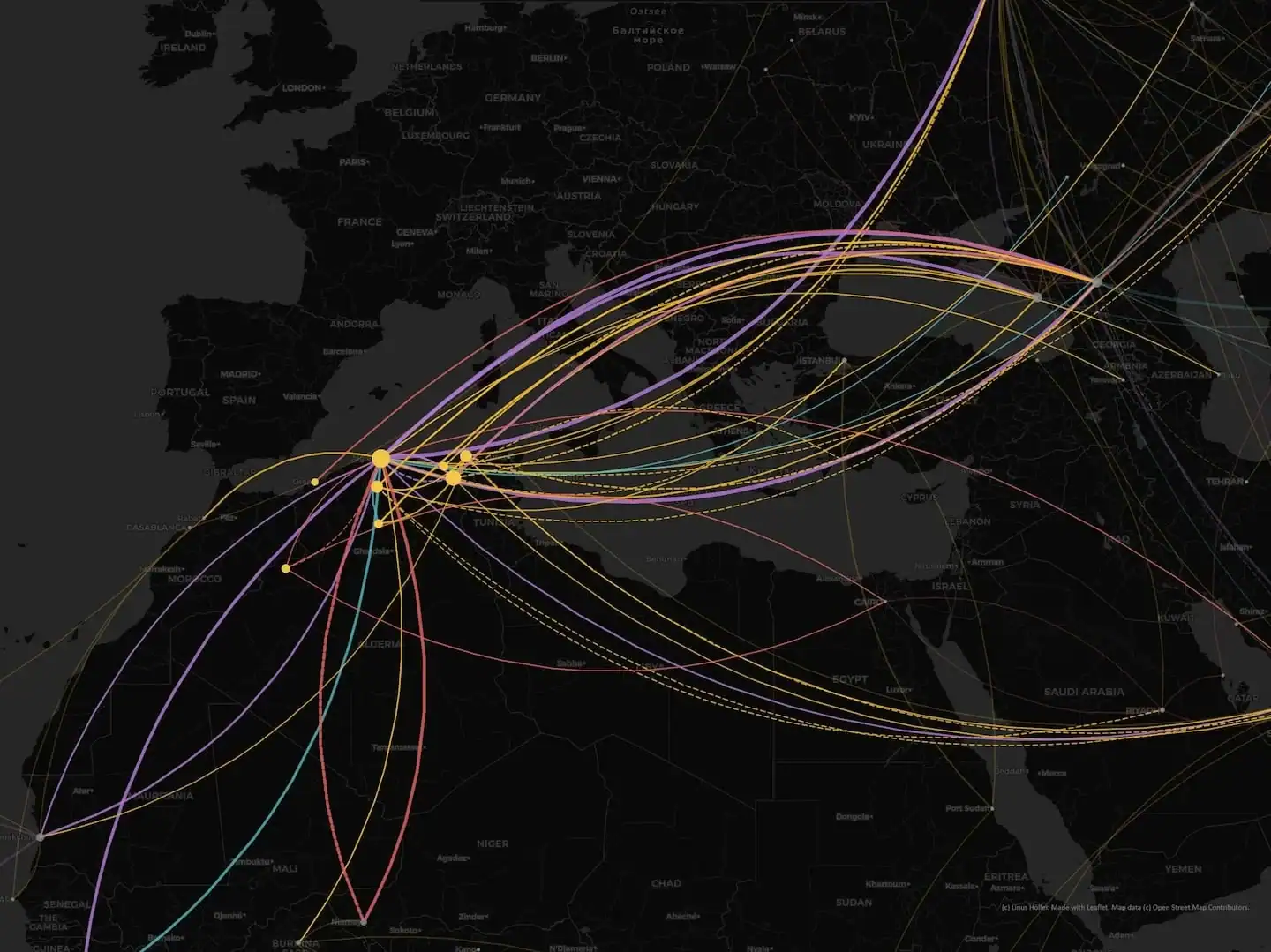
The main landing sites for Russia’s ‘shadow fleet’ include the airbases of Oum El Bouaghi, Ain Oussera, Annaba, Laghouat, and Béchar. The country also serves as a transit hub for bypassing sanctions.
Routes through Algeria extend to Africa and other regions, expanding Russia’s ability to carry out covert deliveries. For example, as part of intercontinental flights by Russian civil aviation, an Il-76TD aircraft (RA-76373) flew to Guinea in March 2025 with a stopover in Algeria.
The aircraft RA-78765 also landed there. Its multi-leg tour across Latin America included Brazil, Bolivia, Colombia, Venezuela, Mexico, and Cuba. The aircraft returned to Russia via Venezuela, Mauritania, and the Annaba airbase in northeastern Algeria.
The investigation reveals a wide-reaching Russian logistics network in Africa that supports its military presence in the region, supplying equipment and resources for Russia’s so-called ‘African Corps.’
A key operator is Aviacon Zitotrans, a cargo airline under sanctions from the United States, Canada, and Ukraine.
Militarnyi previously reported that Russia has built a large-scale air logistics system. Civilian cargo flights are being used to deliver critical components for its military-industrial sector.
This ‘shadow air bridge’ allows regular shipments of electronics and dual-use equipment while bypassing export restrictions.
To speed up deliveries, Russian operators rely on civilian aircraft, which are harder to monitor than sea shipments.
The system works through layered logistics: goods are bought via intermediaries, routed through third countries, and relabeled with new documentation to conceal their origin.


