
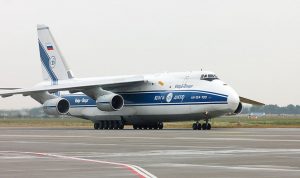
Russia has set up a large-scale air logistics network to bypass sanctions, using civilian cargo flights to deliver critical components to its military-industrial sector.
This was pointed out in an investigation by Dallas Analytics.
At the center of the scheme is a so-called “shadow air bridge” – a network of regular cargo flights that bring electronics, equipment, and other dual-use goods into Russia, avoiding direct export restrictions.
Russian entities rely heavily on civilian cargo aircraft for these shipments. This allows high-tech products to be delivered quickly, while making the operations harder to track than shipments by sea.
The system uses a multi-layered logistics chain with shell companies. Goods are purchased through intermediaries and then sent to third countries, where their paperwork and declared origin are altered before being forwarded to Russia.
Transit hubs outside Russia play a key role in these operations, particularly in the Middle East, the Caucasus, and Central Asia. These regions are used to re-export goods to Russia.
From there, the cargo is flown to Russian airports. In some cases, additional transit routes are used to disguise the logistics, making it harder to identify the final destination.
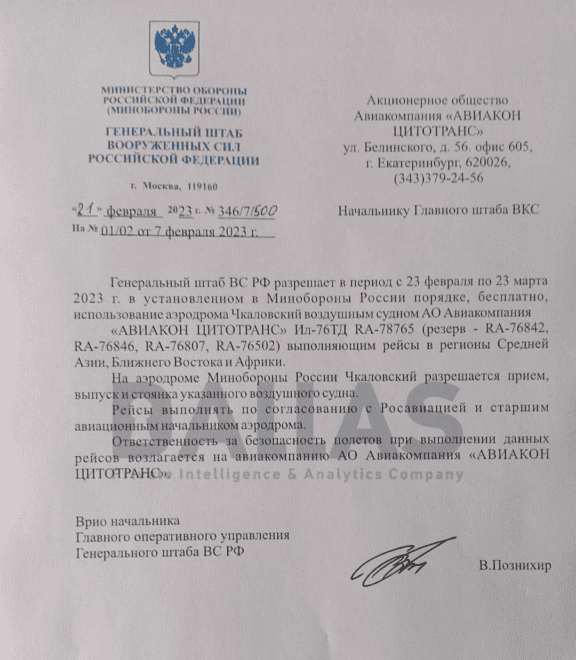
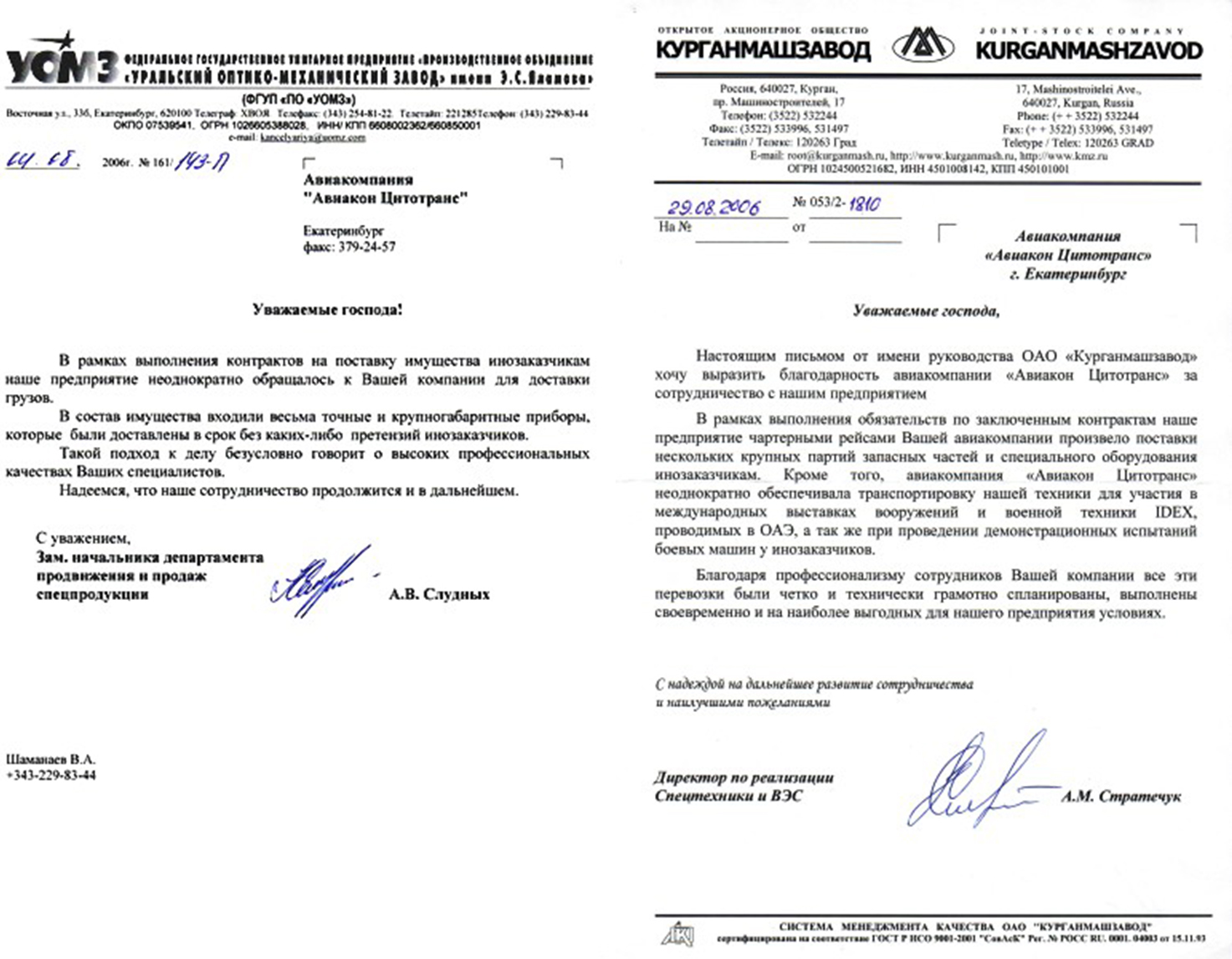
One example is Aviacon Zitotrans, though it is not unique. The company is part of a broader ecosystem of private operators engaged by the Russian Ministry of Defense. This network handles both domestic and international transport.
It also includes Abakan Air, which the U.S. Treasury sanctioned in June 2024 for transporting weapons. The company has also been accused of supporting Russian private military companies’ operations in Africa.
Another major player is Volga-Dnepr Group. After losing access to Western airspace and having assets seized, the company shifted from global operations to serving military and state contracts within Russia.
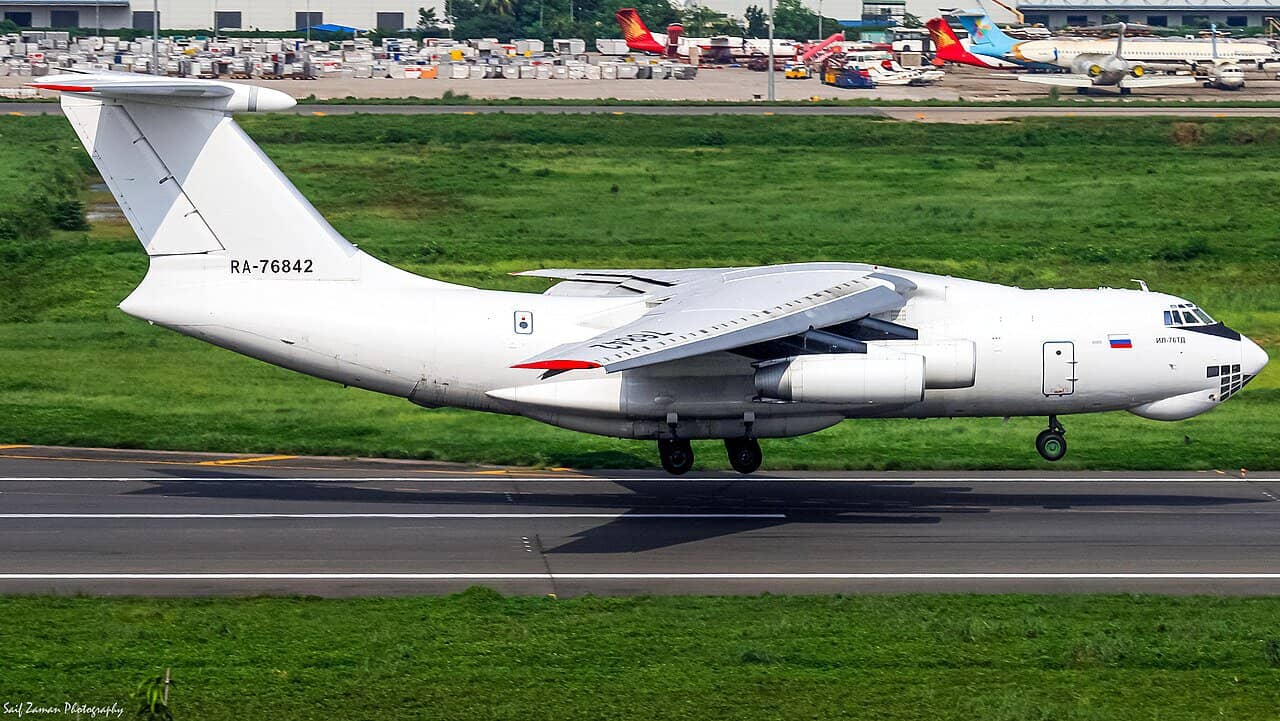
Smaller airlines are also involved. For example, Gelix Airlines operates charter flights for military needs. These flights are often low-profile and irregular, making them harder to track.
Analysts say the main cargo includes microelectronics, aircraft parts, and other components used in weapons production. This helps Russia partly work around sanctions.
Using air transport significantly speeds up deliveries. This is critical for keeping military production running without interruptions, making the supply chain faster and more flexible.
Analysts emphasize that this scheme is systematic rather than occasional. It shows how Russia’s economy has adapted to sanctions pressure, even as supply chains become increasingly difficult to monitor.
According to Dallas Analytics, the “shadow air bridge” has become a key tool for supporting Russia’s defense industry. It ensures steady access to critical technologies, allowing the country to continue weapons production despite international restrictions.
Militarnyi previously reported that journalists had identified 160 Russian companies purchasing Western components and equipment for the needs of the country’s military industry.
Customs data shows that in 2024, around 10,000 Russian firms imported sanctioned goods worth more than $22 billion. Over 2,000 of them were found to be contractors for leading defense-sector enterprises. Direct supplies from these contractors to military factories are estimated at more than 80 billion rubles (about $1 billion).

