

The $3 billion procurement of German IFVs from Rheinmetall has sparked suspicions in Romania regarding artificial restrictions on competition and a lack of transparency in the tender.
This is reported by Defence Industry Europe.
The publication notes that the terms of the competition may have been designed to effectively guarantee the German manufacturer’s victory even before the evaluation of bids was completed.
This raised doubts about the integrity of the process and its compliance with open defense procurement standards.
The main competitor was a South Korean bid associated with Hanwha Aerospace. It included not only infantry fighting vehicles but also a comprehensive solution with additional support systems.

Such a comprehensive proposal was assessed as more advantageous from the perspective of long-term modernization of the armed forces, but it did not receive proper consideration due to tender restrictions.
Rheinmetall is the only company that received a Request for Information (RFI) from the Romanian government regarding the IFV program.
The publication notes that other potential suppliers were not even allowed to participate in the process.
Official representatives of the Romanian government currently reject allegations of manipulation, emphasizing that the procedure complied with current legislation and NATO standards.
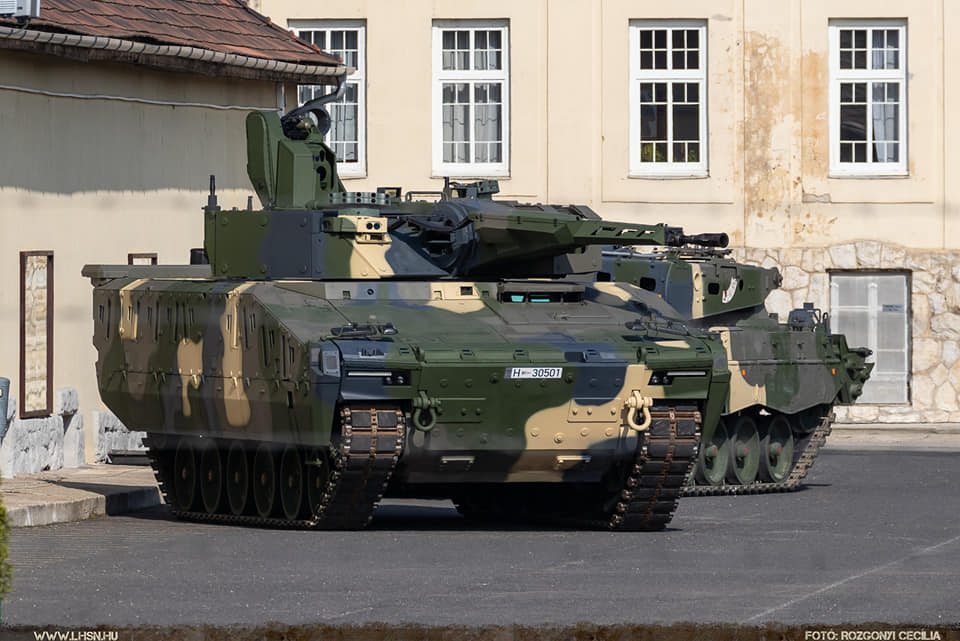
The MLI program is one of the largest modernization projects for Romania’s ground forces in recent decades. It was intended to be not only a matter of armament but also a powerful impetus for the development of the national defense industry, job creation, and technology transfer.
Instead, the Lynx platform offered by Rheinmetall is manufactured primarily at a plant in Hungary. Thus, a significant portion of the industrial benefits and jobs will remain outside Romania.
Earlier, Militarnyi reported that German defense giant Rheinmetall is expanding its cooperation with Romania. The country will purchase Lynx combat vehicles, and part of their production will be localized at Romanian facilities.
A total of 298 Lynx units will be purchased, at least in the first phase, of which 46 are different variants based on the same chassis.


