
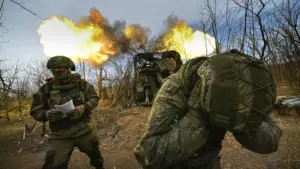
On April 9, Russia announced an ‘Easter truce’ along the front line.
According to the plan, occupying forces were to cease fire at 4:00 p.m. on April 11, with the truce lasting until the evening of April 12.
Ukraine’s Defense Forces agreed to respond in kind. Ukrainian troops said they would observe the ceasefire as long as the enemy did not launch attacks.
“Ukraine will observe the ceasefire and act strictly in a reciprocal manner. The absence of Russian strikes in the air, on land, and at sea will mean there will be no response from us,” emphasized Volodymyr Zelensky.
Evening of April 11
Despite public statements, the occupiers ignored their own promises. In the first hours of the supposed ceasefire, the enemy carried out hundreds of shelling attacks and dozens of assaults.
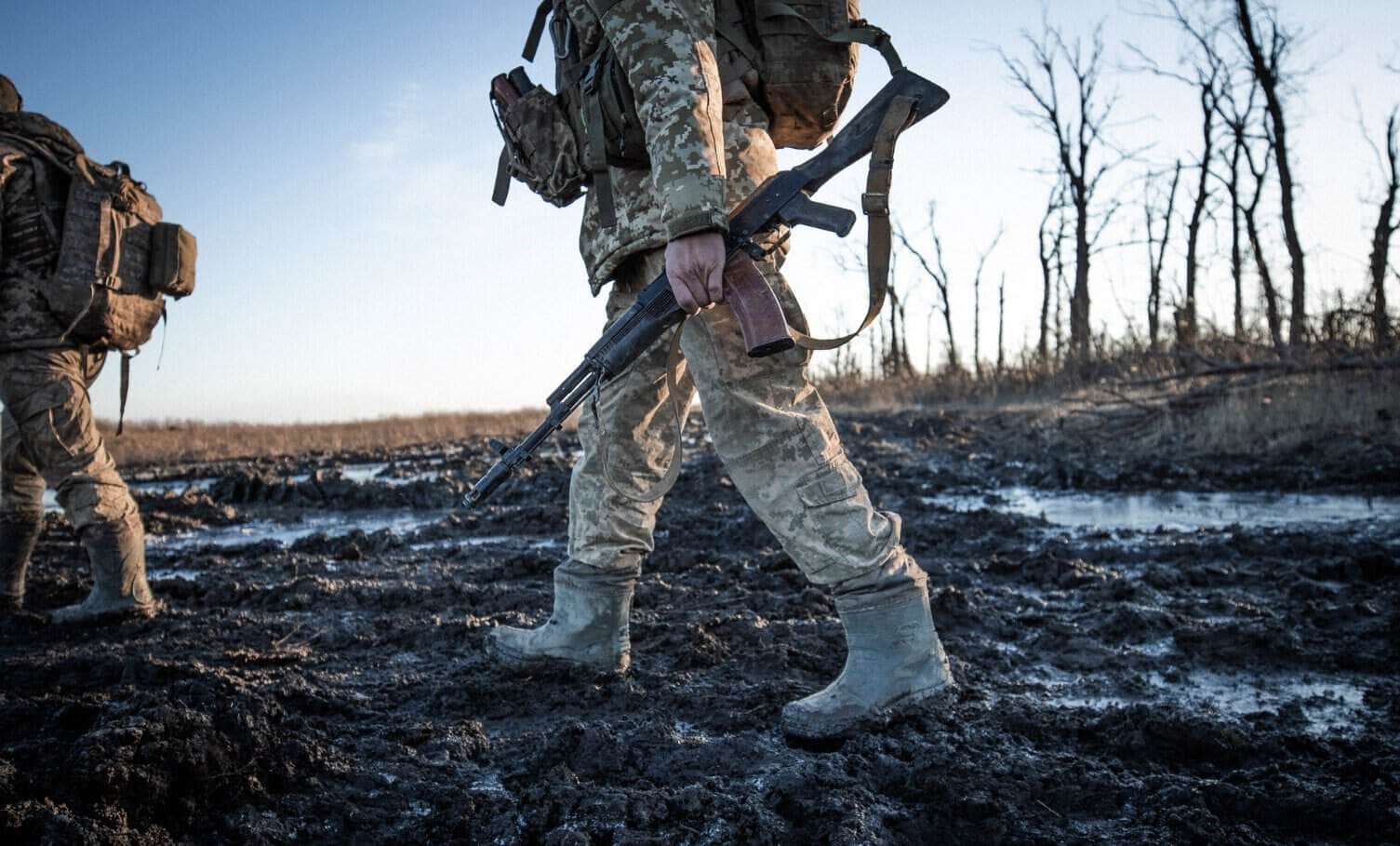
The General Staff of the Armed Forces of Ukraine reported that between 4:00 p.m. and 10:00 p.m. on April 11 alone, the Russian forces violated the ceasefire 469 times.
Russian troops carried out 22 assaults on Ukrainian positions. They also launched 153 artillery strikes.
Russian units temporarily refrained from missile strikes and attacks using guided bombs.
They also did not use Shahed- or Gerbera-type strike drones. Instead, the aggressor employed other types of weapons to attack positions.
The invaders carried out 275 strikes using FPV drones against Ukrainian defenders. The enemy also deployed 19 Lancet- and Molniya-type drones.
April 12
Missile and drone attacks
The following day, April 12, the situation in the skies over Ukraine remained relatively calm in terms of aerial attacks. No missile strikes were recorded that day.
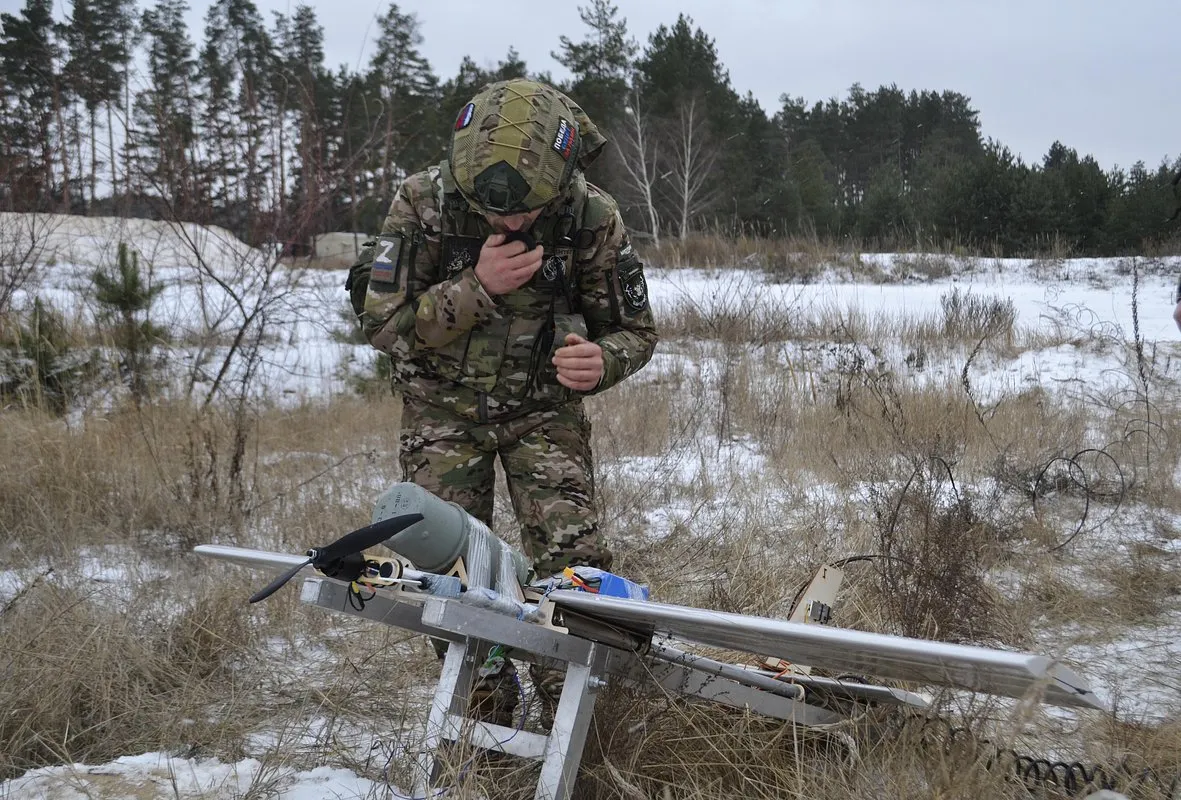
The Air Force detected only one enemy UAV in the airspace. The drone was heading toward Sumy.
War crimes
Meanwhile, on the ground, Russian troops committed further war crimes. Near the settlement of Veterinarne in the Kharkiv region, the occupiers shot four Ukrainian prisoners of war.
The attackers entered positions held by one of the Ukrainian Armed Forces’ mechanized brigades, where they deliberately killed the soldiers with automatic weapons.
The Office of the Prosecutor General has launched a pre-trial investigation. Investigators are thoroughly examining the alleged violation of the laws and customs of war.
Radio intercepts revealed plans by the Russian command to deny the crime. The enemy was preparing disinformation efforts to accuse Ukrainian forces themselves of carrying out the execution.
Another crime was committed by Russian invaders near Huliaipole in the Zaporizhzhia region. The invaders killed an evacuation team just a few kilometers from the line of contact, completely ignoring humanitarian agreements.
In contrast, soldiers of the 24th Brigade named after King Danylo in Chasiv Yar allowed the enemy to carry out an evacuation and retrieve the bodies of their fallen soldiers.
Course of hostilities
Overall, since the beginning of the ‘ceasefire,’ the General Staff of the Armed Forces of Ukraine has recorded 10,721 violations by Russian forces. The highest number of combat engagements was reported in the Pokrovsk, Kostiantynivka, and Huliaipole directions.
On April 12 alone, the occupiers carried out 91 combat engagements, launched 115 assault operations, and used more than 4,700 kamikaze drones. This confirms that the ceasefire was ignored at the tactical level.

The enemy used the ‘pause’ on certain sections of the front to its advantage. According to the OSINT resource DeepState, Russian forces evacuated wounded and killed soldiers, delivered ammunition, carried out rotations, and reinforced their positions.
In some areas, the enemy did not conduct assaults but instead sent out groups carrying white flags. Such activity was particularly frequent in the Huliaipole sector.
In the area of responsibility of the 118th Brigade in the Zaporizhzhia region, the enemy did not stop shelling. Russian units systematically used FPV drones and Molniya strike UAVs, attempting to hit equipment in the city of Orikhiv and its surroundings.
Meanwhile, the enemy used the ‘ceasefire’ for its own purposes – moving personnel closer to the front line and attempting to clear minefields and engineering obstacles. According to the 118th Brigade, all these attempts failed.
Therefore, just on April 12, interceptor units of the 118th Mechanized Brigade destroyed 14 enemy UAVs, including 12 Molniya-2 drones, as well as ZALA and Knyaz Veshchiy Oleg drones.
“This is a typical daily result that does not differ from days without any ‘ceasefires,’” the brigade reported.
Conclusion
Experience from previous years shows that Moscow uses such pauses to regroup units and redeploy reserves. In 2025, Russia also declared a similar ceasefire, which ended with nearly three thousand violations in a single day.
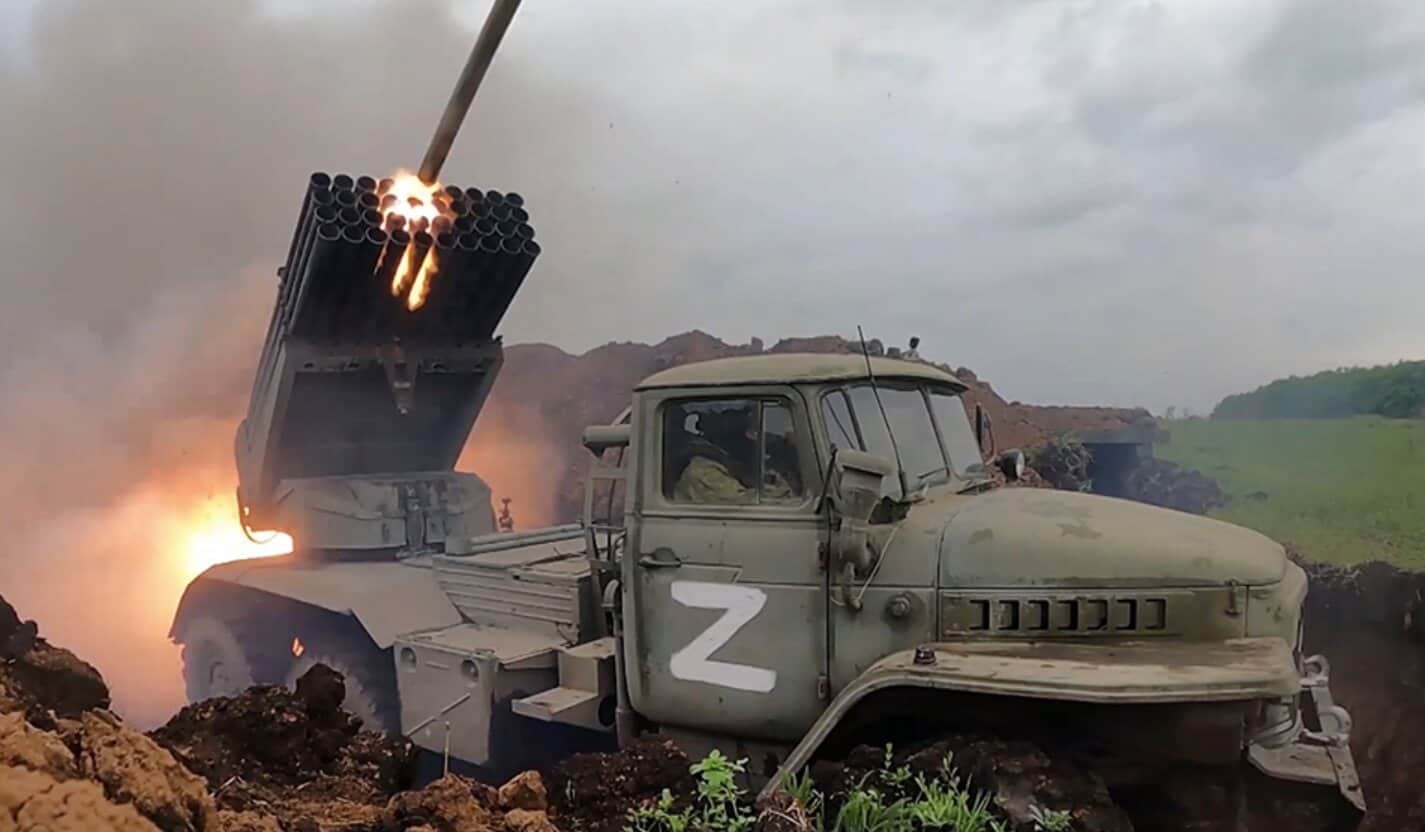
During the ‘ceasefire’ on April 11–12, there was indeed a lack of missile and deep-strike drone attacks inside the country. However, on the ground, the situation remained unchanged. The only exceptions were isolated cases in which Russian units were allowed to evacuate the bodies of their killed soldiers, which they took advantage of.
The Ukrainian Defense Forces continued to carry out their missions, responding to enemy attacks with return fire.


