
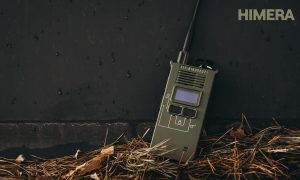
Ukrainian communications systems manufacturer HIMERA has successfully conducted a field experiment in the United States in accordance with NATO standards.
The company reported that the tests were conducted at ADK Battlelab and the National Security Research Center in collaboration with the US Air Force and Unconventional Concepts.
During the tests, the tactical communications system was tested in an operational environment relevant to NATO standards.
The experiment, called Operation Fuzzy Bunny, was part of the Future Flag training series.
During the training, the Ukrainian communications system became the main tool for coordinating units.
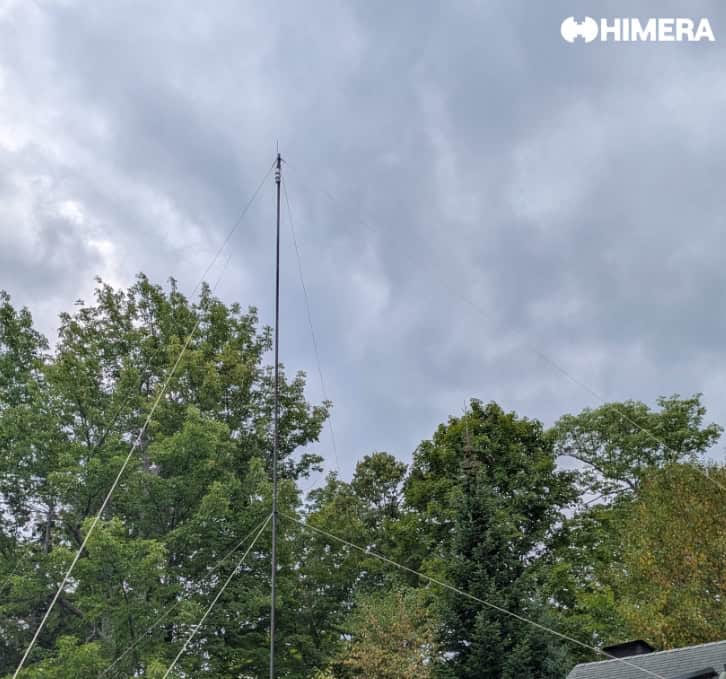
“The system quickly integrated into work processes and was used throughout the experiment after minimal training,” the developers say.
The radio stations and autonomous repeaters received positive feedback for their compact size and energy efficiency.
The ease of deployment and intuitive operation of the system allowed teams to fully control the network after only a brief introduction.

“This testing confirmed that solutions created in real combat conditions remain effective in an allied environment,” said Misha Rudominsky, co-founder and CEO of the company.
Order for HIMERA
The company previously reported on the successful completion of a government order for the defense ministry of a European NATO member country, which has decided to remain anonymous for now.
The company is developing a comprehensive ecosystem of products, including:
- G1 PRO portable radio station — over 48 hours of battery life;
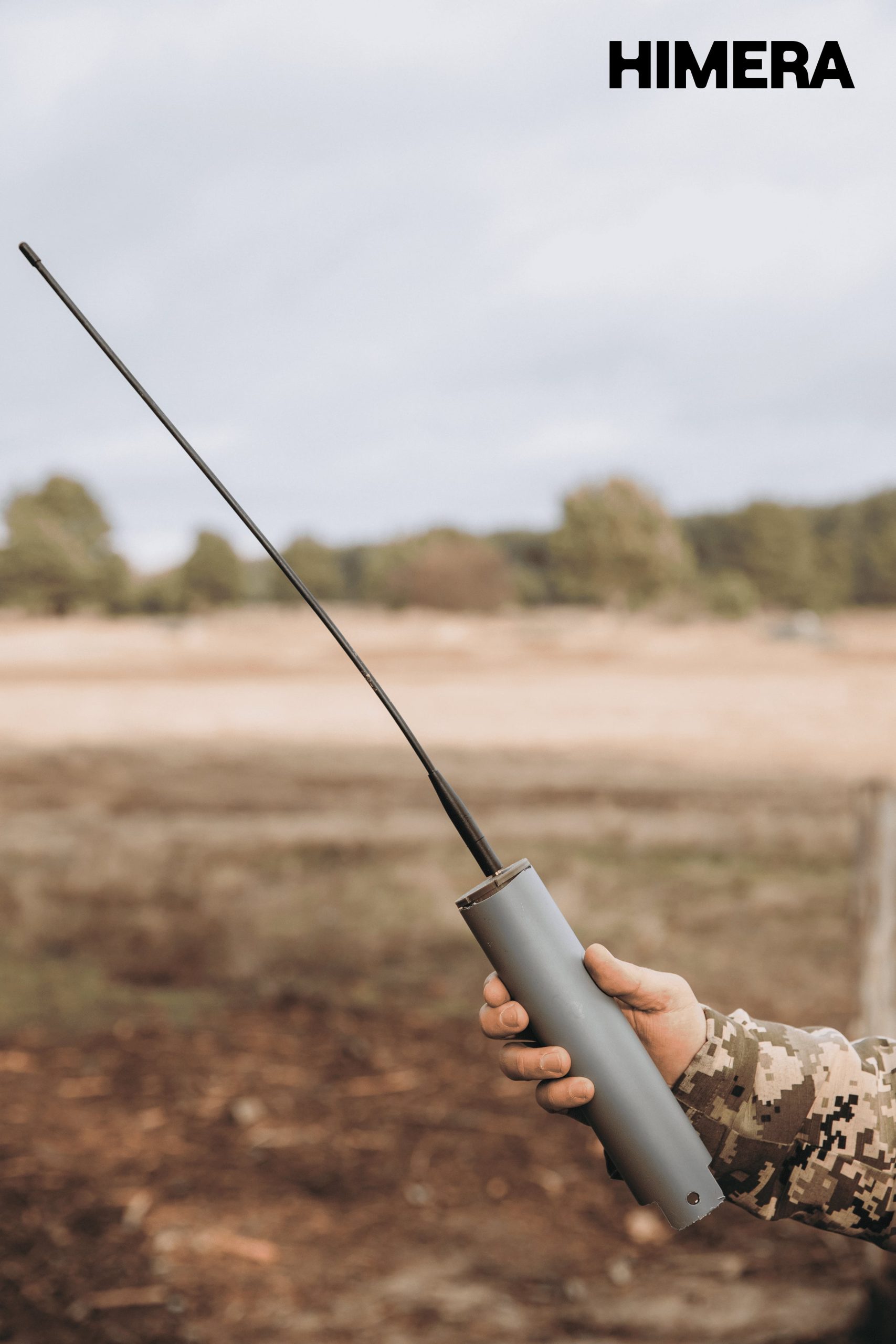
- B1 autonomous repeater, ready to use “out of the box”;
- R1 repeater with the ability to relay the Internet and wirelessly configure the entire network.
As part of the order, the team conducted comprehensive training for local communications units and military personnel. Based on the results of the cooperation, the country is considering the possibility of further integrating the systems into a wider range of its units.


