
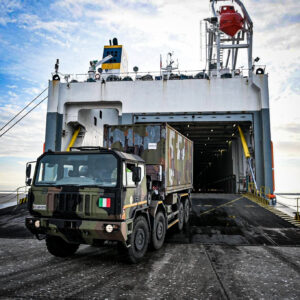
Germany has launched the modernization of Europe’s largest autoport in Bremerhaven to enable the reception of military equipment.
Bloomberg reported on this.
The cost of the program is estimated at €1.35 billion. The project is included in Germany’s 2026 budget and is part of broader efforts to prepare for a potential military scenario.
In the event of an attack, Germany’s central location and industrial capacity provide strategic advantages for supplying troops with equipment and resources.
At the same time, there are significant limitations. In addition to problems with road and rail infrastructure — around 5,000 bridges require repair — the Bundeswehr is not yet prepared for the large-scale public-private partnership needed for rapid mobilization in the event of an attack on a NATO ally.
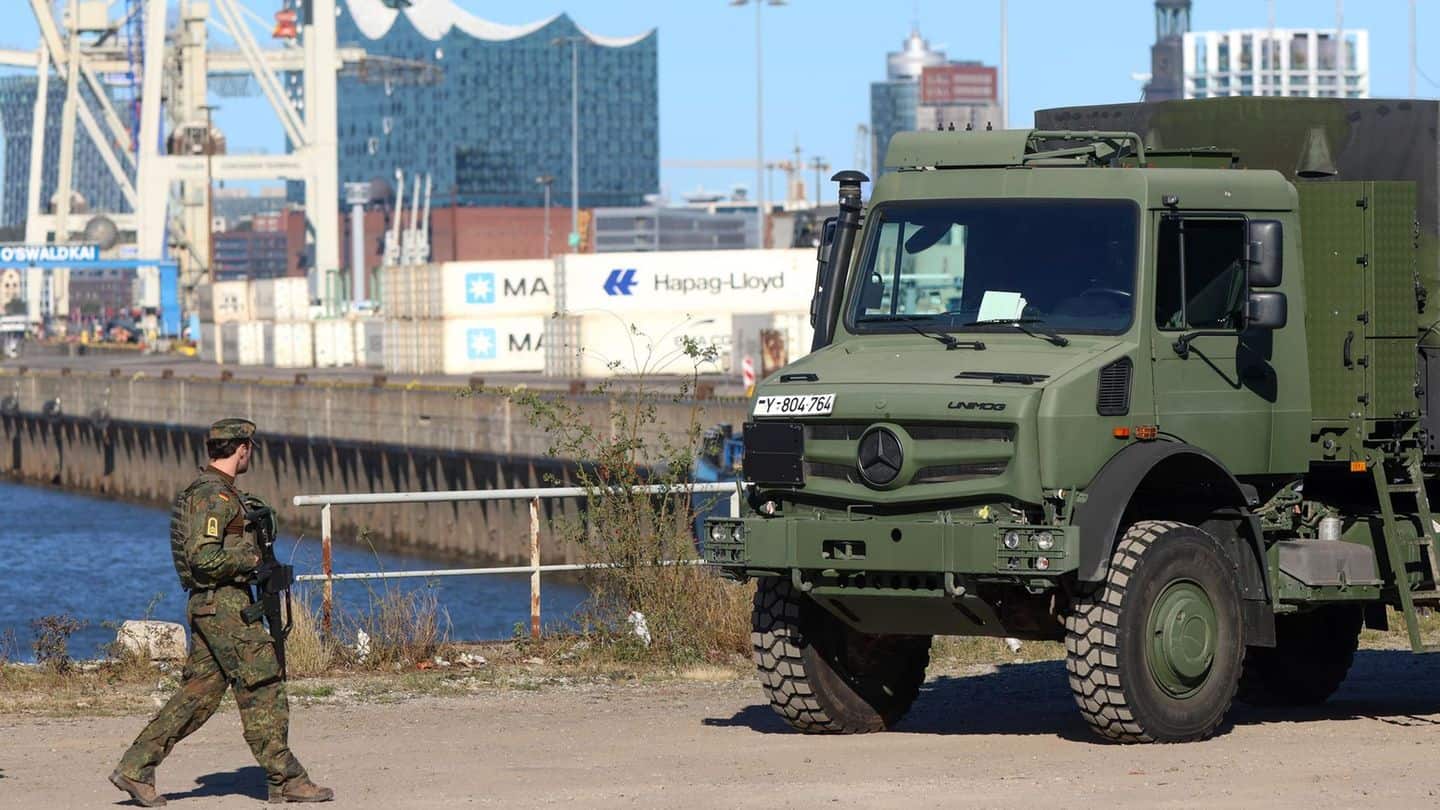
Historically, civilian and military structures in Germany have been strictly separated. The Bundeswehr has its own logistics command, and only the military can deliver equipment directly to a combat zone. However, these barriers are gradually being reduced.
Despite stated intentions, the process is progressing slowly. Private sector involvement is complicated by bureaucratic procedures developed by the military and poorly understood by businesses. State authorities also engage with potential partners only to a limited extent, in part to avoid accusations of preferential treatment.
The Bundeswehr procurement agency (BAAINBw) does not maintain direct contact with companies. Interaction takes place exclusively through official procurement platforms.
The government is seeking to expand civilian sector participation. A milestone was the Operational Plan for Germany, completed in March 2024. The document defines the role of private companies in national and allied defense, including logistics support for hundreds of thousands of troops.
At the same time, the plan remains classified, and logistics companies only have access to limited sections. This makes it difficult to understand how businesses can contribute to its implementation.
According to Niels Beuck, deputy director of the German logistics association DSLV, preparations for war involve significant bureaucratic burdens. Companies are required to provide detailed data on fleets, warehouse capacity, and personnel, while the state’s transparency remains limited.
In late 2025, members of the European Parliament called for the removal of internal EU borders to facilitate the movement of troops and military equipment, thereby strengthening deterrence against Russia.


