
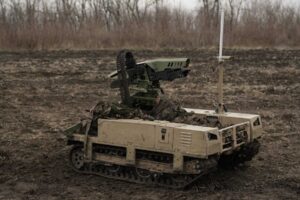
The Ukrainian company HIMERA, in collaboration with Tencore, has developed a digital radio communication module for controlling ground-based robotic systems.
This was reported by Maksym Vasylchenko, co-founder and CEO of Tencore, on the Militarnyi podcast Zbroya.
According to him, while fulfilling its first government contract, Tencore invested heavily in Ukrainian companies, commissioning them to develop the necessary components.
“Take HIMERA, for example; they developed digital communications so we could gradually move away from China. We came up with the ‘Chayna na Fri’ program, and we’re moving forward with it. HIMERA is providing us with digital communications, and it’s already up and running,” he said.
According to the plan, the UGV Termit 2.0 with domestic digital communications will be integrated and delivered under a government contract this year.
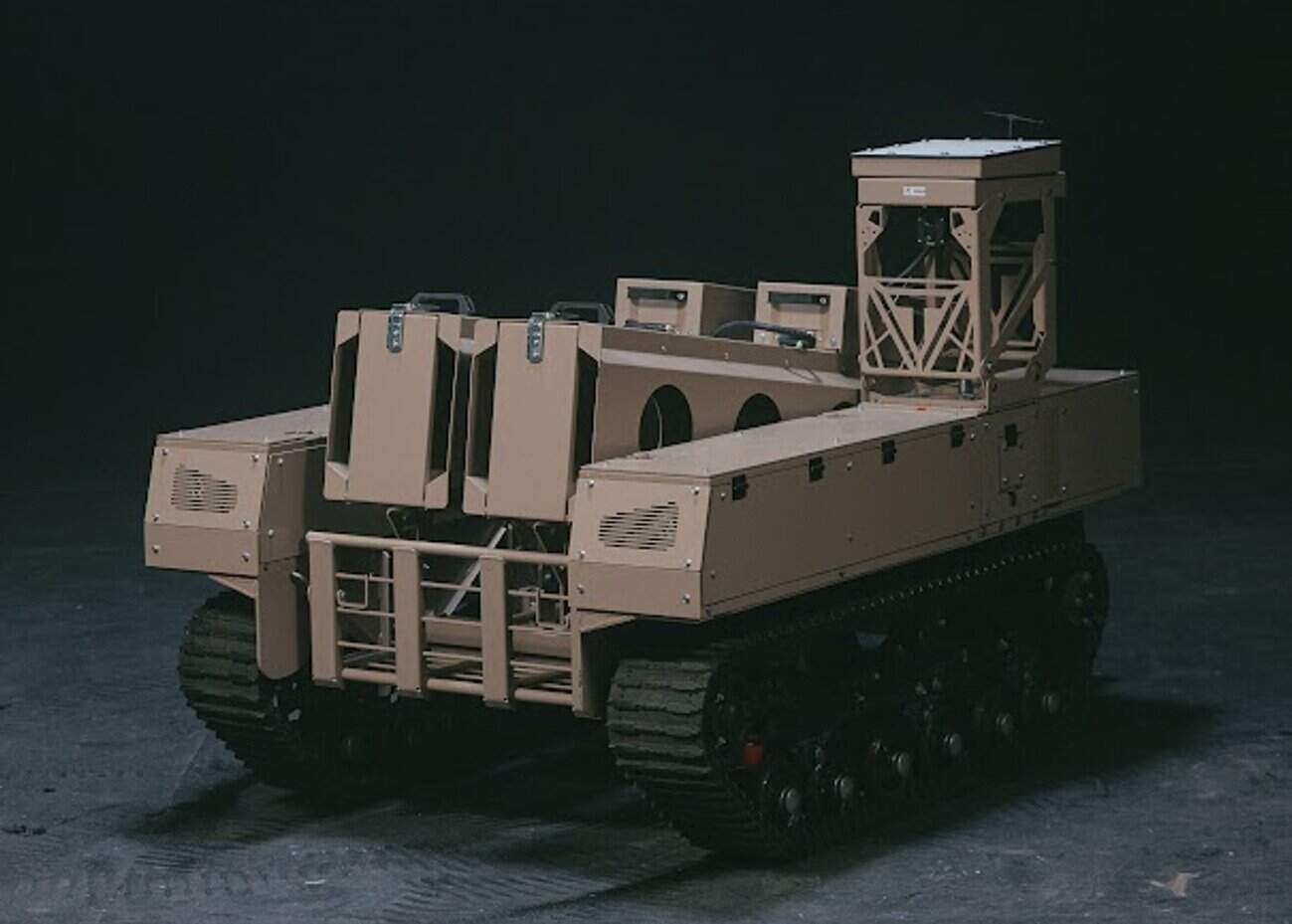
It is known that HIMERA and Tencore entered into a partnership in June 2025. As HIMERA stated at the time, “The synergy between expert teams yields new solutions adapted to combat conditions, flexible in implementation, and resilient to interference. Such partnerships are transforming the logic of defense technology development in Ukraine through the exchange of visions, joint development, and trust.”
In addition to providing communications for ground-based robotic systems, the company signed an agreement in late April 2026 to collaborate with Swarmer, a Ukrainian developer of software for drone autonomy.
The strategic partnership involves the development and integration of resilient communications based on mesh networks into Swarmer’s new-generation autonomous stack to provide connectivity for UAV swarms.
As a reminder, in early May it was reported that HIMERA had launched production of R1 repeaters, which enable communication between remote radio stations.
The equipment features built-in encryption and a pseudo-random operating frequency hopping system, which significantly complicates traffic decoding, as well as the detection and jamming of communications by electronic countermeasures (ECM) and electronic warfare (EW) systems.
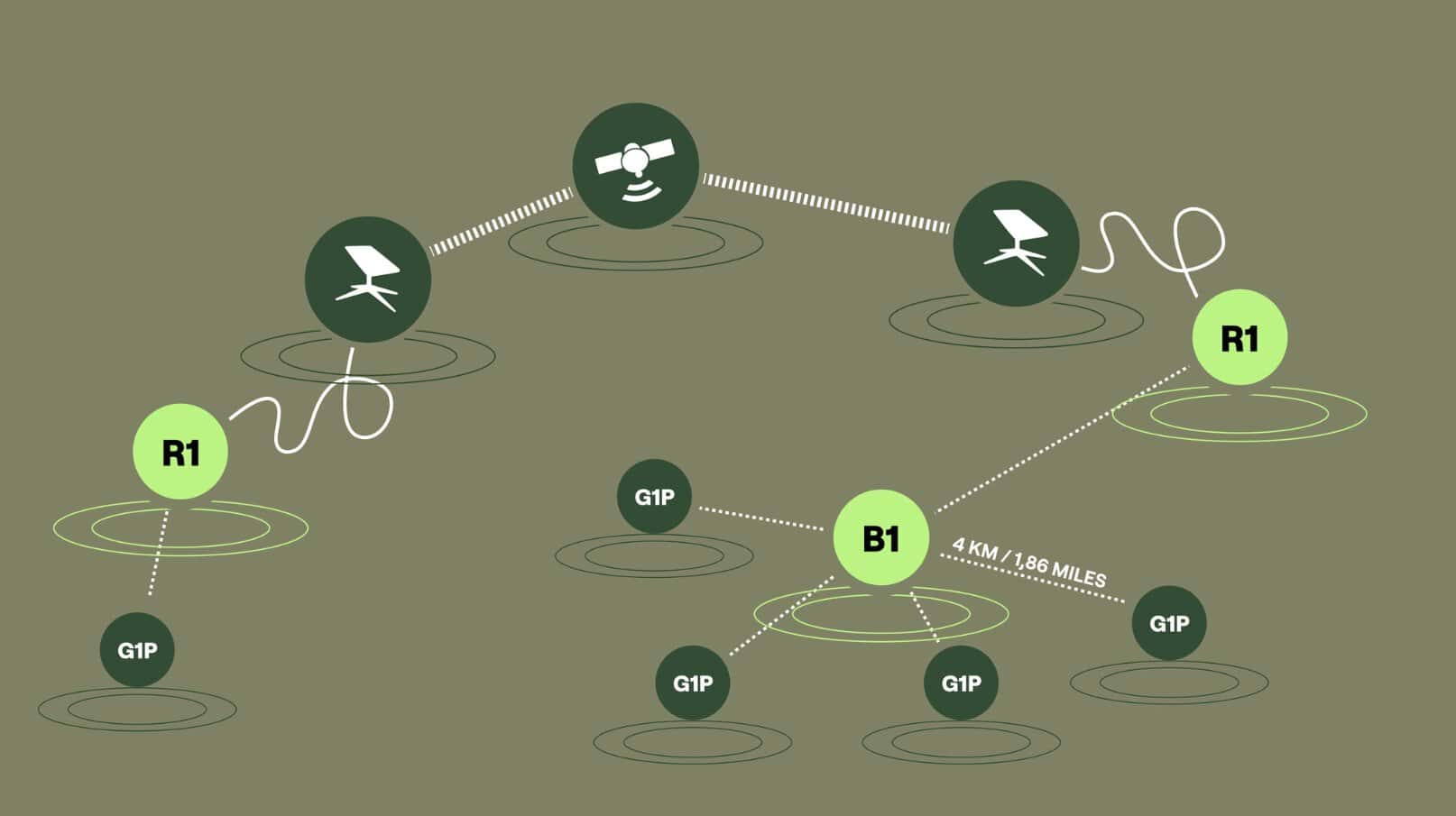
The company also introduced the E1 IP network extender, designed to directly connect two IP networks or systems that transmit IP traffic via a secure radio data channel.
The E1 module is used for data exchange with cameras, sensors, UGVs, and drones, as well as for creating IP networks between departments. The device can expand its coverage area through the use of autonomous B1-101E repeaters.


