
Japan is seeing increased interest from other countries in its decommissioned military equipment after a historic easing of arms export restrictions, Japan’s Chief Cabinet Secretary Minoru Kihara told Nikkei Asia.
The Japanese government has lifted restrictions across five categories, paving the way for the export of lethal weapons for the first time since World War II.
“While Japan remains committed to its fundamental principle of being a peaceful nation, this transfer of equipment will contribute to strengthening deterrence and response capabilities in the region,” Kihara said.
Previously, exports were limited to five non-combat categories: rescue, transport, warning, surveillance, and mine-sweeping equipment.
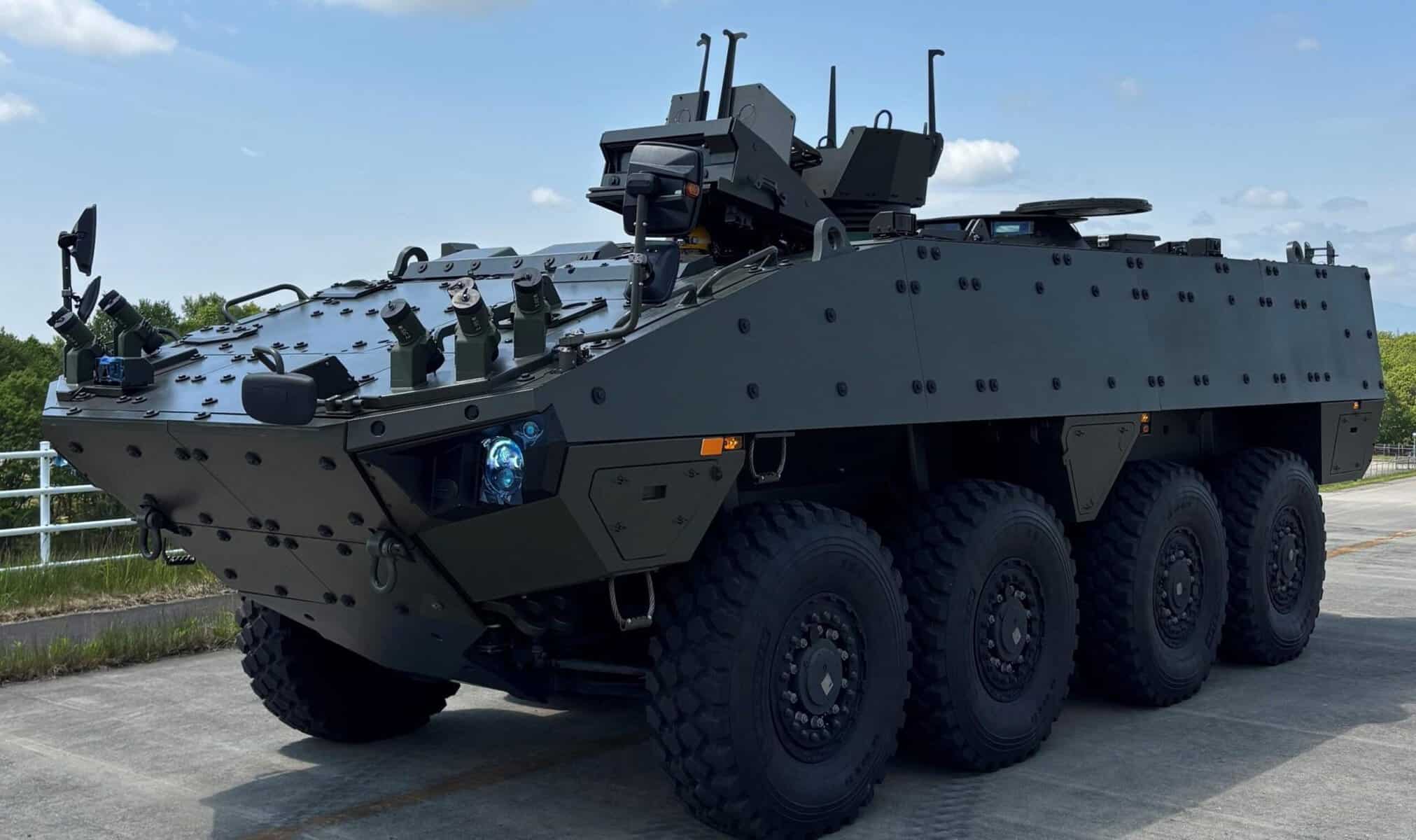
Under the approved changes, all defense equipment is classified into “weapons” and “non-weapons” categories based on whether it has lethal capabilities. The export of non-lethal equipment, such as radar warning and control systems, is not restricted.
The export of lethal weapons is now permitted but limited to countries that have signed agreements with Japan on the protection of classified defense technology. Japan currently has such agreements with 17 countries: the United States, India, Germany, Indonesia, Sweden, Mongolia, the United Kingdom, the Philippines, Malaysia, Vietnam, Singapore, Bangladesh, Australia, France, Italy, Thailand, and the UAE.
Exports to countries where hostilities are ongoing are prohibited, but exceptions may be made under “special circumstances.” This theoretically opens the possibility of supplying Japanese weapons to Ukraine, as decisions are made on political grounds.
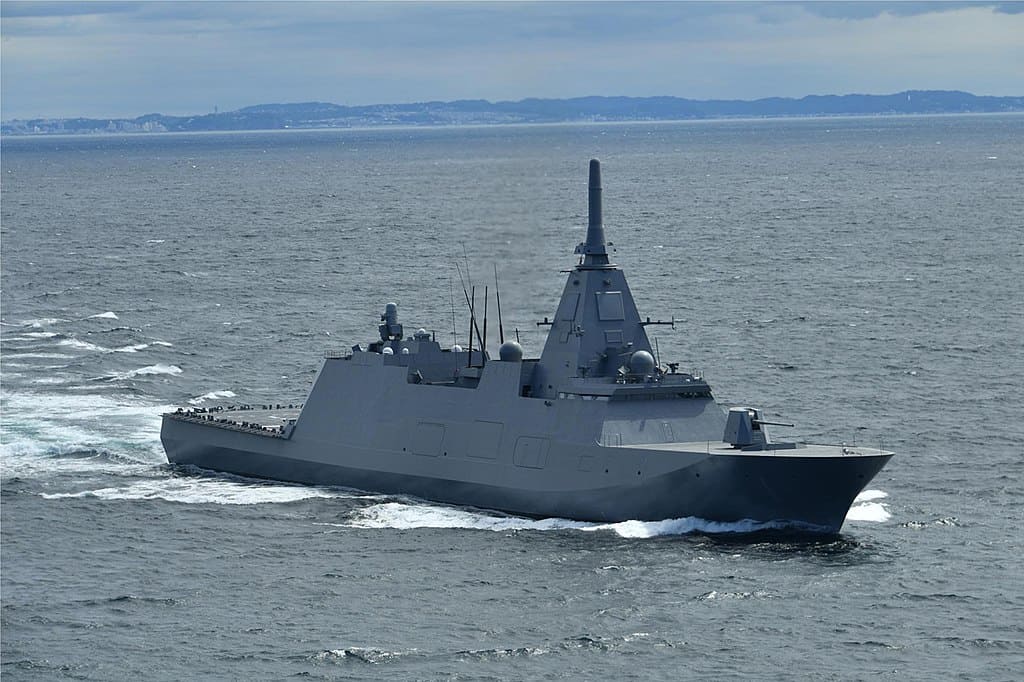
Kihara noted that, in addition to requests for new equipment exports, including the construction of Mogami frigates (NewFFM) for Australia, there is also demand for decommissioned equipment.
“In fact, there has already been a request from those who want to return a decommissioned destroyer to service, which is still quite serviceable,” he added.
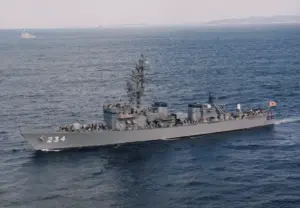
Although the country that made the request was not named, the Philippines is likely interested in the used destroyer. In July 2025, Japan and the Philippines agreed on the export of six used Abukuma-class escort destroyers to deter China’s growing military activity in the South China Sea.
Abukuma-class destroyers are escort ships designed to protect coastal waters and sea lines of communication. A total of six were built and entered service between 1989 and 1993. They are being phased out as part of Japan’s naval modernization.
The ships are about 109 meters long and have a displacement of about 2,000 tonnes. The crew is about 120 personnel.
Armament includes torpedoes, Type 90 anti-ship missiles, 76 mm OTO Melara guns, and Phalanx air defense systems.

