

Russian deserters are seeking imprisonment rather than returning to the front line to continue fighting.
This is reported in an article by the Russian publication “Mediazona”.
The article details the practice whereby Russian servicemen deliberately seek criminal prosecution to avoid being sent back to the war against Ukraine.
A key factor is Vladimir Putin’s Decree No. 647 on “partial” mobilization, signed in September 2022, which left only three grounds for discharge from service: reaching the age of 65, health conditions, or imprisonment following a court sentence.
Because of this, some Russian soldiers began to view imprisonment as the only realistic way to leave the army, especially after participating in assault operations with heavy casualties and, according to them, brutal treatment by the command.
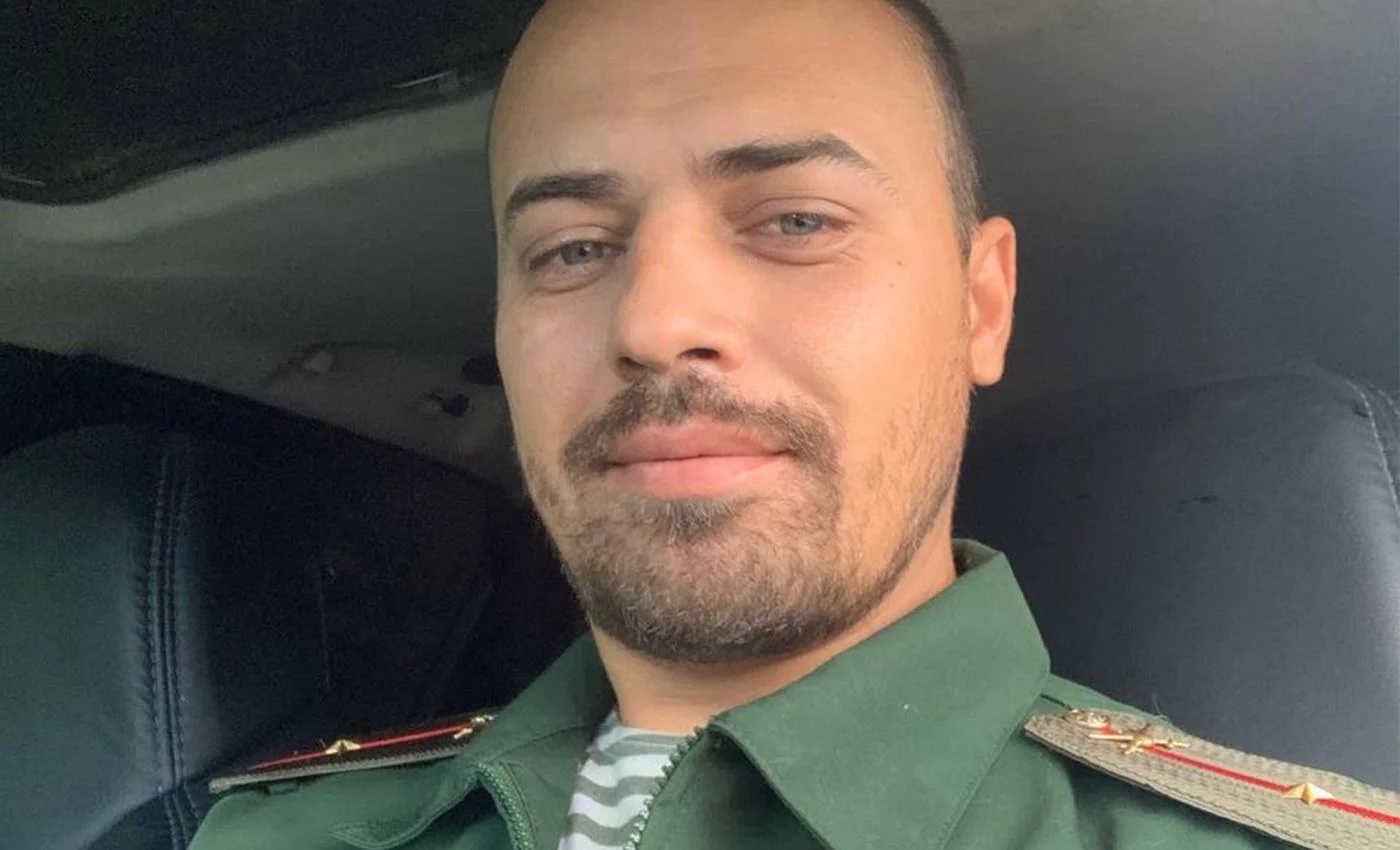
One such case cited is that of Second Lieutenant Anton Putyatov, who, according to the publication, after serving on the front lines, sustaining injuries, and experiencing conflicts with command, repeatedly attempted to bring a case against himself for desertion.
Despite turning himself in, appealing to investigators, and being willing to serve an actual prison term, instead of being sent to a pretrial detention center, he was twice returned to military units or held at collection points for soldiers suspected of desertion.
According to reports, such temporary camps for these soldiers operate in various regions of Russia, where detainees can be held without a clearly defined legal status and subsequently sent back to the front lines.
Lawyers interviewed by the publication assert that even the opening of criminal proceedings does not guarantee a court hearing, as the investigation may be suspended if the soldier is sent back on combat missions.
According to lawyers, under current conditions, the shortage of personnel in the Russian Armed Forces’ assault units is forcing the command to send back to the front even those who openly refuse to fight and are willing to face criminal punishment.
This practice may indicate a deepening personnel crisis in the Russian army amid high casualties and the need to constantly replenish assault units for offensive operations against Ukraine.
In fact, the situation has reached a paradox where, for some Russian soldiers, an actual prison sentence is viewed as a safer alternative to returning to the battlefield.
Russia recently decided to introduce prosecutorial oversight of mobilization and military registration.


