

The UK’s armed forces cannot significantly boost their defense capabilities, as a funding shortfall will prevent the government from buying new weapons until 2030.
General Sir Richard Barrons, former head of the Joint Forces Command, stated this, as reported by The Times.
The government has not set aside budget funds to acquire modern systems such as kamikaze drones, loitering munitions, and AI-powered military technologies.
A critical lack of investment is draining the country’s industrial base and forcing high-tech defense companies to move operations abroad. According to the general, the British Army is barely able to cover the costs of traditional platforms – tanks, helicopters, and artillery.
This situation directly contradicts the ‘20-40-40’ strategic concept promoted by the Chief of the General Staff, General Sir Roly Walker. The formula envisions that only 20% of the army’s future combat capability will consist of traditional platforms, while the remaining 80% will be made up of low-cost expendable systems and autonomous drones.
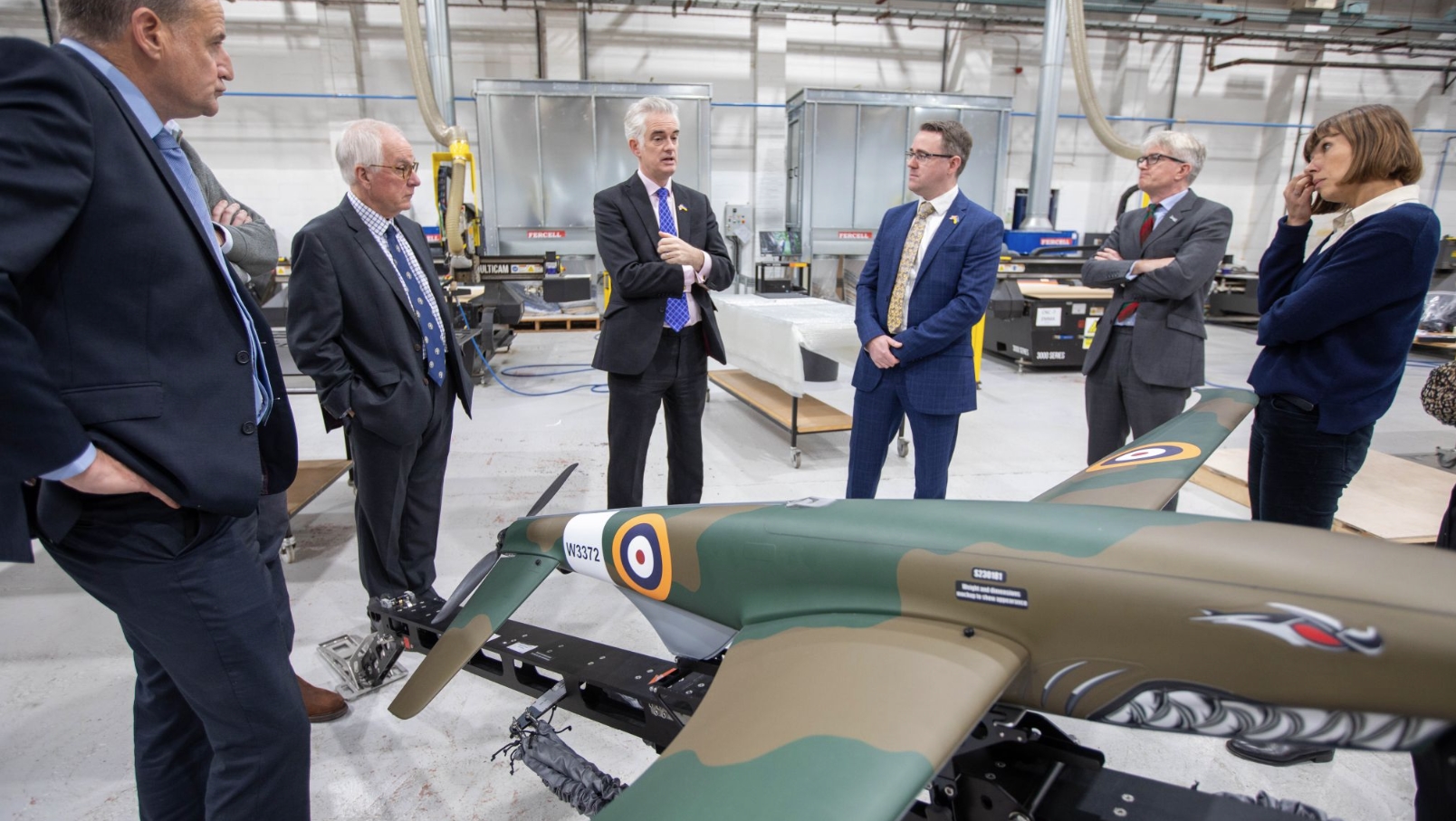
At present, the UK cannot afford to fund this larger share of modern weapons.
Richard Barrons stressed that the Royal Navy and the Royal Air Force are also short of resources. They do not have enough funding to fully restore their operational effectiveness.
Government inaction has led successful British developers to ‘follow the money’ to Germany, Poland, and the United States, where defense contracts are more stable and substantial.
Against the backdrop of the UK’s crisis, the general highlighted Germany’s progress, noting its significant increase in defense spending. By the end of the decade, Berlin is expected to spend around £165 billion on its military – exceeding the combined defense budgets of the United Kingdom and France.

Although Prime Minister Keir Starmer has promised to reach NATO’s 2.5% of GDP defense spending target by 2035, he has still not presented a clear timeline for how this plan will be implemented.
Another key issue is the publication and adoption of the Defence Investment Plan (DIP). This document is intended to give companies confidence in the future through long-term procurement commitments from the Ministry of Defence. However, despite repeated promises, the government has still taken no concrete steps.
This has also caused some frustration among countries involved in joint programs with the UK. For example, Japan has repeatedly criticized the British government for delays in the development of the GCAP sixth-generation fighter program, in which the UK has not invested the previously promised funds.
In addition, Italian Defence Minister Guido Crosetto criticized the UK for being unwilling to share technology within the GCAP (Global Combat Air Programme), the joint project to develop a sixth-generation fighter jet.


