
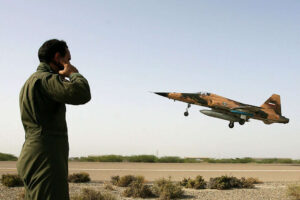
In the early days of the war, an Iranian Air Force F-5 fighter jet struck Camp Buehring in Kuwait – reportedly the first time in many years that a hostile aircraft has hit a U.S. military base.
NBC reported that although air defense systems protected the base, the Iranian pilot managed to evade them and drop a bomb.
The conservative think tank American Enterprise Institute (AEI) says the damage to U.S. bases and equipment in the Persian Gulf was far more extensive than the Pentagon has publicly acknowledged, with repair costs likely reaching billions of dollars.
AEI estimates that Iran struck more than 100 targets across 11 bases in seven countries: Qatar, the United Arab Emirates, Bahrain, Jordan, Kuwait, Iraq, and Saudi Arabia.
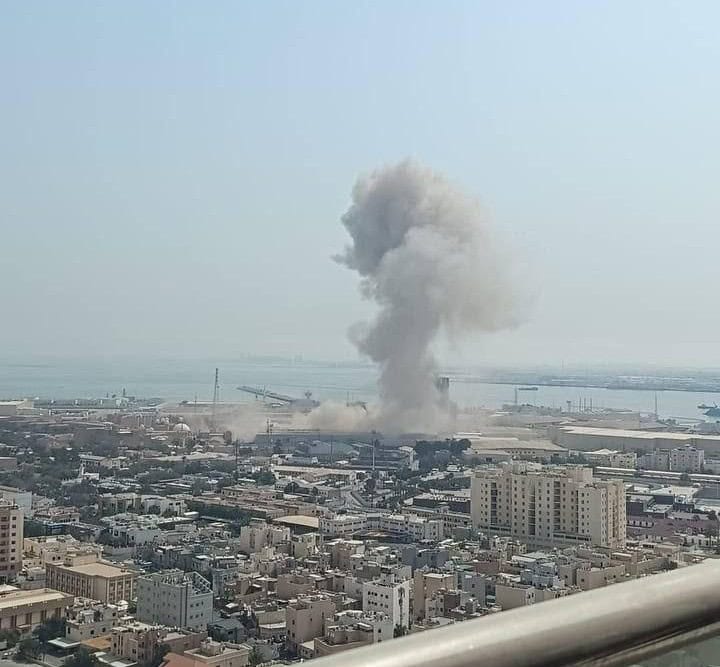
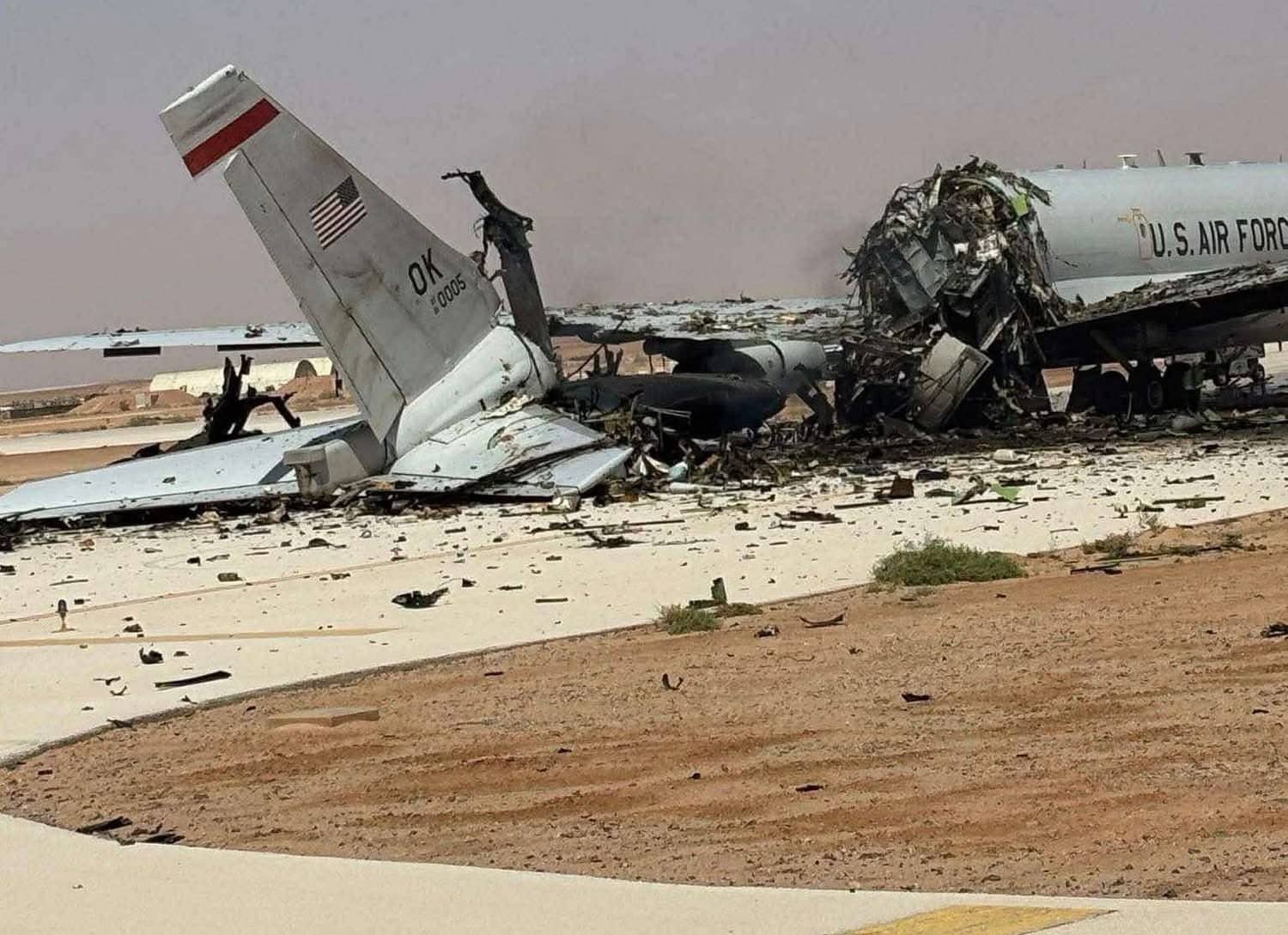
The strikes reportedly caused heavy damage to warehouses, command centers, aircraft hangars, satellite communications systems, runways, advanced radar systems, and dozens of aircraft. Analysts estimate that repairing the infrastructure alone could cost over $5 billion.
Three U.S. officials familiar with the situation described the damage to American bases in the Middle East as extensive. According to them, the U.S. Navy headquarters building in Bahrain—the central hub for fleet operations in the region—was seriously damaged. Other parts of the base in Bahrain were also hit, though they are likely repairable.
During the war, 13 U.S. service members were killed and up to 400 were wounded, although more than 90% have already returned to duty.
The Pentagon has not publicly disclosed the full extent of the damage and, according to officials, has not shared detailed assessments even with Congress.
“We do not discuss battle damage assessments for operational security reasons. Our forces remain fully capable, and we continue to carry out the mission with the same readiness and combat effectiveness,” a Pentagon spokesperson said.
According to an analysis by the Center for Strategic and International Studies (CSIS), over seven weeks of war, the U.S. military used at least 45% of its stockpile of precision-guided missiles. This included at least half of its THAAD interceptor missiles, designed to counter ballistic threats, and nearly 50% of its Patriot air defense interceptors.
In addition, about 30% of Tomahawk cruise missiles were expended, along with more than 20% of long-range air-to-surface missiles and roughly 20% of SM-3 and SM-6 interceptors. Estimates suggest it could take the United States 4–5 years to replenish these stockpiles.

