
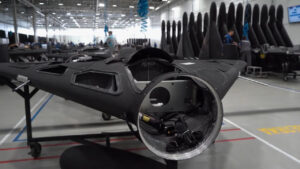
In downed Shahed/Geran-2 strike drones, which the Russian army used to attack Ukrainian cities, experts have for the first time discovered a new component—the Transit Brd activation unit.
This was reported to Militarnyi by the President’s Representative on Sanctions Policy, Vladyslav Vlasiuk.
Over the past week, the enemy attacked Odesa, Dnipro, Vinnytsia, and Ternopil, making extensive use of Shahed-type drones, and additionally deployed V2U-type drones against Kharkiv.
These drones are equipped with newer foreign parts manufactured in 2025.
In addition to the new unit, microchips and components manufactured in Germany, Japan, Switzerland, and the United States were again found in the drones. Experts also identified parts manufactured by companies from Taiwan and the United Kingdom.

Ukrainian representatives have already shared all information regarding the identified components with international partners. This data will help adjust sanctions policy and close identified loopholes.
According to preliminary estimates by the Commissioner, sanctions on drone electronics have cost Russia at least $7 billion in losses this year. A list of critical equipment for Russian oil refineries and oil pumping stations is currently being prepared. Restricting the supply of such technologies is intended to undermine the enemy’s ability to finance the war using energy resources.
“Our approach is simple: to cut off access to technologies used in the war and, at the same time, reduce the resources on which this war is being waged,” Vlasiuk said.
As a reminder, Russia has launched a large-scale aviation logistics scheme to circumvent sanctions, using civilian cargo transport as a means of supplying critical components to the military-industrial complex.
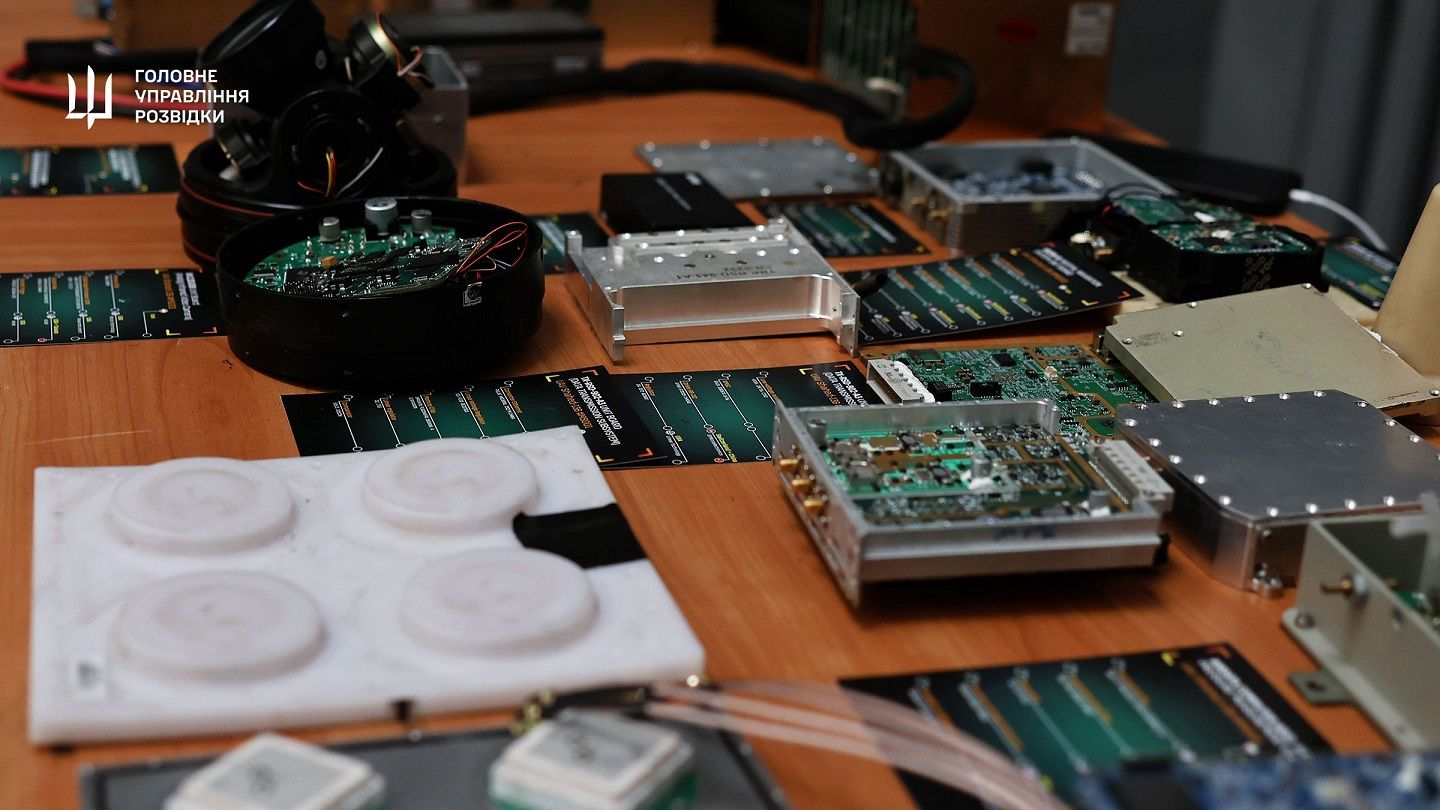
This refers to the so-called ‘shadow air bridge’—a network of regular cargo flights. Through it, electronics, equipment, and other dual-use goods are supplied to Russia, allowing for the circumvention of direct export restrictions.
This format enables the rapid delivery of high-tech products. At the same time, these operations are more difficult to track than maritime shipments.


