
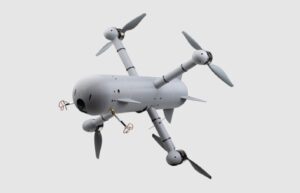
The Ukrainian Nexis interceptor drone has begun shooting down Russian Shahed-136 (Geran) drones.
WinFly told Militarnyi that the first combat shootdown occurred at a speed of over 250 km/h with the engine operating at 84% thrust.
Objective monitoring results confirmed the complete destruction of the target in flight.
Previously, the company’s anti-aircraft drones had been actively shooting down Russian Lancet and Molniya drones.
“Therefore, the transition to countering high-speed targets was only a matter of time,” the company noted.
According to the engineering team, the journey from concept to successful interception took nearly a year.
“The product concept is entirely original: no solution was copied; every component is carefully designed and balanced,” the company stated.
An important advantage of this system over its counterparts is its endurance — Nexis provides up to 25 minutes of flight time.
“According to estimates, the price of the base version of the interceptor will be around €1,100,” the company reported.
The current version is manually piloted, but WinFly has been working on autonomous capabilities for the interceptor for some time.
“We are already integrated with radars, the detection system is under development, and autonomous interception will also be implemented in the future. Our vision for the coming year is fully autonomous interceptors that can be launched and controlled from anywhere in the world,” said company founder Taras.
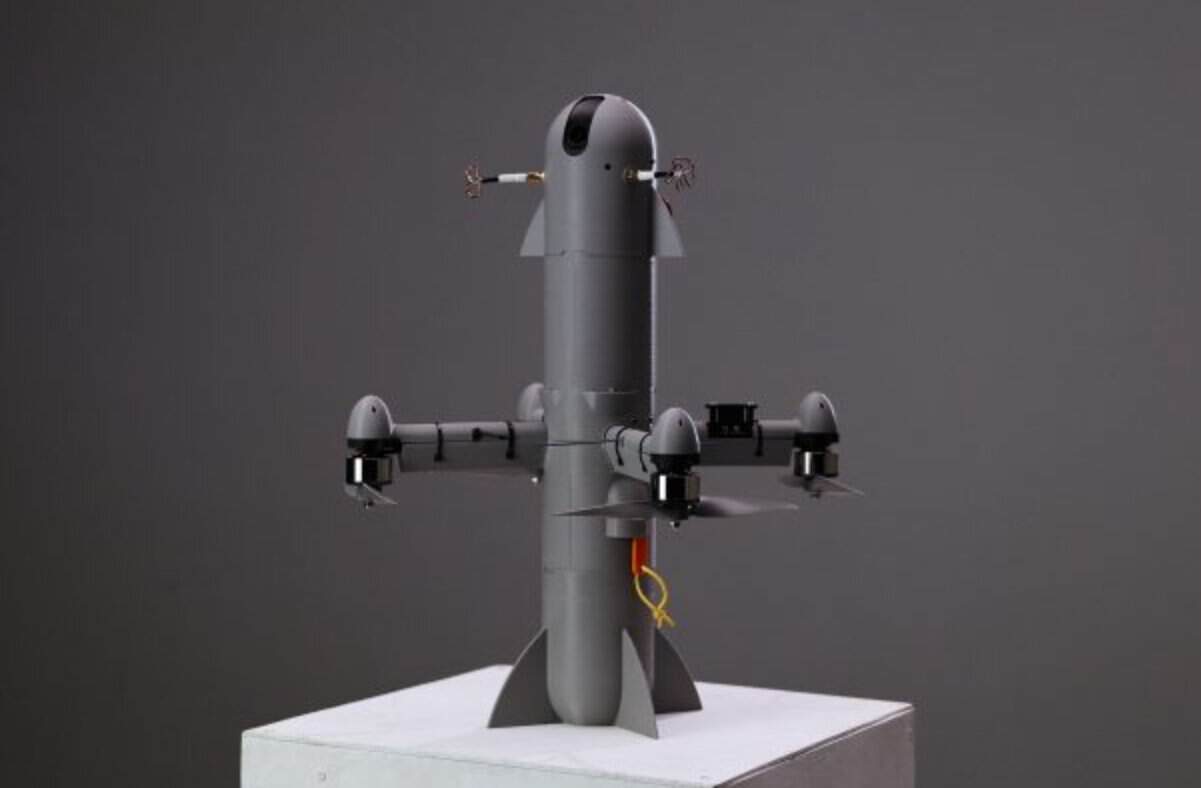
The WinFly Nexis is capable of reaching a maximum speed of 270 km/h, allowing it to catch up to the Shahed-136 in cruise mode.
Maximum operating altitude is 5,000 meters, range is up to 30 km. The drone is ready for deployment 3 minutes after deployment.
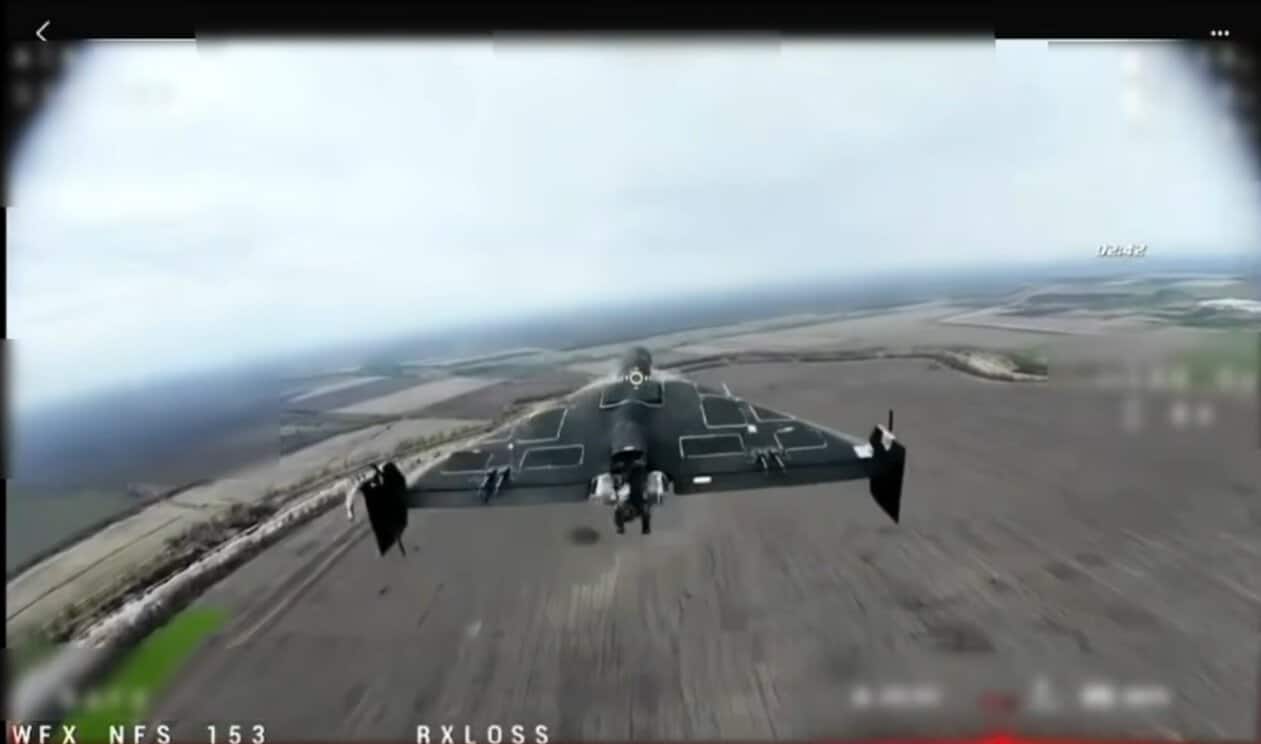
It operates both day and night. The takeoff weight is 3.5 kg, and the payload weight is up to 600 g.
The system includes the drone itself and a universal ground control station, also manufactured by WinFly.


