
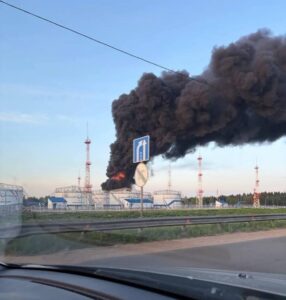
The Ukrainian attack on Moscow and the Moscow region on May 17, 2026, was the most successful strike on the area since the start of the Russia-Ukraine war.
However, Ukrainian drones had still managed to penetrate defenses on isolated occasions earlier, including in early May 2026, after a significant buildup of air defenses in the Moscow region in 2025.
Air defense system of Moscow
As of spring 2026, Moscow is protected by two dense rings of air defense systems, in addition to several positions within the city itself. According to OSINT analysts, around 130 air defense positions are deployed in and around the capital.
The second ring of air defense positions was established in 2025. Between May and September 2025, Russian forces built approximately 43 specialized air defense towers around Moscow.
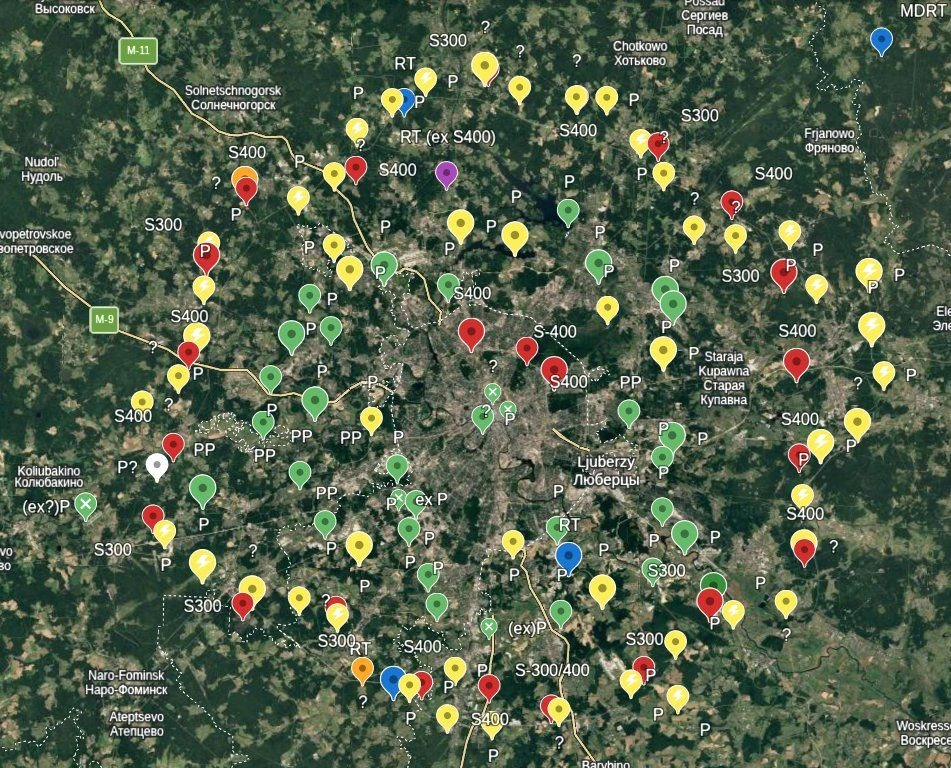
The backbone of Moscow’s air defenses consists of around 100 Pantsir-S1 air defense systems and a smaller number of Tor systems, designed to intercept Ukrainian drones and cruise missiles. These also include around two dozen S-400 batteries used to intercept cruise and ballistic missiles.
Not all of the constructed positions can be simultaneously filled by air defense systems, but as of April 2026 OSINT analysts had verified at least 89 Pantsir-S1 systems within a 50 km radius of Moscow.
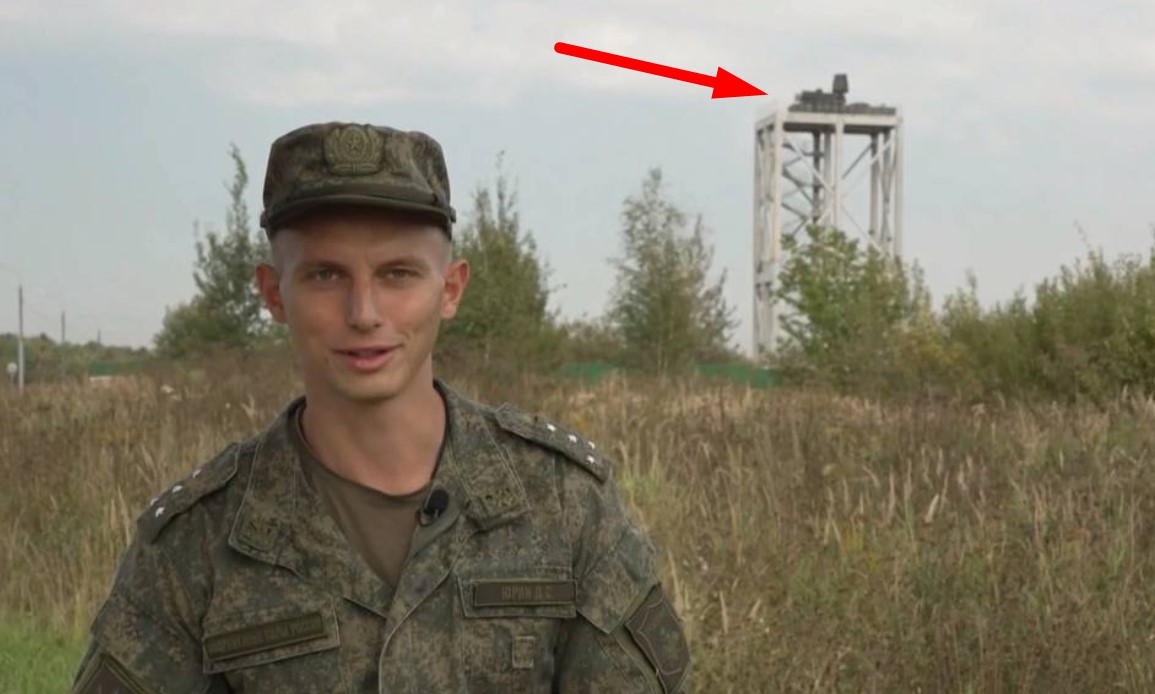
Russian forces use two main types of air defense positions — earth embankments with concrete access pads and metal towers where systems are lifted into position by crane.
These structures are intended to host Pantsir-S1 systems used against Ukrainian drones and missiles.
Raising systems above ground level increases the radar horizon and improves detection and engagement of low-altitude small targets.
In addition, air defense assets are deployed throughout the wider Moscow region to protect defense industry facilities, infrastructure, and military sites. As of May 2026, these do not form a continuous defensive belt but create multiple “engagement zones” for Ukrainian UAVs.
The role of the Russian Aerospace Forces and Army aviation should also be noted, as they intercept part of incoming drones using fighter aircraft and helicopters, alongside increased air defense readiness ahead of the May 9 parade in Moscow.
The May 17 attack
During the attack on Moscow, Ukrainian forces confirmed strikes on several targets, including the Angstrem plant in Zelenograd in the Moscow region. The facility is a key part of Russia’s defense industry, producing microelectronics, radio and optical systems, and robotics for military use.
The Solnechnogorsk oil loading station in the Durikino village, about 40-45 km from Moscow, was also hit, as well as the Moscow oil refinery in the Kapotnya district of the Russian capital.
In addition, the Security Service of Ukraine stated it struck the Volodarskoye oil pumping station in the settlement of Konstantinovo, approximately 22 km from the city outskirts. However, no publicly available photo or video evidence is currently available to verify the strike.
According to the 1st Separate Center for Unmanned Systems of the Armed Forces of Ukraine, more than 120 drones were used in the attack on Moscow, which, “at a single moment, challenged the perception of an “impregnable” enemy capital.”
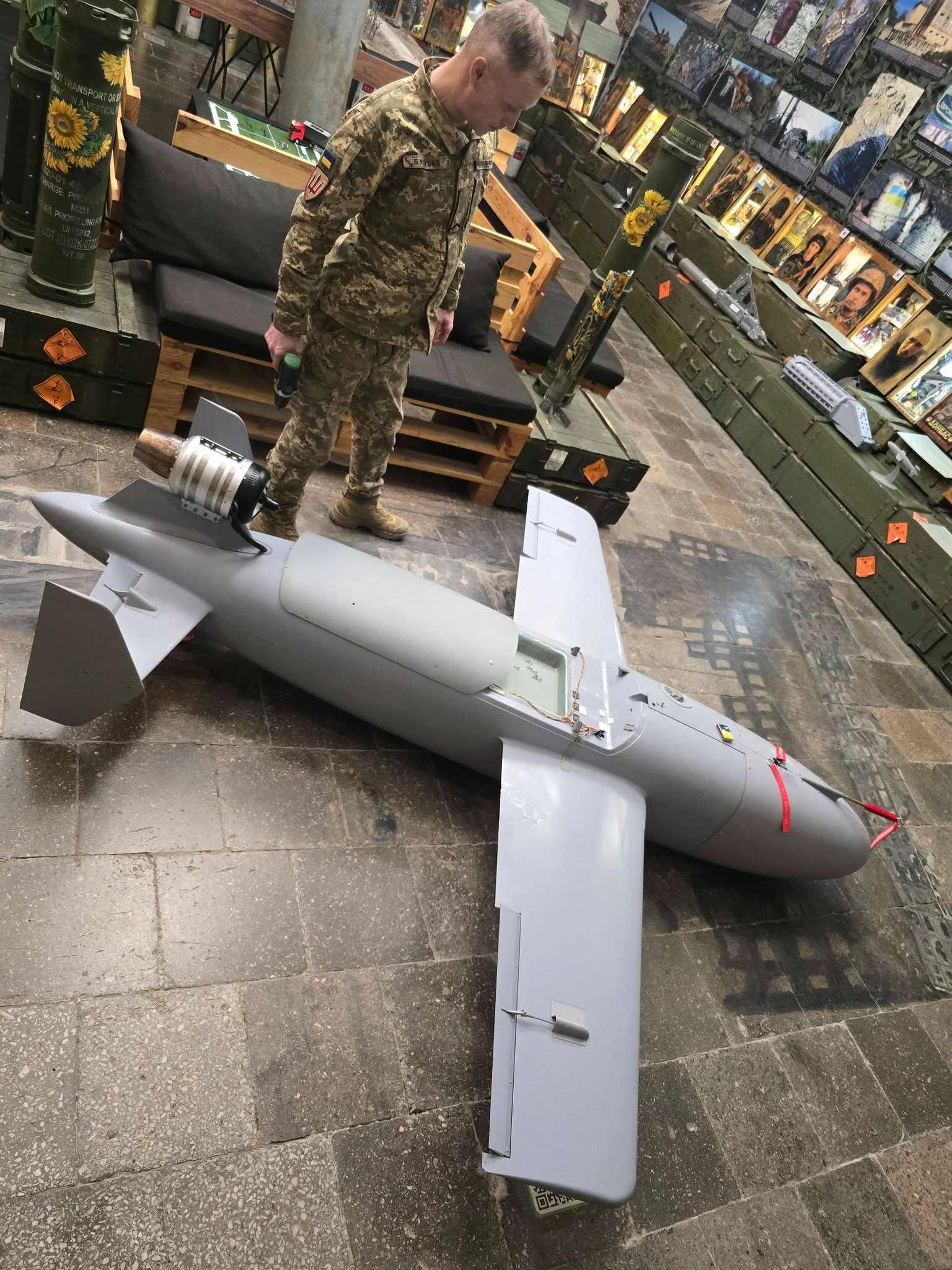
According to the General Staff, Ukrainian-designed drones were used for strikes in the Moscow region, including the FP-1 developed by Fire Point, RS-1 Bars jet-powered UAVs, and a previously unknown BARS-SM GLADIATOR drone.
Analysis of known strike locations
Of the three confirmed successful strikes, only the Moscow oil refinery is located within Moscow itself, behind two air defense rings, approximately 7-8 km from the nearest known Pantsir position.
The Angstrem plant lies between the first and second air defense rings, a little more than 2 km from the nearest known air defense position. The farthest target is the Solnechnogorsk oil loading station, located near the outer perimeter of the second ring, about 3 km from an air defense position.
At the same time, OSINT sources identified ten additional recorded cases of debris impacts, drone passages, or strikes on high-rise buildings within the air defense perimeter. Of these, six were located between the first and second rings, and four inside the first ring.
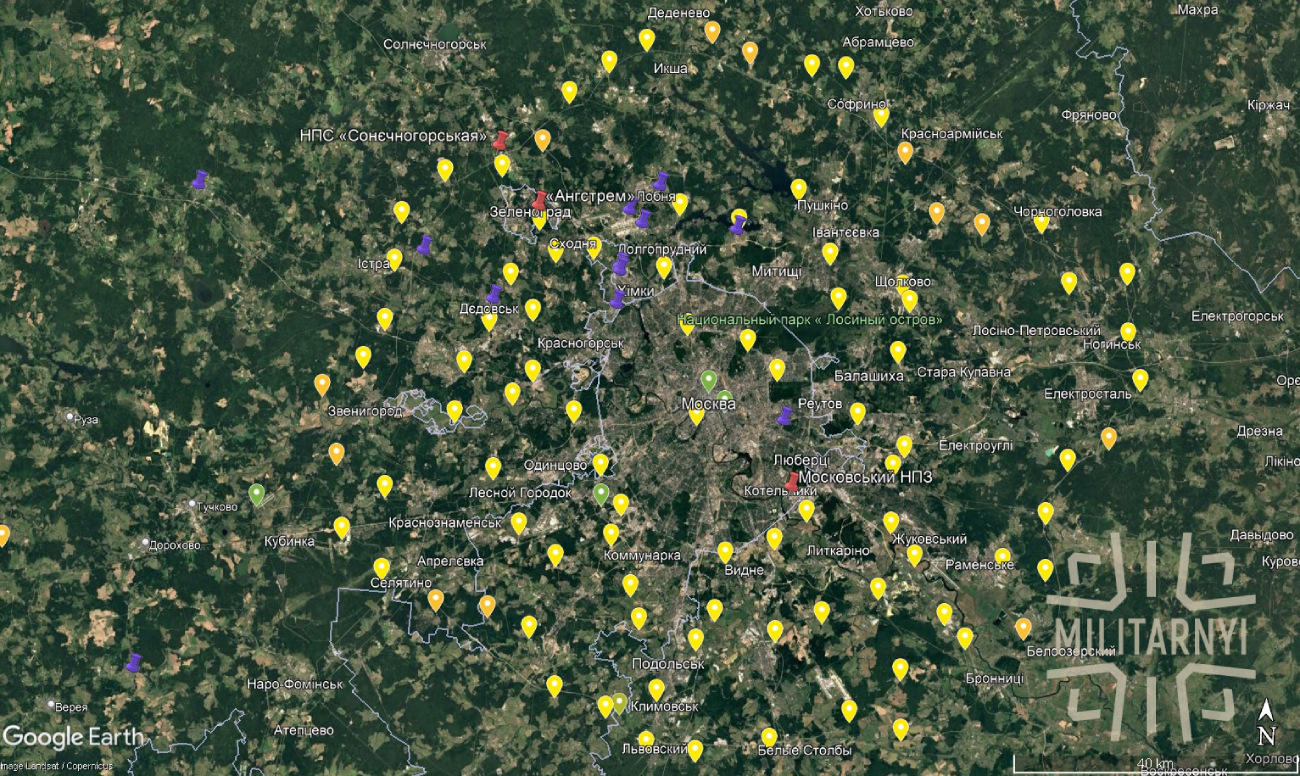
This indicates Ukrainian drones managed to break through Russian defensive layers in significant numbers.
Conclusion
The May 17, 2026 attack on Moscow shows that even a dense air defense network does not guarantee full protection against even a relatively small number of strike drones. At the same time, the decisive factor is not system density but intelligence for identifying blind spots, route planning, and appropriate tactics.


